





Ateles Fusciceps
ateles fusciceps
The Ateles Fusciceps, also known as the black-headed spider monkey, is a playful and acrobatic primate that loves to swing through the trees! With its long limbs and prehensile tail, it can easily navigate the rainforest canopy.
Habitat: Tropical rainforests of Central and South America
The Ateles Fusciceps has a dark brown to black body with a distinctive dark cap on its head. Its long, slender limbs and incredibly long, powerful prehensile tail make it stand out visually from other monkeys.
Category
MammalsRarity
Common
Danger
0/5 · No known danger
Snaps
Be the first to snap!
Their long limbs and tail make them look like a giant spider when stretched out!
These clever monkeys live in groups that split into smaller feeding parties each day.
They are important 'gardeners of the forest,' spreading seeds far and wide!
They prefer ripe fruit so much they will smell, squeeze, and even lick it to check!
Ateles Fusciceps has a powerful prehensile tail that helps them grasp branches like a crucial fifth limb for balance and support.
Ateles Fusciceps can swing swiftly through the canopy using their long, hook-like hands and strong arms, enabling agile movement.
Ateles Fusciceps can leap great distances between trees thanks to their flexible joints and powerful legs, avoiding ground predators.
Mostly eats delicious ripe fruits, with some leaves, flowers, and tiny insects.
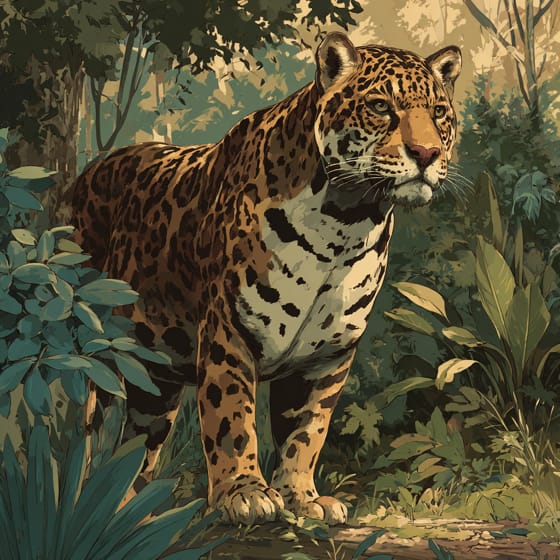
Panthera onca
A primary predator in their jungle habitat.
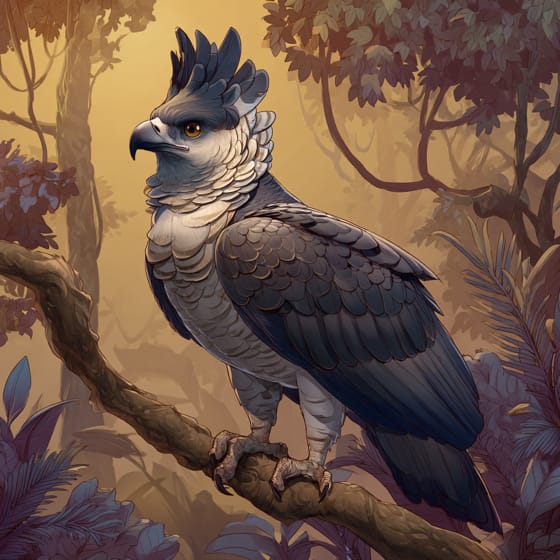
Harpia harpyja
A powerful bird of prey in the canopy.
Ficus insipida
Feeds heavily on the fruits of this common tree.
Brosimum alicastrum
Consumes the leaves and fruits from this tree.
Ceiba pentandra
Relies on large canopy trees for shelter and food.
Furry describes animals possessing a dense covering of soft hair or fur.
Social animals live in organized groups, cooperating for survival benefits such as foraging, defense, and raising offspring.
Arboreal animals live primarily in trees, utilizing them for shelter, food, and protection from predators.
Diurnal animals are primarily active during daylight hours, typically resting or sleeping at night.

Endangered status indicates a species is at a very high risk of extinction in the wild in the near future.
Danger
0/5 · No known danger
No special safety notes yet.
The easiest way to identify Ateles Fusciceps is to use the Snappit nature identifier app.
40-55 cm
5-9 kg
20-25 years
35 km/h
Mostly eats delicious ripe fruits, with some leaves, flowers, and tiny insects.
Tropical rainforests of Central and South America
Foraging
Zoom in to split clusters and explore where this object has been snapped.
Recent snaps will appear here as new observations are added.
Take the discovery with you
Snap it with Snappit to identify it, learn what makes it special, and add the discovery to your collection.





.jpg&width=800)


.JPG&width=800)



.jpg&width=800)
