





Eurasian Pygmy Shrew
Sorex minutus
The Eurasian Pygmy Shrew is a tiny, quick mammal that scurries around looking for insects to eat. They are so small that they can fit in your hand and are very good at hiding!
Habitat: Grasslands
The Eurasian Pygmy Shrew is a tiny mammal, often no bigger than a thumb, with velvety brownish-grey fur on its back and a lighter, whitish underside. It has a long, pointed snout, small beady eyes, and tiny, almost hidden ears, making its head look very streamlined.
Category
MammalsRarity
Common
Danger
1/5 · Very low
Snaps
Be the first to snap!
Its heart beats an astonishing 1,200 times a minute!
Pygmy shrews can move their jaws up to 10-12 times per second while eating!
They must eat every few hours or they can starve to death.
This tiny shrew can eat its own weight in food every single day!
Eurasian Pygmy Shrew has a super-fast metabolism that makes them need to eat almost constantly to survive.
Eurasian Pygmy Shrew can find hidden food using its highly sensitive nose and whiskers, even in complete darkness.
Eurasian Pygmy Shrew can squeeze through incredibly small gaps and tunnels because of its flexible, tiny body.
These tiny hunters mostly eat small insects and other invertebrates they find on the ground.

Tyto alba
A common owl predator.
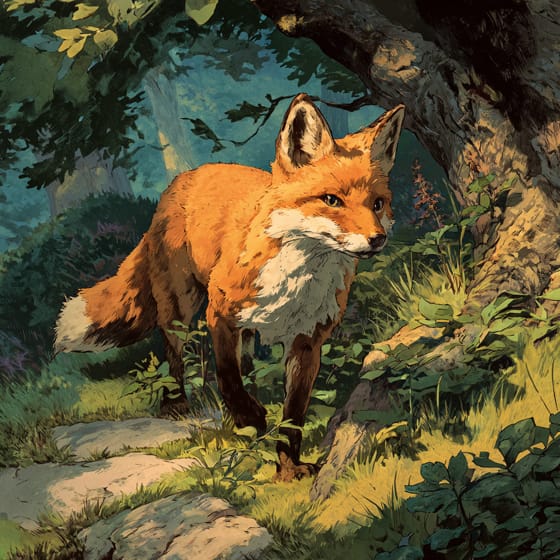
Vulpes vulpes
Hunted by this opportunistic predator.
Mustela nivalis
A small mammal predator.

Carabus nemoralis
Actively preys on these beetles.

Araneus diadematus
Often catches these spiders.
Furry describes animals possessing a dense covering of soft hair or fur.
Solitary animals live alone for most of their lives, only interacting with others for mating or parental care.
Grassland habitats are terrestrial biomes dominated by grasses and herbaceous plants, supporting a variety of grazing animals.
This trait identifies organisms whose diet primarily consists of insects and other small invertebrates.

This trait identifies organisms whose diet consists entirely or primarily of animal tissue.

Pertaining to species that are significantly smaller than typical or average for their kind.

This trait identifies organisms that exhibit exceptional swiftness in movement for hunting, escape, or travel.

Nocturnal animals are primarily active during the nighttime hours, typically resting or sleeping during the day.
No aliases listed yet.
Danger
1/5 · Very low
If you see a shrew, just watch it from a distance and don't try to touch it.
The easiest way to identify Eurasian Pygmy Shrew is to use the Snappit nature identifier app.
4-6 cm
0.002-0.007 kg
1-2 years
8 km/h
These tiny hunters mostly eat small insects and other invertebrates they find on the ground.
Grasslands
Foraging
Zoom in to split clusters and explore where this object has been snapped.
Recent snaps will appear here as new observations are added.
Take the discovery with you
Snap it with Snappit to identify it, learn what makes it special, and add the discovery to your collection.




.jpg&width=800)



.JPG&width=800)


.jpg&width=800)
