





Japanese Macaque
Macaca fuscata
Japanese Macaques, also known as snow monkeys, are playful and curious animals. They live in groups and love to soak in hot springs during the cold winter months.
Habitat: Mountain regions
The Japanese Macaque has thick, reddish-brown to grayish fur, which provides excellent insulation against cold. It is easily recognized by its distinctive bright red face and rump, especially prominent in adults. Its strong, stocky build is well-suited for its often snowy, mountainous habitat.
Category
MammalsRarity
Common
Danger
3/5 · Moderate
Snaps
Be the first to snap!
Japanese Macaques are the world's most northerly living non-human primates!
Some groups of macaques develop unique 'accents' or dialects in their calls!
These clever monkeys are known to make and play with snowballs for fun!
They recognize themselves in a mirror, showing advanced self-awareness!
Japanese Macaque can warm up in natural hot springs, which helps them survive freezing winter temperatures.
Japanese Macaque has very thick fur that helps them stay warm and insulated even in deep snow and cold weather.
Japanese Macaque can wash their food in water, like potatoes, which helps them remove dirt and salt.
Japanese Macaque can learn new behaviors from each other, which then spreads through their group.
Omnivores that eat leaves, fruits, insects, and sometimes small animals depending on availability.

Aquila chrysaetos
Young macaques can be preyed upon by this large raptor.
Ursus thibetanus
Cubs and sometimes adults can be prey for these forest bears.

Quercus acutissima
They frequently forage for the acorns and leaves of this tree.
Prunus serrulata
Macaques consume the fruits and leaves of this common tree.
Furry describes animals possessing a dense covering of soft hair or fur.
Social animals live in organized groups, cooperating for survival benefits such as foraging, defense, and raising offspring.
This trait identifies organisms whose diet includes both plant and animal matter.
This trait describes organisms that manipulate external objects to achieve a specific goal.

This habitat trait identifies species found in mountainous regions, characterized by high elevation, steep slopes, and varying climate zones.

Diurnal animals are primarily active during daylight hours, typically resting or sleeping at night.

Endangered status indicates a species is at a very high risk of extinction in the wild in the near future.
Danger
3/5 · Moderate
Always watch from a distance and never try to feed wild monkeys.
The easiest way to identify Japanese Macaque is to use the Snappit nature identifier app.
47-60 cm
8-14 kg
20-30 years
25 km/h
Omnivores that eat leaves, fruits, insects, and sometimes small animals depending on availability.
Mountain regions
Foraging
Zoom in to split clusters and explore where this object has been snapped.
Recent snaps will appear here as new observations are added.
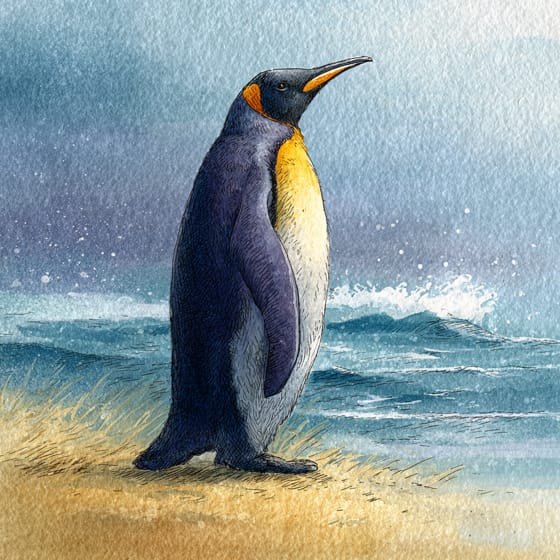
Michigan, US
You might spot King Penguin, Macaroni Penguin, and Polar Bear.
View guide →

Wisconsin, US
You might spot African Elephant, Humboldt Penguin, and Gorilla.
View guide →

Andalusia, ES
You might spot Tiger, African Lion, and Delonix.
View guide →

South Dakota, US
You might spot Japanese Macaque, Tiger, and Snow Leopard.
View guide →

Illinois, US
You might spot African Lion, African Penguin, and Gorilla.
View guide →
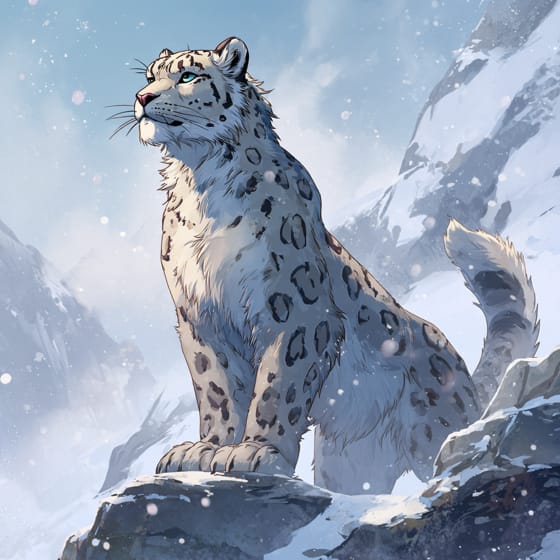
New York, US
You might spot Snow Leopard, Red Panda, and Sea Lion.
View guide →
Take the discovery with you
Snap it with Snappit to identify it, learn what makes it special, and add the discovery to your collection.




.jpg&width=800)


.JPG&width=800)



.jpg&width=800)
