





Augochlorine Sweat Bees
Augochlorini
Augochlorine sweat bees are small, shiny bees that love to collect pollen. They are friendly and help flowers grow by spreading pollen from one bloom to another.
Habitat: Urban areas, gardens
The Augochlorine Sweat Bees are small, often brightly metallic green, blue, or coppery-golden insects. They have clear wings and distinctively large eyes, setting them apart from drabber bee species. Their bodies shimmer in the sunlight.
Category
InsectsRarity
Common
Danger
1/5 · Very low
Snaps
Be the first to snap!
Wow! Many Augochlorine bees are important plant pollinators, helping flowers make seeds!
Wow! Some species live alone, while others share a small nest like roommates!
Wow! Their nests often look like tiny tunnels in the ground or old logs!
Wow! They get their 'sweat bee' name by sometimes sipping your sweat for salt!
Augochlorine Sweat Bees has a metallic exoskeleton that helps them blend into leafy environments or deter predators.
Augochlorine Sweat Bees can carry pollen on special hairs (scopa) on their legs that helps them transport food.
Augochlorine Sweat Bees can dig nests in the ground or soft wood because it provides a safe place for eggs.
These bees primarily drink nectar for energy and collect pollen for their developing young.

Helianthus annuus
helps transfer pollen between sunflower plants.
Rudbeckia hirta
assists in the reproduction of these common wildflowers.
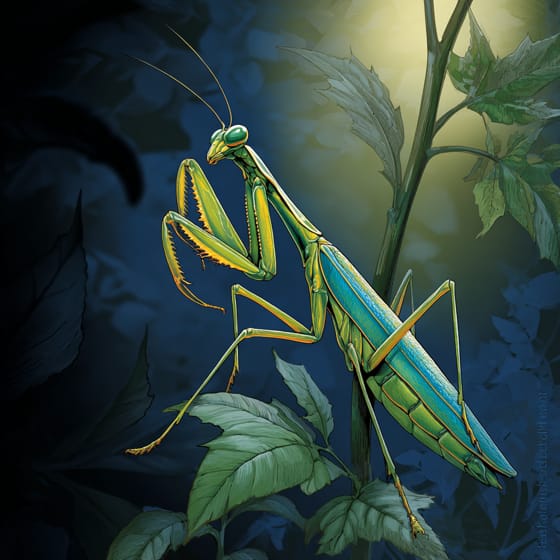
Mantis religiosa
an ambush predator that catches bees on flowers.
Misumena vatia
ambushes bees visiting flowers for nectar.
Furry describes animals possessing a dense covering of soft hair or fur.
Social animals live in organized groups, cooperating for survival benefits such as foraging, defense, and raising offspring.
This trait characterizes organisms whose diet consists entirely or primarily of plant material.
Describes plants that are particularly attractive and beneficial to a wide range of pollinating organisms.

Diurnal animals are primarily active during daylight hours, typically resting or sleeping at night.

Describes a species whose presence and role have a disproportionately large effect on its environment.

This habitat trait indicates species that can coexist with humans in urban and suburban environments, utilizing man-made structures and green spaces.

Describes organisms that transfer pollen, enabling the fertilization and reproduction of plants.
No aliases listed yet.
Danger
1/5 · Very low
Don't worry! These bees are friendly and usually won't sting unless they feel scared.
The easiest way to identify Augochlorine Sweat Bees is to use the Snappit nature identifier app.
10-20 mm
5-10 mm
30-90 days
15 km/h
These bees primarily drink nectar for energy and collect pollen for their developing young.
Urban areas, gardens
Foraging
Zoom in to split clusters and explore where this object has been snapped.
Recent snaps will appear here as new observations are added.
Take the discovery with you
Snap it with Snappit to identify it, learn what makes it special, and add the discovery to your collection.






.jpg&width=800)



