





balsam poplar
Populus balsamifera
The balsam poplar is a tall tree with smooth, greenish bark and big, heart-shaped leaves. It grows near rivers and likes wet places. The tree smells sweet, especially in spring!
Habitat: Wetlands
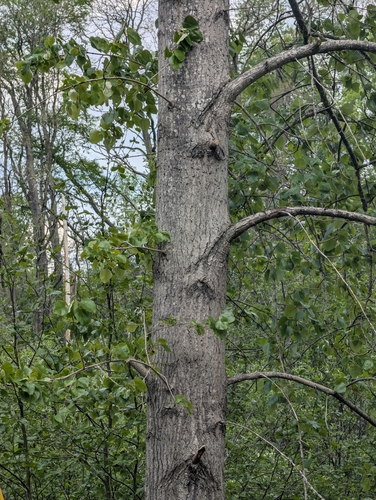
The balsam poplar is a tall tree with a straight trunk and a broadly conical crown. Its dark green, oval-shaped leaves have fine teeth and turn yellow in fall. The reddish-brown, sticky buds are distinctive, exuding a sweet, resinous scent.
Category
PlantsRarity
Common
Danger
1/5 · Very low
Snaps
1
Balsam poplars can grow up to six feet in a single year when young!
Indigenous peoples dried and ate the sweet, inner bark for energy.
Its sticky buds were once used to make a soothing balm for skin!
The wood is light but strong, often used for making crates and pulp.
Balsam poplar has resinous buds that protect new growth from pests and cold, and give off a unique scent.
It can quickly regrow from root sprouts after fire or logging, helping it recover in its habitat.
This tree can survive extremely cold winters, thriving in northern climates where other trees struggle.
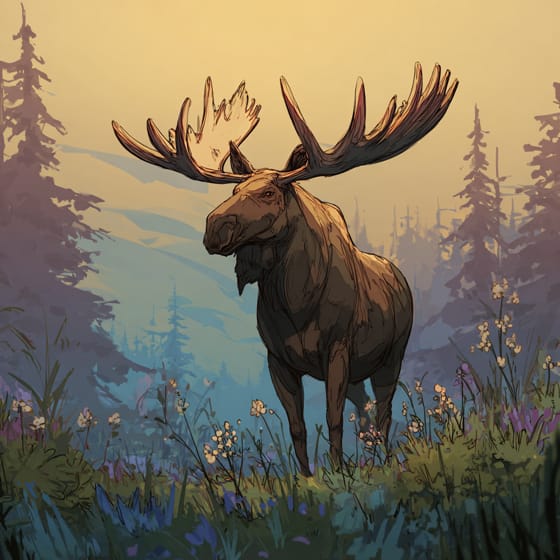
Alces alces
browses on twigs and leaves
Saperda calcarata
larvae tunnel into wood
Castor canadensis
fells trees for food and dam building
Setophaga petechia
nests in its branches
Deciduous plants periodically shed all their leaves, typically during autumn or dry seasons.
Broadleaf trees are angiosperms characterized by flat, wide leaves that are typically shed annually in temperate climates.
Fragrant flowers emit a pleasant aroma, often to attract pollinators or for defense.
Describes plants that are particularly attractive and beneficial to a wide range of pollinating organisms.

Rapid growing plants exhibit accelerated growth rates, quickly increasing in size and biomass within a short period.

Timber refers to wood that has been prepared for use in building and carpentry.

This habitat trait identifies species found in wetlands, which are areas of land saturated with water, either permanently or seasonally, including marshes, swamps, and bogs.
No aliases listed yet.
Danger
1/5 · Very low
Stay away from the tree's branches and roots to avoid tripping.
The easiest way to identify balsam poplar is to use the Snappit nature identifier app.
2000-4000 cm
600-1200 cm
5-15 cm
Spring
Yes
None
Perennial
Zoom in to split clusters and explore where this object has been snapped.
May 27, 2026
Lyme Common Historic DistrictPhoto attribution
(c) Nick Kleinschmidt, some rights reserved (CC BY)
License: CC BY 4.0 ↗
Image may be shown cropped inside the card frame.

Alaska, US
You might spot Cliff Swallow, Pretty Jacob's-Ladder, and Dwarf Fireweed.
View guide →

Alaska, US
You might spot Sandhill Crane, Fireweed, and Prickly Wild Rose.
View guide →

New Hampshire, US
You might spot White-Tailed Deer, Red Trillium, and Monarch.
View guide →
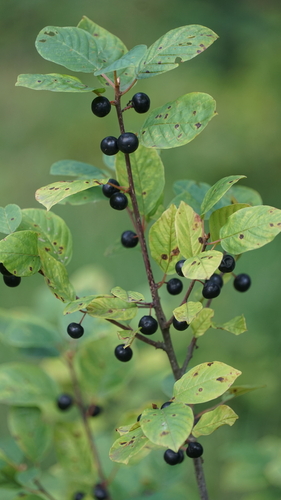
Michigan, US
You might spot Alder Buckthorn, Bulblet Fern, and Western Poison Ivy.
View guide →
Take the discovery with you
Snap it with Snappit to identify it, learn what makes it special, and add the discovery to your collection.








.jpg&width=800)

_001.jpg&width=800)




