





Southern Wild Raisin
viburnum nudum
The Southern Wild Raisin is a small shrub that produces beautiful white flowers! Its tasty berries are loved by many birds and animals!
Habitat: Wetlands, riverbanks, and coastal areas.
The Southern Wild Raisin is a deciduous shrub with glossy, dark green oval leaves that turn vibrant red or purple in autumn. It boasts flat-topped clusters of tiny, creamy white flowers, which later ripen into shiny, dark blue-black berries.
Category
PlantsRarity
Common
Danger
0/5 · No known danger
Snaps
Be the first to snap!
Early settlers used to make delicious jelly from its wild, edible berries!
Its dark berries surprisingly contain a natural sugar called xylitol!
Native American tribes once used the plant's bark to create a reddish-brown dye!
The 'nudum' in its name means 'naked' because its young branches are super smooth!
Southern Wild Raisin creates shiny, dark blue berries that signal a tasty snack for birds, helping spread its seeds far and wide.
Southern Wild Raisin has roots uniquely adapted to thrive in soggy, wet soils, allowing it to grow where many other plants can't survive.
Its leaves burst into brilliant reds and purples in the fall, making it a dazzling sight and attracting attention in the forest.
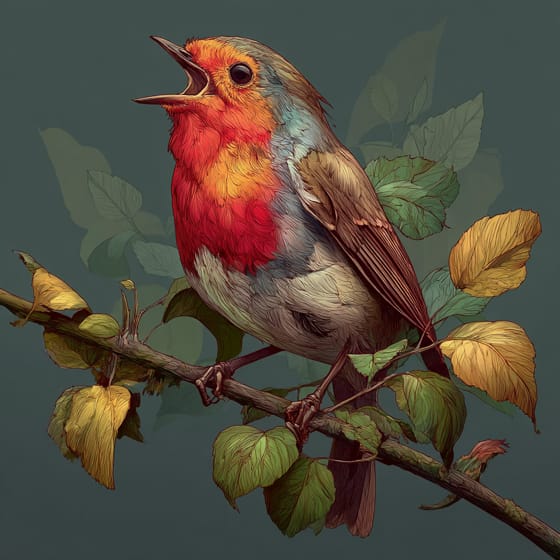
Turdus migratorius
eats its nutritious berries
Bombus impatiens
visits its flowers for nectar

Odocoileus virginianus
browses its leaves and twigs
Ursus americanus
forages for its ripe berries
Colorful describes organisms or objects displaying a wide range of bright and distinct colors.
This trait characterizes organisms whose diet consists entirely or primarily of plant material.
Forest habitats are terrestrial environments dominated by dense tree cover, supporting a high diversity of plant and animal life.
Diurnal animals are primarily active during daylight hours, typically resting or sleeping at night.

Describes organisms that transfer pollen, enabling the fertilization and reproduction of plants.
Danger
0/5 · No known danger
No special safety notes yet.
The easiest way to identify Southern Wild Raisin is to use the Snappit nature identifier app.
150-300 cm
100-250 cm
0.5-1 cm
Spring_to_early_summer
Yes
None
Perennial
Zoom in to split clusters and explore where this object has been snapped.
Recent snaps will appear here as new observations are added.
Take the discovery with you
Snap it with Snappit to identify it, learn what makes it special, and add the discovery to your collection.









.jpg&width=800)



_001.jpg&width=800)




