Common Five-lined Skink
Plestiodon fasciatus
The Common Five-lined Skink is a small, shiny lizard with five bright stripes running down its body. It loves to bask in the sun and can often be seen darting around in gardens and forests.
Habitat: Forests
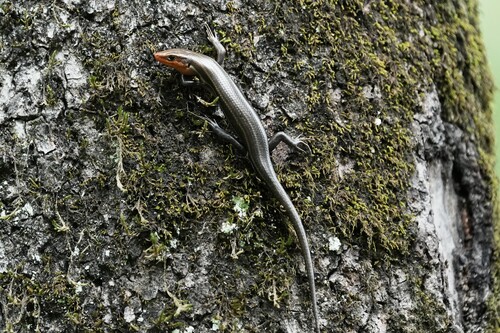
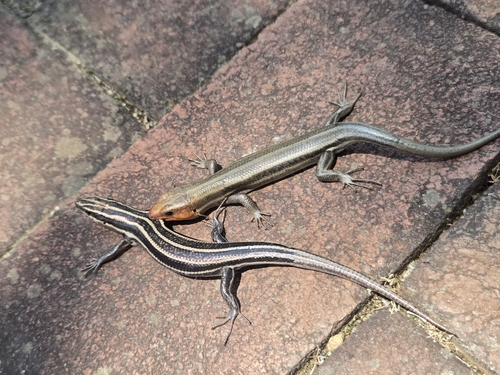
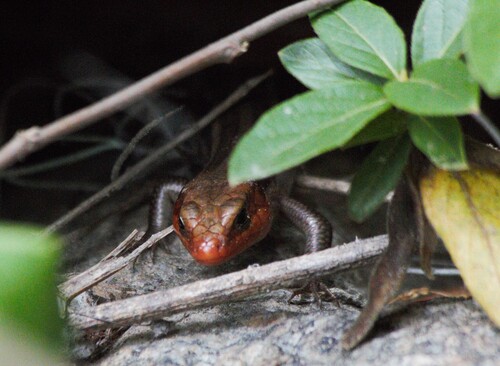
The Common Five-lined Skink has a sleek, shiny body, typically dark brown or gray with five distinct cream or yellow stripes running from head to tail. Juveniles are striking, boasting a brilliant iridescent blue tail that often fades as they mature into adults. Males develop an orange-red head during breeding season.
Category
ReptilesRarity
Common
Danger
1/5 · Very low
Snaps
60
During mating season, male skinks flash bright orange-red heads to attract a mate!
Female skinks are amazing mothers, guarding and even cleaning their eggs until they hatch!
Skinks have smooth, shiny scales, making them look almost like they're covered in polished armor!
These skinks are excellent sunbathers, carefully warming up their bodies for energy!
Common Five-lined Skinks can detach their tail when grabbed by a predator, allowing them to escape while the tail wiggles.
Juvenile skinks have a vivid blue tail that likely distracts predators, drawing attention away from their body.
Common Five-lined Skinks can climb trees and structures using their strong claws, helping them find food and evade danger.
These speedy lizards love to munch on all sorts of small insects and other tiny creatures!
Age differences: As they grow, skinks will eat larger prey items, but their diet remains primarily insectivorous.
Thamnophis sirtalis
A common snake predator in its habitat.
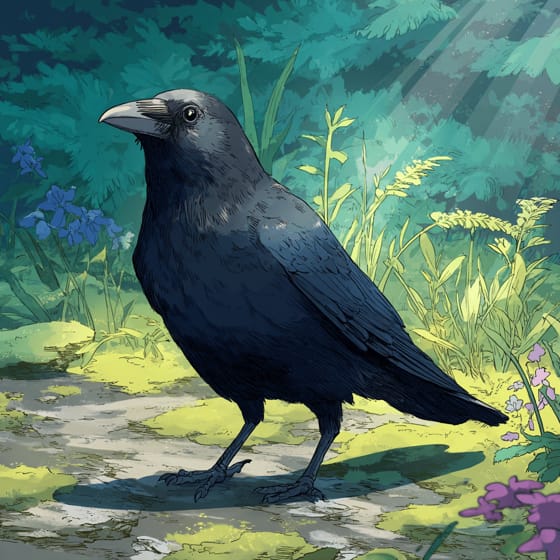
Corvus brachyrhynchos
Birds often snatch skinks from open areas.
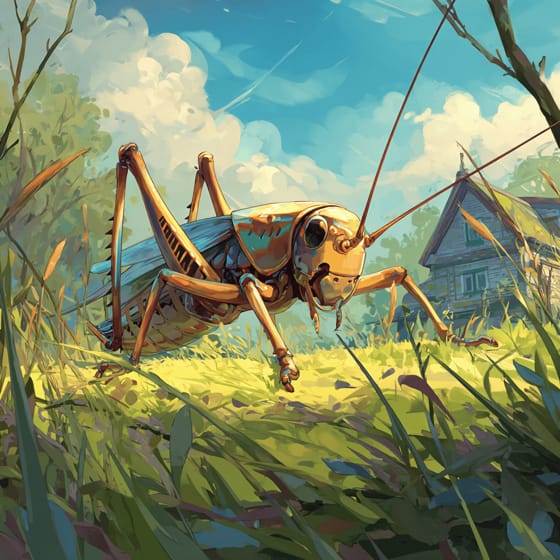
Acheta domesticus
A favorite meal of various small insects.

Argiope aurantia
Eats spiders found in its hunting grounds.
Marked with parallel bands or lines of color.
Solitary animals live alone for most of their lives, only interacting with others for mating or parental care.
Arboreal animals live primarily in trees, utilizing them for shelter, food, and protection from predators.
Colorful describes organisms or objects displaying a wide range of bright and distinct colors.

This trait identifies organisms whose diet primarily consists of insects and other small invertebrates.

Forest habitats are terrestrial environments dominated by dense tree cover, supporting a high diversity of plant and animal life.

Diurnal animals are primarily active during daylight hours, typically resting or sleeping at night.
Regenerative organisms possess the ability to regrow lost or damaged body parts, tissues, or organs.
No aliases listed yet.
Danger
1/5 · Very low
Always watch where you step in nature, and don't try to catch wild lizards.
The easiest way to identify Common Five-lined Skink is to use the Snappit nature identifier app.
12.5-21.5 cm
0.005-0.015 kg
5-6 years
6.4 km/h
These speedy lizards love to munch on all sorts of small insects and other tiny creatures!
Forests
Foraging
Zoom in to split clusters and explore where this object has been snapped.
Jun 7, 2026
Locust Grove State Historic SitePhoto attribution
(c) Brandon Johnson, some rights reserved (CC BY)
License: CC BY 4.0 ↗
Image may be shown cropped inside the card frame.
May 16, 2026
Daniel Stowe Botanical GardenPhoto attribution
(c) Leigha S, some rights reserved (CC BY)
License: CC BY 4.0 ↗
Image may be shown cropped inside the card frame.
May 1, 2026
Columbia CanalPhoto attribution
(c) Raven Dandridge, some rights reserved (CC BY)
License: CC BY 4.0 ↗
Image may be shown cropped inside the card frame.

Alabama, US
You might spot Anole, Eastern Gray Squirrel, and Asian Lady Beetle.
View guide →

Maryland, US
You might spot Crane-Fly Orchid, Fragile Forktail, and Ebony Jewelwing.
View guide →

Virginia, US
You might spot Pharaoh Cicada, Lesser Celandine, and Eastern Box Turtle.
View guide →

Maryland, US
You might spot American Cancer-Root and Rue Anemone.
View guide →
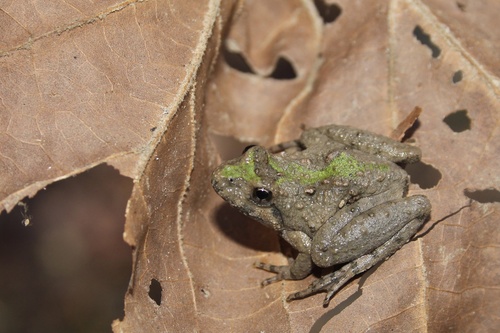
Maryland, US
You might spot Northern Cricket Frog and Common Whitetail.
View guide →

North Carolina, US
You might spot Northern Cardinal, Carolina Wren, and Tufted Titmouse.
View guide →
Take the discovery with you
Snap it with Snappit to identify it, learn what makes it special, and add the discovery to your collection.