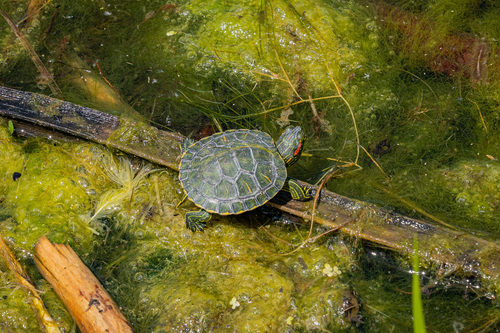
Pond Slider
Trachemys scripta
The Pond Slider is a cheerful turtle that loves to bask in the sun and swim in ponds. They have colorful shells and are fun to watch as they glide through the water!
Habitat: Wetlands
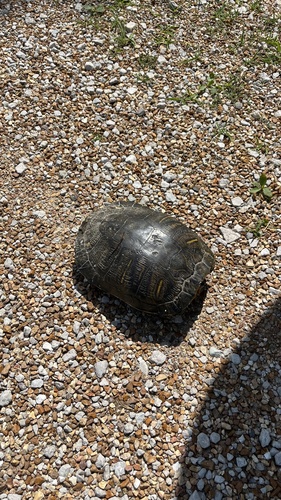
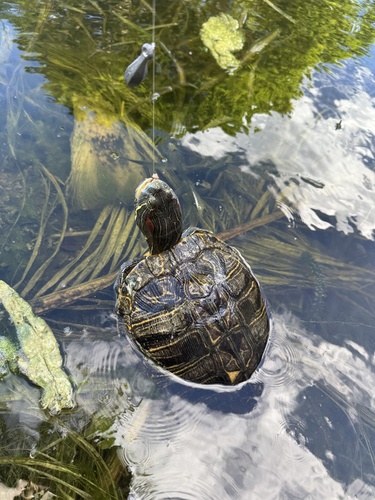
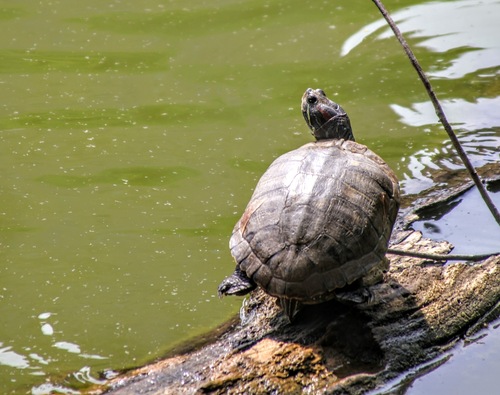
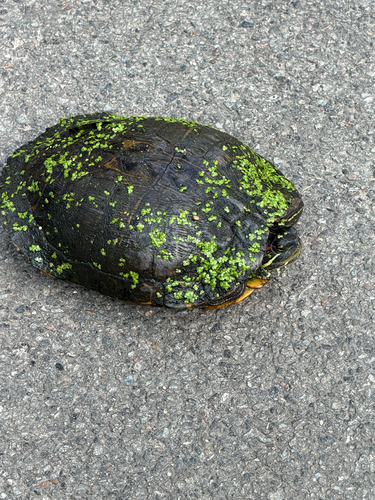
The Pond Slider is a medium-sized freshwater turtle, often with a smooth, oval-shaped carapace that ranges from green to brown. It typically features yellow stripes or blotches on its skin, and some subspecies, like the Red-eared Slider, have a distinctive red or orange patch behind each eye.
Category
ReptilesRarity
Common
Danger
1/5 · Very low
Snaps
171
A baby Pond Slider's gender depends on the temperature of its nest eggs!
Pond Sliders shed their scutes (shell plates) like skin, sometimes even eating them!
These amazing turtles can live longer than your grandparents, sometimes over 50 years!
They can stay underwater for over 30 minutes, holding their breath like a pro diver!
Pond Sliders can absorb solar energy through their dark shells, helping them regulate body temperature and produce vital Vitamin D.
Pond Sliders have a hard, bony shell that acts as a protective armor, allowing them to withdraw their head and limbs from predators.
Pond Sliders can paddle quickly through water with their webbed feet, allowing them to escape danger and hunt for food efficiently.
These turtles munch on plants and small animals, changing their diet as they grow!
Age differences: Young sliders are mostly carnivorous, eating insects and small aquatic animals; adults gradually eat more aquatic plants and algae.
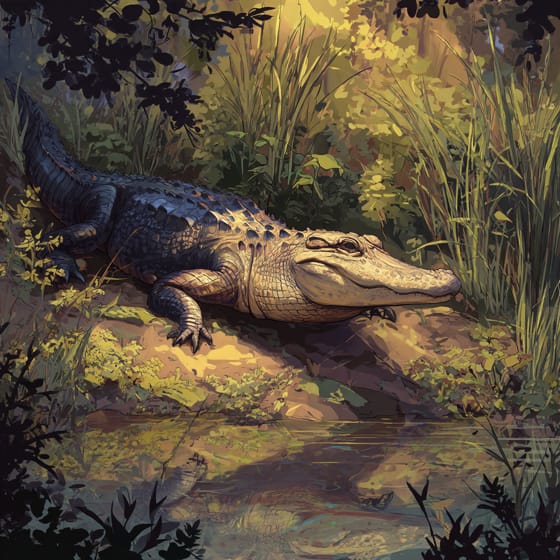
Alligator mississippiensis
Alligators prey on young and adult sliders in their native range.

Procyon lotor
Raccoons frequently raid slider nests for eggs, reducing hatching success.
Nymphaea odorata
Adult sliders graze on aquatic vegetation like lily pads and other plants.
Gambusia affinis
Young sliders actively hunt and consume small fish and tadpoles.
Social animals live in organized groups, cooperating for survival benefits such as foraging, defense, and raising offspring.
This trait identifies organisms whose diet includes both plant and animal matter.
Colorful describes organisms or objects displaying a wide range of bright and distinct colors.
This habitat trait identifies species found in wetlands, which are areas of land saturated with water, either permanently or seasonally, including marshes, swamps, and bogs.

Diurnal animals are primarily active during daylight hours, typically resting or sleeping at night.

This trait identifies organisms that exhibit exceptional swiftness in movement for hunting, escape, or travel.

Aquatic habitats encompass environments where organisms live predominantly in water, including oceans, rivers, lakes, and wetlands.
Danger
1/5 · Very low
Always watch from a distance and don't try to touch wild turtles.
The easiest way to identify Pond Slider is to use the Snappit nature identifier app.
12-30 cm
0.5-3 kg
20-50 years
1 km/h
These turtles munch on plants and small animals, changing their diet as they grow!
10 km/h
Wetlands
Zoom in to split clusters and explore where this object has been snapped.
Jun 9, 2026
Shaw Nature ReservePhoto attribution
(c) diana schwartz, some rights reserved (CC BY)
License: CC BY 4.0 ↗
Image may be shown cropped inside the card frame.
Jun 6, 2026
Deerfield Beach ArboretumPhoto attribution
(c) Kai Murphy, some rights reserved (CC BY)
License: CC BY 4.0 ↗
Image may be shown cropped inside the card frame.
Jun 6, 2026
Henderson Place Historic DistrictPhoto attribution
(c) cappycollins, some rights reserved (CC BY)
License: CC BY 4.0 ↗
Image may be shown cropped inside the card frame.
Jun 6, 2026
Central Park West Historic DistrictPhoto attribution
(c) betsyyyy, some rights reserved (CC BY)
License: CC BY 4.0 ↗
Image may be shown cropped inside the card frame.
Jun 4, 2026
Lincoln Park ZooPhoto attribution
(c) Ronni :), some rights reserved (CC BY)
License: CC BY 4.0 ↗
Image may be shown cropped inside the card frame.

Alabama, US
You might spot Elf Orpine, Canada Goose, and Leatherleaf Mahonia.
View guide →

New York, US
You might spot Sundial Lupine, Spotted Horsemint, and New Jersey Tea.
View guide →

South Carolina, US
You might spot Anole, Green Treefrog, and Eastern Gray Squirrel.
View guide →

Arkansas, US
You might spot Eastern Gray Squirrel and Asian Lady Beetle.
View guide →

Louisiana, US
You might spot Brown Anole, White Ibis, and Duck.
View guide →

New York, US
You might spot American Robin, Pond Slider, and Northern Cardinal.
View guide →
Take the discovery with you
Snap it with Snappit to identify it, learn what makes it special, and add the discovery to your collection.