





Bare-faced Ibis
Phimosus infuscatus
The Bare-faced Ibis is a unique bird with a shiny, bare face! They are often seen in groups and love to wade in shallow waters looking for food.
Habitat: Wetlands
The Bare-faced Ibis has a dark, glossy plumage with a purplish-green sheen, making it appear iridescent. Its most distinctive feature is the patch of bare, blackish skin on its face, contrasting with its dark feathers. It also has a long, decurved, dark bill.
Category
BirdsRarity
Common
Danger
1/5 · Very low
Snaps
Be the first to snap!
Bare-faced Ibises love to nest in huge colonies, sometimes sharing space with other feathered friends!
Their scientific name *Phimosus infuscatus* means 'dark-stained muzzle' because of its unique bare face!
These birds use a fun variety of grunts, croaks, and squawks to chat with each other!
Unlike their parents, baby Bare-faced Ibises are born with fuzzy faces, growing bare as they mature!
Bare-faced Ibis can find hidden prey because its long, curved bill is sensitive to touch and vibrations in the mud.
Bare-faced Ibis has strong flocking instincts that help them locate abundant food sources and stay safe from predators.
Bare-faced Ibis can easily navigate shallow waters because its sturdy legs and feet are adapted for wading through mud.
These ibises love to eat small creatures they find in mud and shallow water, especially insects and worms.
Buteogallus urubitinga
This large raptor may prey on ibis chicks or less vigilant adults.
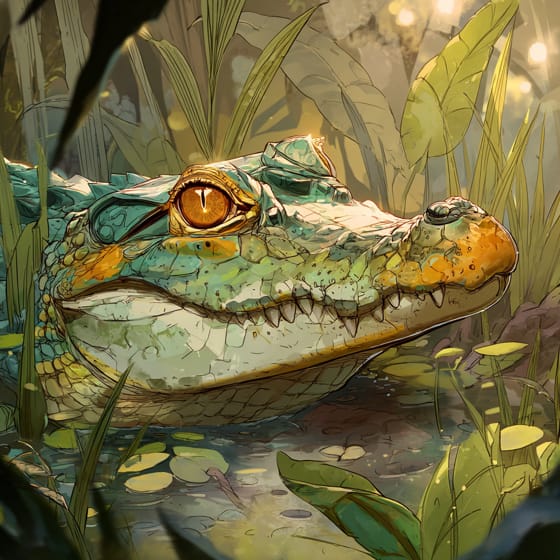
Caiman crocodilus
Caimans in wetlands are opportunistic predators of ibis adults and eggs.
Lumbricus terrestris
A primary food source, these worms are dug from soft mud.
Pomacea diffusa
These snails are a common invertebrate prey found in shallow wetlands.
Feathered describes animals, primarily birds, possessing a covering of feathers.
Social animals live in organized groups, cooperating for survival benefits such as foraging, defense, and raising offspring.
This trait identifies organisms whose diet includes both plant and animal matter.
Filter feeders obtain nutrients by straining suspended food particles and small organisms from water.

This habitat trait identifies species found in wetlands, which are areas of land saturated with water, either permanently or seasonally, including marshes, swamps, and bogs.

Diurnal animals are primarily active during daylight hours, typically resting or sleeping at night.

Aquatic habitats encompass environments where organisms live predominantly in water, including oceans, rivers, lakes, and wetlands.

Endangered status indicates a species is at a very high risk of extinction in the wild in the near future.
No aliases listed yet.
Danger
1/5 · Very low
Always watch birds from a distance so they feel safe.
The easiest way to identify Bare-faced Ibis is to use the Snappit nature identifier app.
45-50 cm
80-90 cm
0.45-0.55 kg
10-15 years
45 km/h
These ibises love to eat small creatures they find in mud and shallow water, especially insects and worms.
Wetlands
Zoom in to split clusters and explore where this object has been snapped.
Recent snaps will appear here as new observations are added.
Take the discovery with you
Snap it with Snappit to identify it, learn what makes it special, and add the discovery to your collection.




.jpg&width=800)









