.jpg&width=800)





Indian Silverbill
Euodice malabarica
The Indian Silverbill is a small, cheerful bird with a lovely silver-gray body and a short tail. They love to chirp and can often be seen in flocks, hopping around in grasslands and gardens.
Habitat: Grasslands
The Indian Silverbill is a small, stout bird with sandy-brown upperparts and contrasting whitish underparts. It has a distinctive dark rump and a thick, silvery-grey conical bill, which makes it easy to identify.
Category
BirdsRarity
Common
Danger
1/5 · Very low
Snaps
Be the first to snap!
Sometimes, young Indian Silverbills from one nest help their parents feed new baby birds!
Their soft, tinkling calls sound like tiny bells ringing in the air.
These busy birds often raise two or three batches of chicks in a single year!
They love to roost communally, huddling together with many friends for warmth and safety.
Indian Silverbill has a strong, conical bill that helps them crack open tough seeds with surprising ease.
Indian Silverbill can sometimes build its nest inside the large, sturdy nests of other birds, finding ready-made shelter.
Indian Silverbill can take frequent dust baths, which helps them keep their feathers clean and free from parasites.
A small bird that mostly eats tiny seeds from grasses and weeds.
Accipiter badius
A common raptor that preys on small birds.
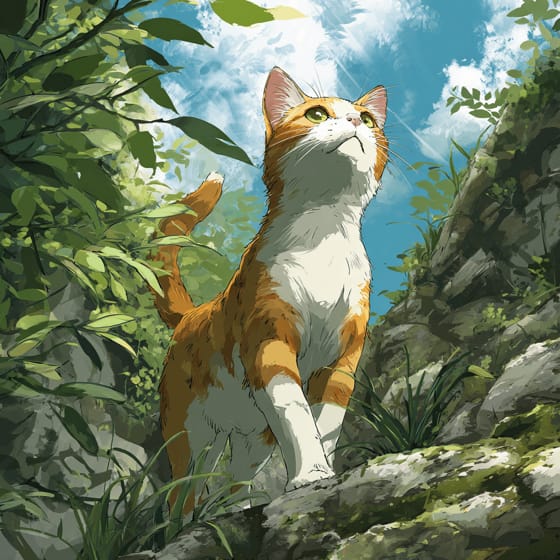
Felis catus
An introduced predator in many habitats.

Sorghum halepense
Feeds on the abundant seeds of this common grass.
Ploceus philippinus
Sometimes builds its nest inside the large nests of weaver birds.
Feathered describes animals, primarily birds, possessing a covering of feathers.
Social animals live in organized groups, cooperating for survival benefits such as foraging, defense, and raising offspring.
Singing animals produce complex vocalizations, often for purposes of attracting mates, defending territory, or communicating within their species.
Grassland habitats are terrestrial biomes dominated by grasses and herbaceous plants, supporting a variety of grazing animals.

This trait characterizes organisms whose diet consists entirely or primarily of plant material.

Diurnal animals are primarily active during daylight hours, typically resting or sleeping at night.
No aliases listed yet.
Danger
1/5 · Very low
Always watch birds from a distance and don't try to touch them.
The easiest way to identify Indian Silverbill is to use the Snappit nature identifier app.
10-12 cm
15-18 cm
0.008-0.012 kg
3-7 years
40 km/h
A small bird that mostly eats tiny seeds from grasses and weeds.
Grasslands
Zoom in to split clusters and explore where this object has been snapped.
Recent snaps will appear here as new observations are added.
Take the discovery with you
Snap it with Snappit to identify it, learn what makes it special, and add the discovery to your collection.




.jpg&width=800)








