





Sardinian Warbler
Curruca melanocephala
The Sardinian Warbler is a small, lively bird with a black cap and a gray body. They love to hop around in bushes and are known for their cheerful songs that fill the air.
Habitat: Coastal areas
The Sardinian Warbler has a distinctive glossy black head and white throat, contrasting with a dark grey back and reddish-brown flanks. Males sport a striking red eye-ring, which helps distinguish them from similar warblers.
Category
BirdsRarity
Common
Danger
1/5 · Very low
Snaps
Be the first to snap!
Despite its name, it lives in many Mediterranean countries, not just Sardinia!
Males sing loudly from tall bushes to show off their territory and attract a mate.
These tiny birds are very territorial and will chase away much larger intruders!
They build neat cup-shaped nests hidden deep within thorny shrubs for safety.
Sardinian Warbler can twist and turn through dense shrubs to catch hidden insects because of its agile flight and small size.
Sardinian Warbler can produce a complex, varied song and mimic other bird calls, helping them communicate and attract mates.
Sardinian Warbler has drab back plumage that helps them blend perfectly into thorny bushes, making them hard for predators to spot.
They mainly munch on tiny insects and spiders, but also enjoy sweet berries when available.
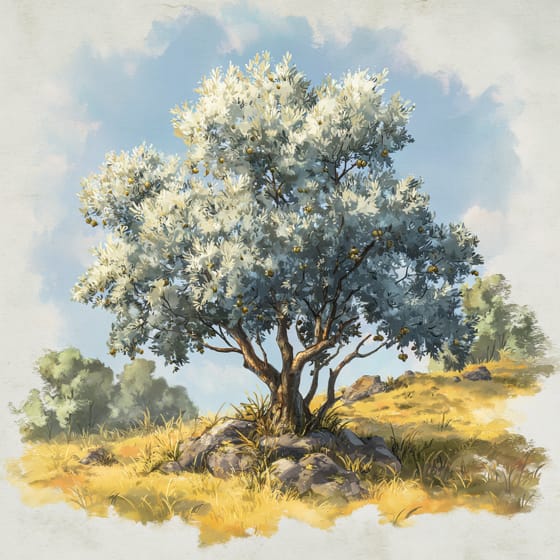
Olea europaea
uses olive trees for cover and foraging.
Rubus ulmifolius
consumes sweet berries, especially in late summer.
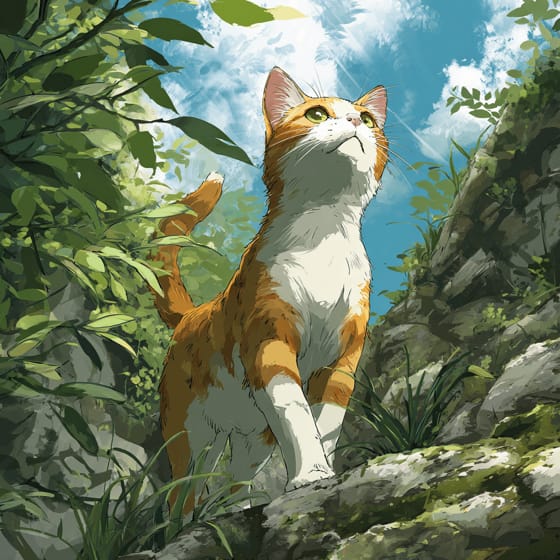
Felis catus
vulnerable to predation in urban areas.
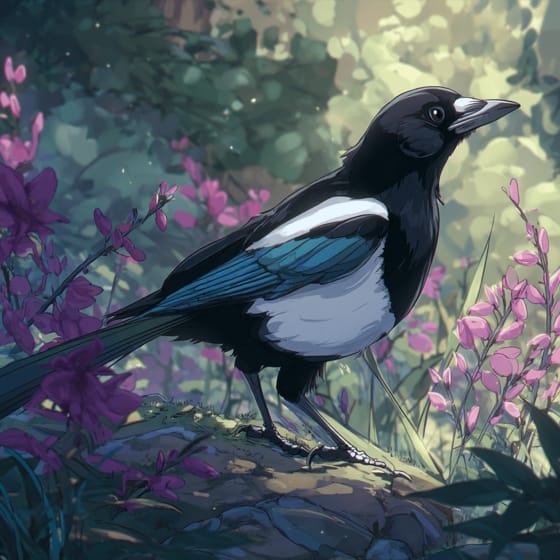
Pica pica
nests and young are sometimes predated.
Cistus creticus
uses dense bushes for nesting and cover.
Feathered describes animals, primarily birds, possessing a covering of feathers.
Social animals live in organized groups, cooperating for survival benefits such as foraging, defense, and raising offspring.
Singing animals produce complex vocalizations, often for purposes of attracting mates, defending territory, or communicating within their species.
This trait identifies organisms whose diet primarily consists of insects and other small invertebrates.

Coastal habitats are dynamic environments located along the interface between land and sea, influenced by tides, waves, and saltwater.

Diurnal animals are primarily active during daylight hours, typically resting or sleeping at night.
No aliases listed yet.
Danger
1/5 · Very low
Enjoy watching birds from a distance and be quiet so you don't scare them away.
The easiest way to identify Sardinian Warbler is to use the Snappit nature identifier app.
13-14 cm
15-18 cm
0.009-0.012 kg
2-5 years
35 km/h
They mainly munch on tiny insects and spiders, but also enjoy sweet berries when available.
Coastal areas
Zoom in to split clusters and explore where this object has been snapped.
Recent snaps will appear here as new observations are added.
Take the discovery with you
Snap it with Snappit to identify it, learn what makes it special, and add the discovery to your collection.




.jpg&width=800)









