





bastard toadflax
Comandra umbellata
Bastard toadflax is a unique plant that grows close to the ground with pretty yellow flowers. It loves to live in dry, sandy places and is a special part of the wild landscape.
Habitat: Grasslands
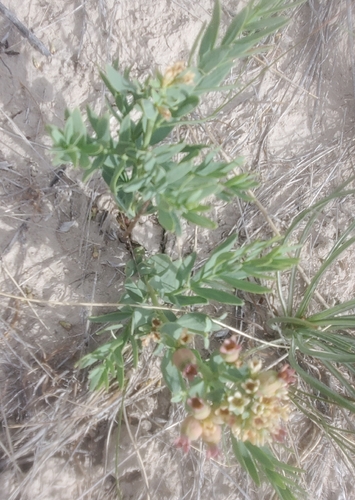
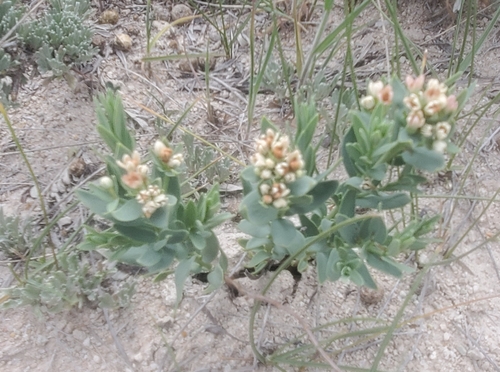
The bastard toadflax has slender, upright stems with narrow, green leaves. Its small, whitish-green to pinkish flowers are clustered at the stem tips, forming umbrella-like arrangements. These delicate blooms often stand out against the backdrop of its host plants.
Category
PlantsRarity
Common
Danger
1/5 · Very low
Snaps
15
It's a distant cousin of the famous sandalwood tree, known for its sweet, earthy smell!
Its name 'toadflax' actually describes plants with small, delicate flowers, not real toads!
Look closely at its flowers; they bloom in tiny clusters that resemble mini umbrellas!
You can find this plant living in almost every state in the USA and across Canada!
Bastard toadflax can parasitize other plants, tapping into their roots for extra water and nutrients to grow stronger.
This plant produces bright red berries that attract birds, helping spread its seeds far and wide for new plants.
It has a wide root system that can locate many different host plants, helping it thrive in varied soils.
Quercus rubra
Taps into its roots for nutrients.
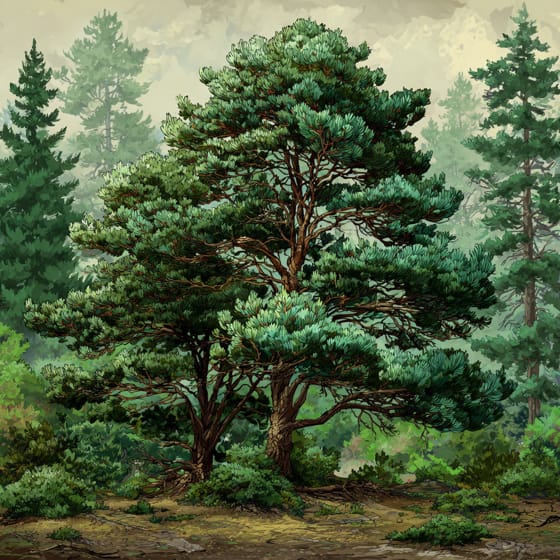
Pinus strobus
Borrows water and minerals from roots.

Bombus impatiens
Visits flowers to collect nectar.
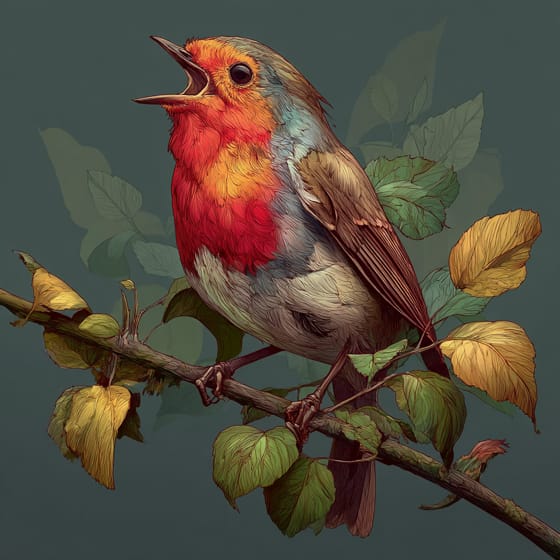
Turdus migratorius
Eats its bright red berries.
Flowering plants are any plants that produce flowers as part of their reproductive cycle.
Cluster flowers are inflorescences where individual flowers are arranged closely together on a common stem.
Summer blooming plants produce their flowers during the summer season, often providing vibrant color when many other plants have finished.
Drought-tolerant plants can survive and flourish in conditions with limited water availability.

Grassland habitats are terrestrial biomes dominated by grasses and herbaceous plants, supporting a variety of grazing animals.

Describes plants that are particularly attractive and beneficial to a wide range of pollinating organisms.
No aliases listed yet.
Danger
1/5 · Very low
Always look but don't touch wild plants unless an adult says it's safe.
The easiest way to identify bastard toadflax is to use the Snappit nature identifier app.
15-40 cm
0.3-0.5 cm
Late spring to early summer
No
None
Perennial
Insect
Zoom in to split clusters and explore where this object has been snapped.
May 14, 2026
Toadstool Geologic ParkPhoto attribution
(c) hr_dragonfly, some rights reserved (CC BY)
License: CC BY 4.0 ↗
Image may be shown cropped inside the card frame.
May 14, 2026
Toadstool Geologic ParkPhoto attribution
(c) hr_dragonfly, some rights reserved (CC BY)
License: CC BY 4.0 ↗
Image may be shown cropped inside the card frame.

Arizona, US
You might spot Yarrow's Spiny Lizard and Mexican Jay.
View guide →

Michigan, US
You might spot Bladder Campion, Bearberry, and Common Milkweed.
View guide →

Massachusetts, US
You might spot Painted Turtle and Eastern White Pine.
View guide →

Connecticut, US
You might spot Eastern Skunk Cabbage and Garlic Mustard.
View guide →

Massachusetts, US
You might spot Common Eastern Bumble Bee and Eastern Gray Squirrel.
View guide →

Nebraska, US
You might spot Lark Sparrow, Rock Wren, and Scarlet Globemallow.
View guide →
Take the discovery with you
Snap it with Snappit to identify it, learn what makes it special, and add the discovery to your collection.







.jpg&width=800)



_001.jpg&width=800)




