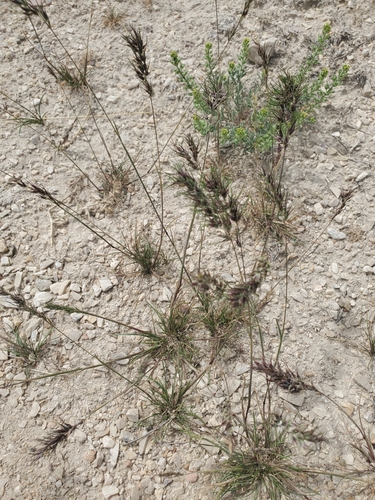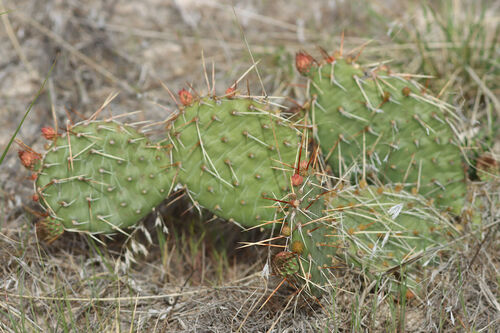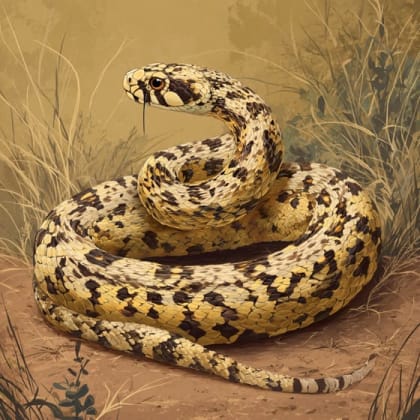





Gopher Snake

Toadstool Geologic Park is an otherworldly badlands landscape filled with unique rock formations and rich fossil beds.
Toadstool Geologic Park is an otherworldly badlands landscape filled with unique rock formations and rich fossil beds. This geological treasure, often called "Nebraska's Badlands," transports visitors back to a prehistoric past unlike anywhere else in the state. Its rugged, moon-shaped terrain, carved by millions of years of erosion, offers a stunning contrast to the surrounding prairie and promises an unforgettable experience for those seeking adventure and discovery.
The park's namesake toadstool formations are a marvel to behold, featuring giant sandstone caps perched atop narrow clay pedestals, sculpted by the relentless forces of wind and water. Along its interpretive trails, visitors can uncover scientifically valuable fossil deposits, including ancient mammal fossils like rhinoceroses, miniature horses, camels, and giant tortoises that once roamed a vast savannah. Perhaps most exciting is the chance to see a 0.75-mile long trackway preserving an ancient pursuit of entelodonts (fierce, pig-like animals) chasing rhinos, offering a tangible link to life from 30 million years ago.
Toadstool Geologic Park is a hidden gem that combines the thrill of paleontological exploration with breathtaking natural beauty. Its remote location within the Oglala National Grassland ensures a sense of solitude, making it a perfect destination for photography, quiet contemplation, and deep dives into Earth's ancient history. Whether you're a geology enthusiast, a history buff, or simply seeking unique landscapes, this park offers a profound connection to a bygone era. Planning to visit? Download the Snappit app to identify the wildlife you spot in real-time.
Toadstool Geologic Park's dramatic landscape is the result of geological processes spanning millions of years. The distinctive badlands formations primarily consist of exposed layers from the White River Group, deposited between 45 and 24 million years ago during the Eocene and Oligocene periods. During this ancient era, western Nebraska was a vast, open savannah with meandering streams and forests, a stark contrast to its present appearance. Volcanic eruptions far to the west blanketed the landscape with ash, which, along with river sediments, created the layers of rock and clay seen today. These unique conditions led to exceptional fossil preservation. The park is renowned for its scientifically valuable fossil deposits, including the remains and footprints of extinct species such as brontotheres (early rhinoceroses), oreodonts, and entelodonts. The park also features a reconstructed sod house, built in 1984, offering visitors a glimpse into the tough lives of early homesteaders who utilized the grassland's abundant material for shelter.
Hiking: Explore the 1-mile Interpretive Loop Trail, which offers close-up views of the toadstool formations and geological features. For a longer adventure, take the 3-mile Bison Trail leading towards the Hudson-Meng Education and Research Center, or combine trails for the 4.8-mile Toadstool Park CG loop.
* **Fossil Exploration: ** Look for signs of ancient fossils and footprints embedded in the rock layers (collection is prohibited).
* **Photography: ** Capture the unique "moonscape" badlands, dramatic rock formations, and vast prairie views.
* **Camping & Stargazing: ** The primitive campground offers 12 sites with picnic tables and fire rings, perfect for experiencing the dark night skies.
* **Sod House Visit: ** Explore the reconstructed sod house to understand early settler life.
Spring & Fall: Mild temperatures make for pleasant hiking. Wildflowers bloom in spring and early summer.
Summer: Can be very hot and dry. Bring plenty of water and sun protection. Roads can become muddy and difficult to travel after rain.
Winter: Cold weather conditions, but the park remains open. Check road conditions before visiting, as unpaved roads can be challenging.
The first quarter-mile of the Interpretive Loop Trail is generally flat and accessible. Beyond that, trails become more rugged with inclines, rocks, and stream beds, requiring some climbing. The campground includes accessible vault toilets, but no potable water is available.
The iconic toadstool-shaped rock formations, the interpretive kiosk and brochure that explain the local geology and history, visible fossil beds and ancient animal trackways, and the reconstructed sod house.
Each card links to a full Explore page with photos, traits, and fun facts.
Start with the big picture, then zoom in to explore individual wildlife observations around this place.
Bring your own water
There is no potable water available at the park, so pack plenty for drinking and any camping needs.
Wear appropriate footwear
Trails can be uneven, rocky, and involve some climbing, so sturdy hiking shoes or boots are highly recommended.
Check road conditions
The access roads are unpaved and can be challenging when wet. Call ahead or check local forecasts, especially after rain.
Download maps offline
Cell phone service is unreliable or nonexistent in the area, so download offline maps and trail guides before your visit.
Protect yourself from the sun
The park is an open, dry area with little shade. Bring sunscreen, a hat, and sunglasses, especially during warmer months.
Respect the environment
Do not disturb or collect any fossils, rocks, plants, or animal traces. Pack out everything you pack in to keep the park pristine.
May 14, 2026
Photo attribution
(c) hr_dragonfly, some rights reserved (CC BY)
License: CC BY 4.0 ↗
Image may be shown cropped inside the card frame.
May 14, 2026
Photo attribution
(c) hr_dragonfly, some rights reserved (CC BY)
License: CC BY 4.0 ↗
Image may be shown cropped inside the card frame.
May 14, 2026
Photo attribution
(c) hr_dragonfly, some rights reserved (CC BY)
License: CC BY 4.0 ↗
Image may be shown cropped inside the card frame.
May 14, 2026
Photo attribution
(c) hr_dragonfly, some rights reserved (CC BY)
License: CC BY 4.0 ↗
Image may be shown cropped inside the card frame.
May 14, 2026
Photo attribution
(c) hr_dragonfly, some rights reserved (CC BY)
License: CC BY 4.0 ↗
Image may be shown cropped inside the card frame.

Maryland, US
You might spot White-Tailed Deer and Eastern Gray Squirrel.
View guide →
.jpg)
District of Columbia, US
You might spot Eastern Gray Squirrel, Duck, and House Sparrow.
View guide →

Illinois, US
You might spot American Robin, Canada Goose, and House Sparrow.
View guide →

Virginia, US
You might spot Spotted Lanternfly and Northern Cardinal.
View guide →
Take the discovery with you
Identify the wildlife you spot, learn as you go, and keep a collection of the adventure.