.jpg&width=800)





Beach Robber Fly
Laphystia litoralis
The Beach Robber Fly is a cool insect that loves to hang out near sandy beaches. It has big eyes and can catch other insects in mid-air, making it a great little hunter!
Habitat: Coastal areas
The Beach Robber Fly has a slender body, often covered in fine, sandy-colored hairs for camouflage against coastal dunes. It features large, bulbous eyes that meet at the top of its head and strong, bristly legs ready to grasp prey.
Category
InsectsRarity
Common
Danger
1/5 · Very low
Snaps
1
Robber flies have a bristly "mustache" called a mystax to protect their face from struggling prey.
Some robber flies can mimic bees or wasps to scare off predators, but they don't sting!
Their larvae live in sand and also hunt other small insects underground!
They use a special "basket" made of leg bristles to scoop prey right out of the air!
Beach Robber Fly can ambush flying insects with incredible speed because of powerful flight muscles and keen eyesight that helps them strike mid-air.
Beach Robber Fly has sharp, piercing mouthparts that inject paralyzing venom, which helps them quickly subdue and digest their prey.
Beach Robber Fly can blend perfectly with sandy environments because of its pale, dusty coloration, allowing it to hide from both predators and unsuspecting prey.
A fierce hunter of other insects, ambushing them in sandy habitats.
Musca domestica
A common meal, snatched from the air.
Apis mellifera
Catches bees visiting nearby coastal flowers.
Podalonia luctuosa
A swift predator that also hunts insects in sandy areas.
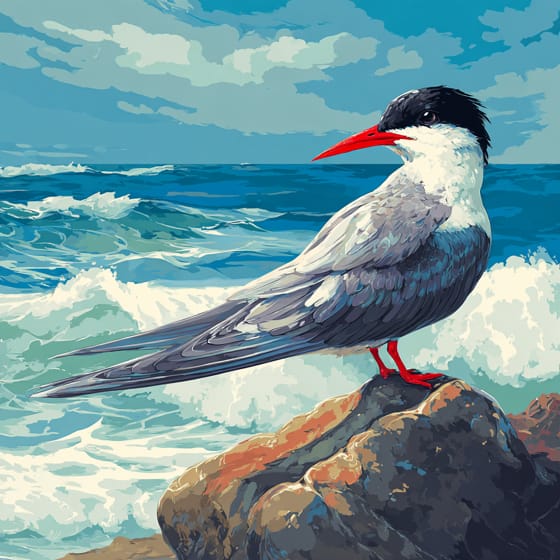
Sterna hirundo
Coastal birds like terns may prey on adult robber flies.
Aerial creatures spend a significant portion of their lives airborne, utilizing flight for various activities such as hunting, migration, or nesting.
Colorful describes organisms or objects displaying a wide range of bright and distinct colors.
This trait identifies organisms whose diet primarily consists of insects and other small invertebrates.
Coastal habitats are dynamic environments located along the interface between land and sea, influenced by tides, waves, and saltwater.

This trait identifies organisms whose diet consists entirely or primarily of animal tissue.

Diurnal animals are primarily active during daylight hours, typically resting or sleeping at night.

This trait identifies organisms that exhibit exceptional swiftness in movement for hunting, escape, or travel.
No aliases listed yet.
Danger
1/5 · Very low
These flies are not harmful, but it's best to watch them from a distance.
The easiest way to identify Beach Robber Fly is to use the Snappit nature identifier app.
15-30 mm
10-15 mm
20-40 days
35 km/h
A fierce hunter of other insects, ambushing them in sandy habitats.
Coastal areas
Ambush
Zoom in to split clusters and explore where this object has been snapped.
Take the discovery with you
Snap it with Snappit to identify it, learn what makes it special, and add the discovery to your collection.








.jpg&width=800)



