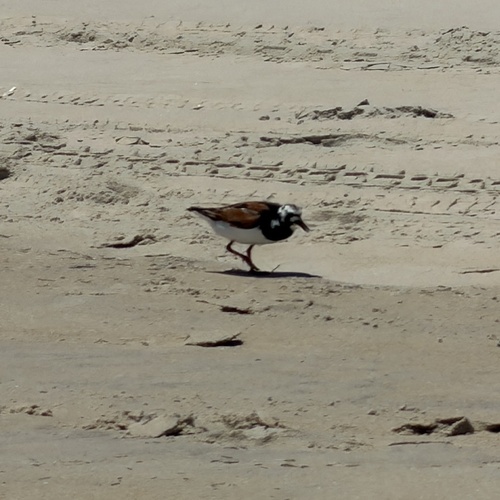
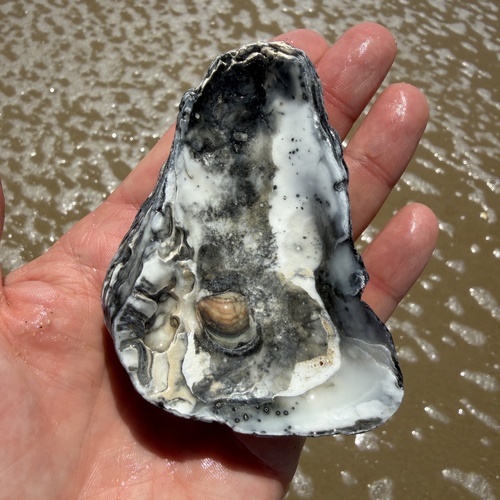
Brown Pelican
Perched on the windswept shores of North Carolina's Outer Banks, the Bodie Island Lifesaving and Coast Guard Station complex is a captivating window into a heroic past.
Perched on the windswept shores of North Carolina's Outer Banks, the Bodie Island Lifesaving and Coast Guard Station complex is a captivating window into a heroic past. This historic collection of buildings, nestled within the Cape Hatteras National Seashore, stands as a tangible tribute to the brave men of the U.S. Life-Saving Service and later the U.S. Coast Guard, who patrolled these perilous waters, often called the "Graveyard of the Atlantic," to save lives from countless shipwrecks. It uniquely preserves several architectural eras of maritime rescue, offering a poignant glimpse into a vital piece of American history.
The complex primarily consists of three significant structures: the original 1878/79 Life-Saving Station, a 1903 boathouse, and the 1925 Coast Guard Station. While these buildings now serve operational roles for the National Park Service and U.S. Fish & Wildlife Service, their exteriors tell a compelling story. Visitors can observe the distinct architectural styles, from the 1876-type design of the earlier station to the Chatham-type Coast Guard station, and envision the rigorous drills involving surfboats and breeches buoy apparatus that were crucial to their life-saving mission. Interpretive signage around the grounds enriches the experience, detailing the history and the challenging daily lives of the surfmen.
Visiting the Bodie Island Lifesaving and Coast Guard Station offers a profound connection to the maritime heritage of the Outer Banks. It provides essential context to the dramatic beauty of the coast and the nearby Bodie Island Lighthouse. It's an ideal spot for reflection, photography, and understanding the grit and courage that defined an era when human bravery was the primary defense against the unforgiving sea. The preserved buildings, set against the backdrop of coastal dunes, make for a memorable and educational experience. Don't forget to bring the Snappit nature identification app along to scan local species.
The origins of the Bodie Island Lifesaving Station trace back to the establishment of the U.S. Life-Saving Service in 1871, a predecessor to the modern U.S. Coast Guard. The original 1876-type station building was constructed in 1878, situated near the present-day Bodie Island Lighthouse, and officially commissioned in January 1879. Initially, it was known as "Tommy's Hummock" station, before being officially renamed the Bodie Island station in 1883 to correct earlier naming confusion. In 1915, the U.S. Life-Saving Service merged with the Revenue Cutter Service to form the U.S. Coast Guard. A newer, larger, and more modern 1925 Chatham-type Coast Guard station was later built adjacent to the earlier facility. The stations were eventually decommissioned from active service in 1937 and subsequently transferred to the National Park Service in 1953, becoming part of the newly established Cape Hatteras National Seashore. Due to persistent coastal erosion, the entire complex has been relocated multiple times, with its most recent move in 2013, bringing it to its current location at the entrance to the Bodie Island Lighthouse.
Walk around the historic buildings to appreciate their design and imagine the life of the crews. Read the informational signs to learn about the challenging rescues and the evolution of coastal protection. Take photographs of the iconic structures against the natural backdrop. You can also explore the adjacent Bodie Island Lighthouse grounds, which feature nature walkways and excellent birdwatching opportunities.
Summers are hot, humid, and crowded, with a higher risk of hurricanes. Winters are colder and quieter, but some facilities or programs might be limited. Always check the National Park Service website for the latest operating hours and conditions, especially for the nearby lighthouse.
The grounds around the Bodie Island Lighthouse complex, including the area surrounding the Lifesaving and Coast Guard Station buildings, are generally accessible for visitors. The visitor center (located in the former lighthouse keepers' quarters) has accessibility features. Interior access to the lifesaving station buildings, which are currently used as offices, may be limited or unavailable to the public.
The distinct architectural styles of the 1878/79 Life-Saving Station, the 1903 boathouse, and the 1925 Coast Guard Station. Interpretive panels detail the history of maritime rescue, the daily lives of surfmen, and equipment like the breeches buoy and surfboats.
Each card links to a full Explore page with photos, traits, and fun facts.
Start with the big picture, then zoom in to explore individual wildlife observations around this place.
Combine your visit
** The station is located at the entrance to the Bodie Island Lighthouse, making it an easy and rewarding combination visit.
Bring your camera
The historic architecture and coastal scenery offer fantastic photographic opportunities.
Check the weather
Outer Banks weather can change rapidly; dress in layers and be prepared for sun, wind, or sudden rain.
Wear comfortable shoes
You'll be walking around the grounds, which may include uneven surfaces.
Explore interpretive signs
Take time to read the detailed historical markers on site to fully understand the station's significance.
Visit the Lighthouse Visitor Center
Although separate from the station buildings, the Bodie Island Lighthouse visitor center (in the former keepers' quarters) often provides broader context and exhibits on the area's maritime history.
Jun 3, 2026
Photo attribution
(c) Conway Hawn, some rights reserved (CC BY)
License: CC BY 4.0 ↗
Image may be shown cropped inside the card frame.
Jun 3, 2026
Photo attribution
(c) Conway Hawn, some rights reserved (CC BY)
License: CC BY 4.0 ↗
Image may be shown cropped inside the card frame.
Jun 3, 2026
Photo attribution
(c) Conway Hawn, some rights reserved (CC BY)
License: CC BY 4.0 ↗
Image may be shown cropped inside the card frame.
Jun 3, 2026
Photo attribution
(c) Conway Hawn, some rights reserved (CC BY)
License: CC BY 4.0 ↗
Image may be shown cropped inside the card frame.
Jun 3, 2026
Photo attribution
(c) Conway Hawn, some rights reserved (CC BY)
License: CC BY 4.0 ↗
Image may be shown cropped inside the card frame.

Maryland, US
You might spot White-Tailed Deer and Eastern Gray Squirrel.
View guide →
.jpg)
District of Columbia, US
You might spot Eastern Gray Squirrel, Duck, and House Sparrow.
View guide →

Illinois, US
You might spot American Robin, Canada Goose, and House Sparrow.
View guide →

Virginia, US
You might spot Spotted Lanternfly and Northern Cardinal.
View guide →
Take the discovery with you
Identify the wildlife you spot, learn as you go, and keep a collection of the adventure.