





Bearded Beggarticks
bidens aristosa
Bearded Beggarticks are bright yellow flowers that attract many insects! They are fun to find in fields and gardens, especially during the summer months.
Habitat: Wetlands, fields, and sunny areas near water.
The Bearded Beggarticks has bright yellow, daisy-like flowers, typically 2-5 cm wide, with several notched ray petals surrounding a darker orange-yellow central disk. Its slender, branching stems bear delicate, feathery green leaves.
Category
PlantsRarity
Common
Danger
0/5 · No known danger
Snaps
Be the first to snap!
It's often called 'sticktights' because its seeds cling so well!
Its bright flowers offer sweet nectar to many small insects!
Its name, 'Bidens', means 'two teeth' for the bristles on its seeds!
This plant is a wild cousin of sunflowers and daisies!
Bearded Beggarticks has tiny seeds with barbed hooks that cling to animal fur and clothing, helping it spread far and wide.
Bearded Beggarticks can thrive in very moist soils and even tolerate temporary floods, allowing it to grow where other plants cannot.
Bearded Beggarticks can self-pollinate its own flowers, ensuring it can still make seeds even when no insects are around.
Apis mellifera
visits flowers for nectar
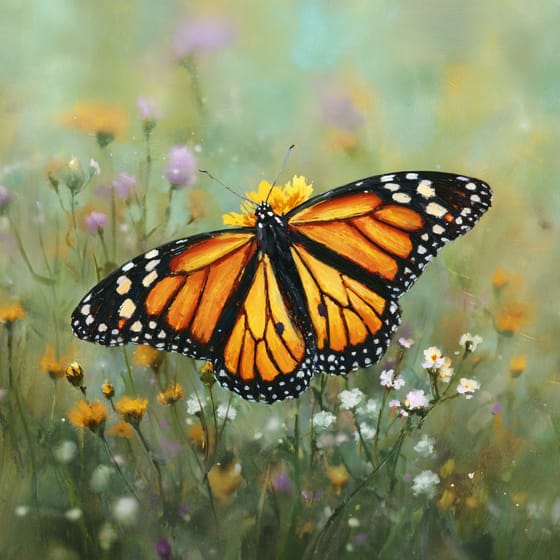
Danaus plexippus
sips nectar from blooms
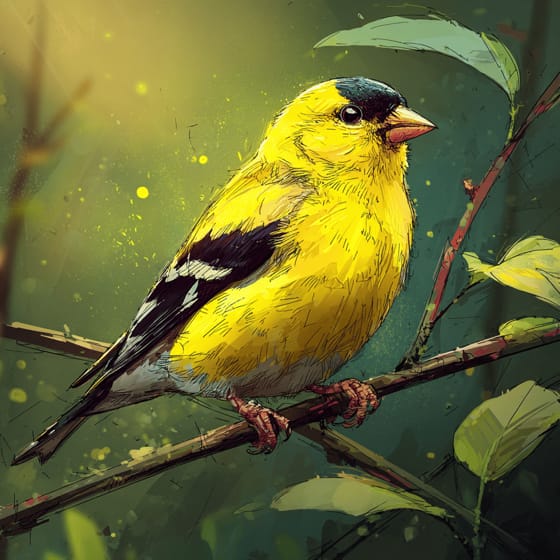
Carduelis tristis
feeds on the plant's seeds
Social animals live in organized groups, cooperating for survival benefits such as foraging, defense, and raising offspring.
Colorful describes organisms or objects displaying a wide range of bright and distinct colors.
This trait characterizes organisms whose diet consists entirely or primarily of plant material.
Diurnal animals are primarily active during daylight hours, typically resting or sleeping at night.

Describes organisms that transfer pollen, enabling the fertilization and reproduction of plants.
Danger
0/5 · No known danger
No special safety notes yet.
The easiest way to identify Bearded Beggarticks is to use the Snappit nature identifier app.
30-120 cm
30-60 cm
2-5 cm
Late summer to fall (July-October)
Yes
None
Annual
Zoom in to split clusters and explore where this object has been snapped.
Recent snaps will appear here as new observations are added.
Take the discovery with you
Snap it with Snappit to identify it, learn what makes it special, and add the discovery to your collection.









.jpg&width=800)



_001.jpg&width=800)




