





Cutleaf Blackberry
Rubus laciniatus
The Cutleaf Blackberry is a fun plant that grows tasty blackberries! Its leaves are shaped like little fingers, making it easy to spot in gardens and wild areas.
Habitat: Forests
The Cutleaf Blackberry has distinctive deeply cut, fern-like green leaves along thorny, arching stems. Its small white to pale pink flowers develop into shiny black, juicy berries. Its unique foliage helps distinguish it from other blackberries.
Category
PlantsRarity
Common
Danger
2/5 · Low
Snaps
1
It often acts like a climbing vine, scrambling over other plants for vital sunshine!
Its super-serrated leaves are why its scientific name, laciniatus, means 'slashed'!
These sweet and tart berries are perfect for making delicious pies, jams, and even wine!
Though tasty, its dense, thorny thickets provide amazing hiding spots for small animals!
Cutleaf Blackberry has sharp thorns that protect its tasty berries and stems from hungry animals.
Its deeply cut, fern-like leaves maximize sunlight capture, helping it grow strong and fast.
This plant can spread quickly underground with special roots, making new plants pop up everywhere!

Odocoileus virginianus
Deer browse on its leaves and young stems.
Apis mellifera
Bees visit the flowers for nectar and pollen.
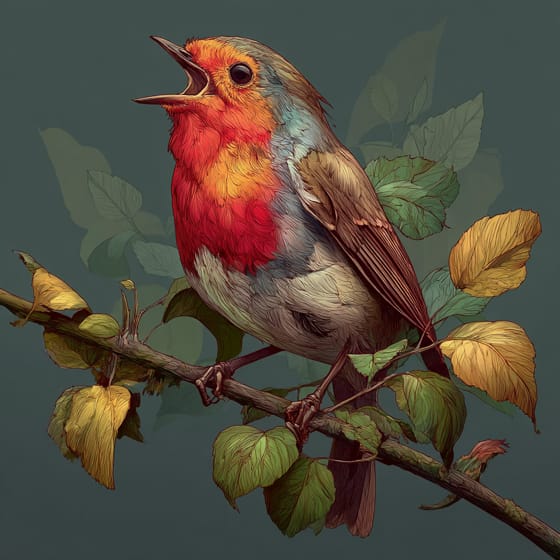
Turdus migratorius
Robins eat the berries, helping to spread its seeds.
.JPG&width=800)
Sylvilagus floridanus
Dense thickets provide safe cover for rabbits.
Deciduous plants periodically shed all their leaves, typically during autumn or dry seasons.
Flowering plants are any plants that produce flowers as part of their reproductive cycle.
A shrub is a woody plant smaller than a tree, typically with multiple stems branching from or near the ground.
Fruit-bearing plants produce fruits, which are the mature ovaries of flowering plants containing seeds.

Edible plants are those parts of a plant that are considered safe for human consumption.

Describes plants that are particularly attractive and beneficial to a wide range of pollinating organisms.

Rapid growing plants exhibit accelerated growth rates, quickly increasing in size and biomass within a short period.

Forest habitats are terrestrial environments dominated by dense tree cover, supporting a high diversity of plant and animal life.
Danger
2/5 · Low
Be careful of thorns when picking blackberries, and always wash the berries before eating them.
The easiest way to identify Cutleaf Blackberry is to use the Snappit nature identifier app.
100-300 cm
100-200 cm
1-2 cm
Late spring to early summer
Yes
None
Perennial
Zoom in to split clusters and explore where this object has been snapped.

Oregon, US
You might spot Duck, Pacific Trillium, and Wood Duck.
View guide →

Oregon, US
You might spot Tree-Of-Heaven, Duck, and Canada Goose.
View guide →

Oregon, US
You might spot Great White Shark, Blue Spotted Stingray, and Octopus.
View guide →
.JPG)
California, US
You might spot Cardinal Catchfly and Broad-Leaved Stonecrop.
View guide →

Washington, US
You might spot Western Yellow Pond-Lily, Rose Spirea, and Fireweed.
View guide →

Massachusetts, US
You might spot European Flat Oyster and Staghorn Sumac.
View guide →
Take the discovery with you
Snap it with Snappit to identify it, learn what makes it special, and add the discovery to your collection.






.jpg&width=800)



_001.jpg&width=800)



