





beach strawberry
Fragaria chiloensis
Beach strawberries are small, sweet fruits that grow close to the ground. They have bright red color and are often found near sandy areas by the ocean. They are tasty and fun to pick!
Habitat: Coastal areas
The beach strawberry has glossy, leathery green leaves with three leaflets, often tinged reddish at the edges. Its small, five-petaled white flowers feature a bright yellow center, giving way to tiny, red, edible berries with seeds visible on the outside, appearing like jewels on the sand.
Category
PlantsRarity
Common
Danger
1/5 · Very low
Snaps
5
Beach strawberries have natural 'antifreeze' that helps them survive cold coastal winters!
It traveled thousands of miles across the Pacific Ocean, establishing itself in faraway Hawaii!
What we call the 'strawberry' is actually a swollen part of the flower; the true fruits are the tiny seeds!
Your favorite garden strawberry exists because this wild plant crossed with another hundreds of years ago!
Beach strawberry can spread rapidly using runners, forming dense mats that stabilize sandy soils and prevent erosion along coastlines.
Beach strawberry has tough, waxy leaves that help it withstand salty sea spray and strong coastal winds, protecting it from harsh conditions.
Beach strawberry can adapt to dry, sandy soils with its deep root system, allowing it to find water where many other plants struggle.
Apis mellifera
Bees are vital for pollinating its flowers.
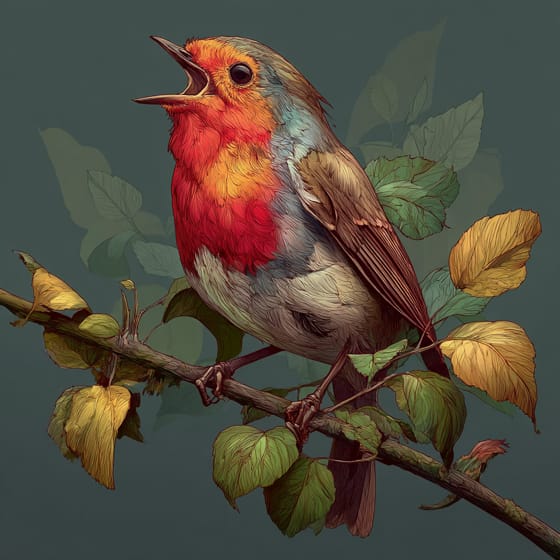
Turdus migratorius
Birds spread seeds after eating the fruit.

Sylvilagus bachmani
Rabbits browse on its leaves and fruits.

Otospermophilus beecheyi
Squirrels eat the sweet, red berries.
A shrub is a woody plant smaller than a tree, typically with multiple stems branching from or near the ground.
Evergreen plants retain their foliage throughout the year, never shedding all their leaves at once.
Fruit-bearing plants produce fruits, which are the mature ovaries of flowering plants containing seeds.
Drought-tolerant plants can survive and flourish in conditions with limited water availability.

Edible plants are those parts of a plant that are considered safe for human consumption.

Describes plants that are particularly attractive and beneficial to a wide range of pollinating organisms.

Rapid growing plants exhibit accelerated growth rates, quickly increasing in size and biomass within a short period.

Coastal habitats are dynamic environments located along the interface between land and sea, influenced by tides, waves, and saltwater.
No aliases listed yet.
Danger
1/5 · Very low
Always wash fruits before eating them, and ask an adult if you're not sure about picking them.
The easiest way to identify beach strawberry is to use the Snappit nature identifier app.
10-30 cm
30-100 cm
1-2 cm
Spring to early Summer
Yes
None
Perennial
Zoom in to split clusters and explore where this object has been snapped.

California, US
You might spot Great Blue Heron, Western Gull, and Coyote.
View guide →

Washington, US
You might spot Rock Pigeon, American Crow, and Olympic Gull.
View guide →

California, US
You might spot Brown Pelican, Snowy Plover, and Sanderling.
View guide →

California, US
You might spot Elk, Northern Elephant Seal, and Button's Banana Slug.
View guide →

California, US
You might spot Western Gull, Sea Lion, and Great Blue Heron.
View guide →

California, US
You might spot Western Gull, Sea Lion, and Great Blue Heron.
View guide →
Take the discovery with you
Snap it with Snappit to identify it, learn what makes it special, and add the discovery to your collection.









.jpg&width=800)



_001.jpg&width=800)


