





Beautiful Hook-tip
Laspeyria flexula
The Beautiful Hook-tip is a lovely moth with unique hook-shaped wings. It blends in with leaves, making it hard to spot in nature. This special insect is a nighttime flyer, fluttering around under the moonlight.
Habitat: Forests
The Beautiful Hook-tip is a small, sooty-grey to brownish-black moth with a velvety appearance. Its forewings feature distinct wavy cross-lines and somewhat angular tips, setting it apart from uniformly dark moths.
Category
InsectsRarity
Common
Danger
1/5 · Very low
Snaps
Be the first to snap!
Adult moths have a special proboscis to sip dew and tree sap for energy.
It belongs to the Erebidae, a huge moth family with over 10,000 species!
Its amazing camouflage helps it hide perfectly on dark tree bark during the day.
Unlike most caterpillars, the young of this moth munch on tiny fungi and lichens, not green leaves!
Beautiful Hook-tip has dark, mottled wings that help them blend perfectly onto tree bark and rocks, hiding from predators.
Its caterpillars can digest lichens and fungi, a rare diet that helps them find food where other insects can't.
Beautiful Hook-tip can fly and find food at night, helping them avoid daytime predators like birds.
Its caterpillars eat fungi and lichens, while adults sip liquids like sap and dew.
Age differences: Larvae eat lichens and fungi; adults primarily sip liquids.
Myotis myotis
Hunts adults during its night flights.
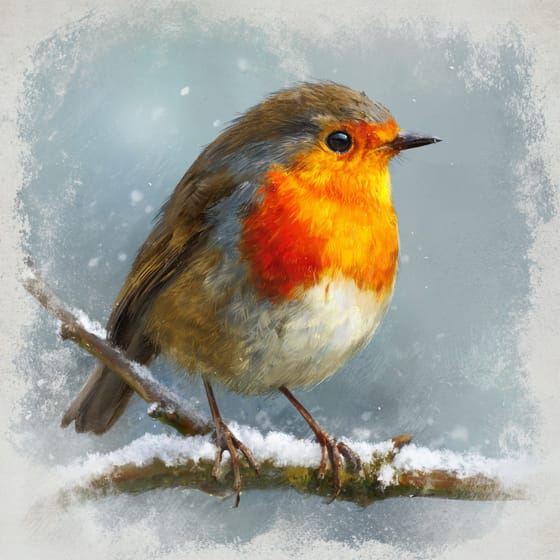
Erithacus rubecula
Forages for moths resting on tree bark.
Xanthoria parietina
Larvae consume this lichen growing on trees.
Parmelia sulcata
Its caterpillars also feed on this widespread lichen.
Camouflaged describes organisms that possess coloring or patterns that allow them to blend into their environment.
Colorful describes organisms or objects displaying a wide range of bright and distinct colors.
This trait characterizes organisms whose diet consists entirely or primarily of plant material.
Forest habitats are terrestrial environments dominated by dense tree cover, supporting a high diversity of plant and animal life.

Nocturnal animals are primarily active during the nighttime hours, typically resting or sleeping during the day.

Describes organisms that transfer pollen, enabling the fertilization and reproduction of plants.
No aliases listed yet.
Danger
1/5 · Very low
Always look but don't touch insects, as some can be delicate.
The easiest way to identify Beautiful Hook-tip is to use the Snappit nature identifier app.
20-25 mm
8-10 mm
10-20 days
Its caterpillars eat fungi and lichens, while adults sip liquids like sap and dew.
Forests
Foraging
6
Zoom in to split clusters and explore where this object has been snapped.
Recent snaps will appear here as new observations are added.
Take the discovery with you
Snap it with Snappit to identify it, learn what makes it special, and add the discovery to your collection.








.jpg&width=800)


