





Beautyberries
Callicarpa
Beautyberries are colorful shrubs that grow small, bright purple berries. They are fun to see in gardens and parks, especially in late summer and fall when they are full of berries!
Habitat: Forests
The Beautyberries has vibrant, metallic purple berries that densely cluster along its stems in autumn, making it instantly recognizable. Its inconspicuous tiny pink or white flowers appear in late spring, followed by broad green leaves that turn yellow or purplish in fall.
Category
PlantsRarity
Common
Danger
1/5 · Very low
Snaps
Be the first to snap!
Early American settlers used beautyberry leaves to keep fleas away from their horses!
Its unique purple berries are often used by florists in stunning autumn arrangements!
Some species of beautyberry produce white berries instead of purple!
The brilliant color of beautyberry fruit actually comes from special pigments called anthocyanins!
Beautyberries has brightly colored berries that attract many bird species, providing a vital food source in late autumn and winter.
Beautyberries can deter insects like mosquitoes, as compounds in its leaves have been traditionally used as a natural repellent.
Beautyberries can thrive in challenging conditions thanks to its deep root system, allowing it to withstand periods of drought.
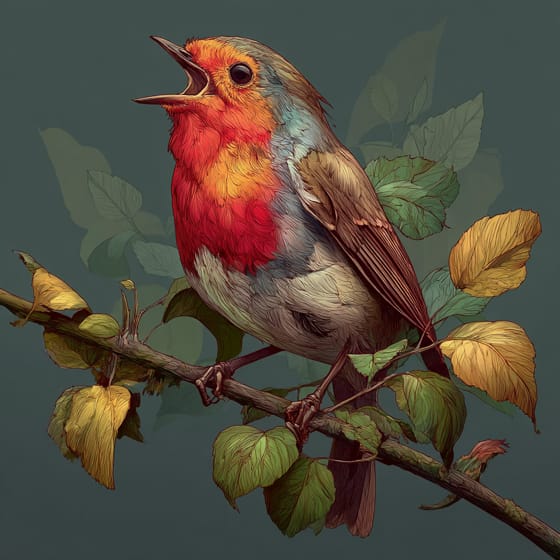
Turdus migratorius
consumes the nutritious berries
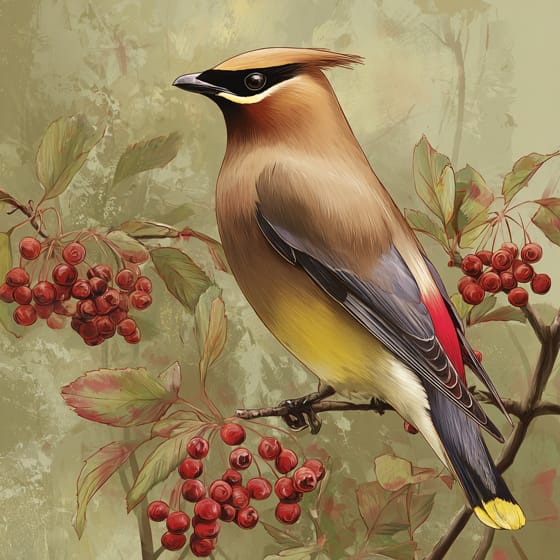
Bombycilla cedrorum
feeds on the abundant fruit clusters
Apis mellifera
visits small flowers for nectar and pollen
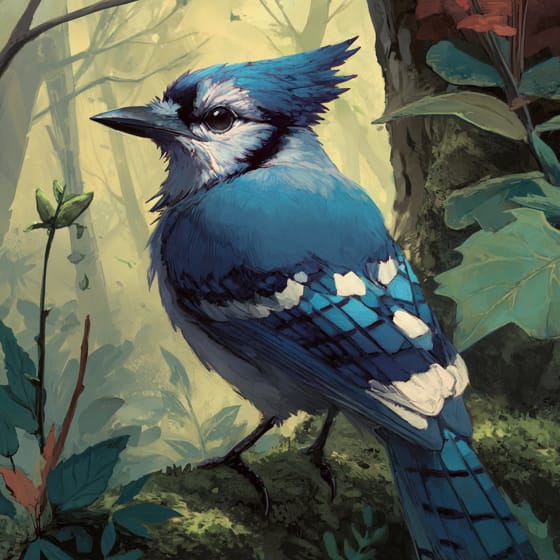
Cyanocitta cristata
forages for the persistent berries
Deciduous plants periodically shed all their leaves, typically during autumn or dry seasons.
A shrub is a woody plant smaller than a tree, typically with multiple stems branching from or near the ground.
Fruit-bearing plants produce fruits, which are the mature ovaries of flowering plants containing seeds.
Colorful describes organisms or objects displaying a wide range of bright and distinct colors.

Fall color refers to the seasonal change in foliage pigmentation, primarily in deciduous plants, displaying vibrant hues.

Describes plants that are particularly attractive and beneficial to a wide range of pollinating organisms.

Forest habitats are terrestrial environments dominated by dense tree cover, supporting a high diversity of plant and animal life.
No aliases listed yet.
Danger
1/5 · Very low
While the berries are safe to touch, it's best not to eat them.
The easiest way to identify Beautyberries is to use the Snappit nature identifier app.
100-300 cm
100-250 cm
0.3-0.5 cm
Late spring to early summer
No
Mild
Perennial
Zoom in to split clusters and explore where this object has been snapped.
Recent snaps will appear here as new observations are added.
Take the discovery with you
Snap it with Snappit to identify it, learn what makes it special, and add the discovery to your collection.







.jpg&width=800)



_001.jpg&width=800)




