





Bedstraws
galium
Bedstraws are fun plants that can grow in fields and forests! Kids love to pick them and use them for crafts or to make tea.
Habitat: They live in fields, meadows, and forests.
The Bedstraws has delicate, often tiny, white or yellow flowers with usually four petals arranged in clusters. Its leaves grow in distinctive whorls (circles) around the stem, which is often square-shaped. Some species have tiny hooks, giving them a clinging texture.
Category
PlantsRarity
Common
Danger
0/5 · No known danger
Snaps
Be the first to snap!
Bedstraws are so widespread, you can find them on almost every continent!
Many bedstraws have stems that are square, not round like most plants!
Some ancient peoples stuffed mattresses with bedstraws for their sweet scent.
Tiny bedstraw seeds can be carried far distances by wind or even animals.
Bedstraws can stick to clothes and fur using tiny hooks on their stems and fruits, helping their seeds travel far.
Bedstraws has leaves arranged in distinct circles around its stem, an unusual pattern that helps maximize sunlight capture.
Some Bedstraws species contain enzymes that can curdle milk, a traditional method for making cheese in ancient times.
Certain Bedstraws roots can produce a vibrant red dye, historically used to color fabrics like wool and cloth.
Apis mellifera
Visits small flowers for nectar.
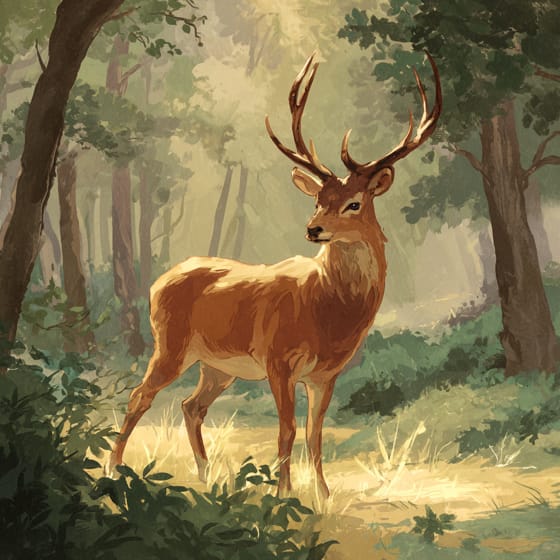
Cervus elaphus
Deer browse on their leaves.

Helix aspersa
Snails graze on leaves.
Ovis aries
Sheep commonly graze on bedstraws.
Social animals live in organized groups, cooperating for survival benefits such as foraging, defense, and raising offspring.
Colorful describes organisms or objects displaying a wide range of bright and distinct colors.
This trait characterizes organisms whose diet consists entirely or primarily of plant material.
Forest habitats are terrestrial environments dominated by dense tree cover, supporting a high diversity of plant and animal life.

Describes organisms that transfer pollen, enabling the fertilization and reproduction of plants.
Danger
0/5 · No known danger
No special safety notes yet.
The easiest way to identify Bedstraws is to use the Snappit nature identifier app.
10-100 cm
20-200 cm
0.1-0.3 cm
Late spring to late summer
Yes
Mild
Perennial
Zoom in to split clusters and explore where this object has been snapped.
Recent snaps will appear here as new observations are added.
Take the discovery with you
Snap it with Snappit to identify it, learn what makes it special, and add the discovery to your collection.








.jpg&width=800)



_001.jpg&width=800)




