





rock polypody
Polypodium virginianum
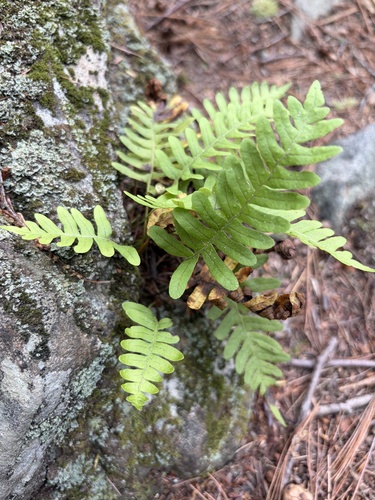
Rock polypody is a small, green fern that loves to grow on rocks and in shady places. Its delicate leaves look like little feathers and can be found in many forests and hills.
Habitat: Forests
The rock polypody has shiny, leathery, evergreen fronds typically 10-30 cm long, divided into many rounded leaflets. Its bright green leaves stand out against the grey rocks and tree trunks it often clings to.
Category
PlantsRarity
Common
Danger
1/5 · Very low
Snaps
22
Its common name, "polypody," means "many feet" because its roots spread widely.
People have used parts of this fern for hundreds of years to make traditional medicines.
Rock polypody fronds stay green all winter long, even under a blanket of snow!
This fern reproduces by tiny spores that look like brown dots on the underside of its leaves!
Rock polypody can grow directly on rocks and tree bark, using strong rhizomes to cling firmly even in harsh conditions.
It has special fronds that can absorb water directly from the air, helping it survive dry spells on exposed surfaces.
The plant's rhizomes taste sweet, acting as a natural antifreeze that helps it endure freezing winter temperatures.
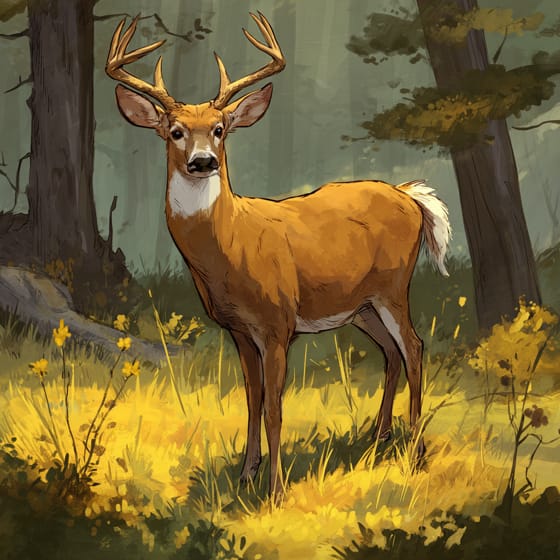
Odocoileus virginianus
Deer might browse its fronds, but it's not a main food source.
Formica fusca
Ants can shelter under its dense fronds, especially on rocks.
Hypnum cupressiforme
This moss often grows closely alongside the fern on rocky surfaces.
Shade tolerant plants are adapted to grow and thrive in areas with low light levels, requiring less direct sunlight.
Evergreen plants retain their foliage throughout the year, never shedding all their leaves at once.
Spore-producing organisms reproduce by releasing small, often single-celled, reproductive units called spores.
Describes organisms that break down dead organic material, recycling nutrients back into the ecosystem.

Forest habitats are terrestrial environments dominated by dense tree cover, supporting a high diversity of plant and animal life.

This trait characterizes organisms with an exceptionally long lifespan compared to others of their kind.
No aliases listed yet.
Danger
1/5 · Very low
Always be gentle with plants and don’t pull them out of the ground.
The easiest way to identify rock polypody is to use the Snappit nature identifier app.
10-30 cm
15-40 cm
Yes
None
Perennial
Forests
Zoom in to split clusters and explore where this object has been snapped.
Jun 6, 2026
Harvard Shaker Village Historic DistrictPhoto attribution
(c) Lythronax246, some rights reserved (CC BY)
License: CC BY 4.0 ↗
Image may be shown cropped inside the card frame.

Massachusetts, US
You might spot Maidenhair Spleenwort and Red Trillium.
View guide →

New York, US
You might spot American Toad and Intermediate Wood Fern.
View guide →

Wisconsin, US
You might spot Eastern Redcedar, Rock Polypody, and Vulture.
View guide →
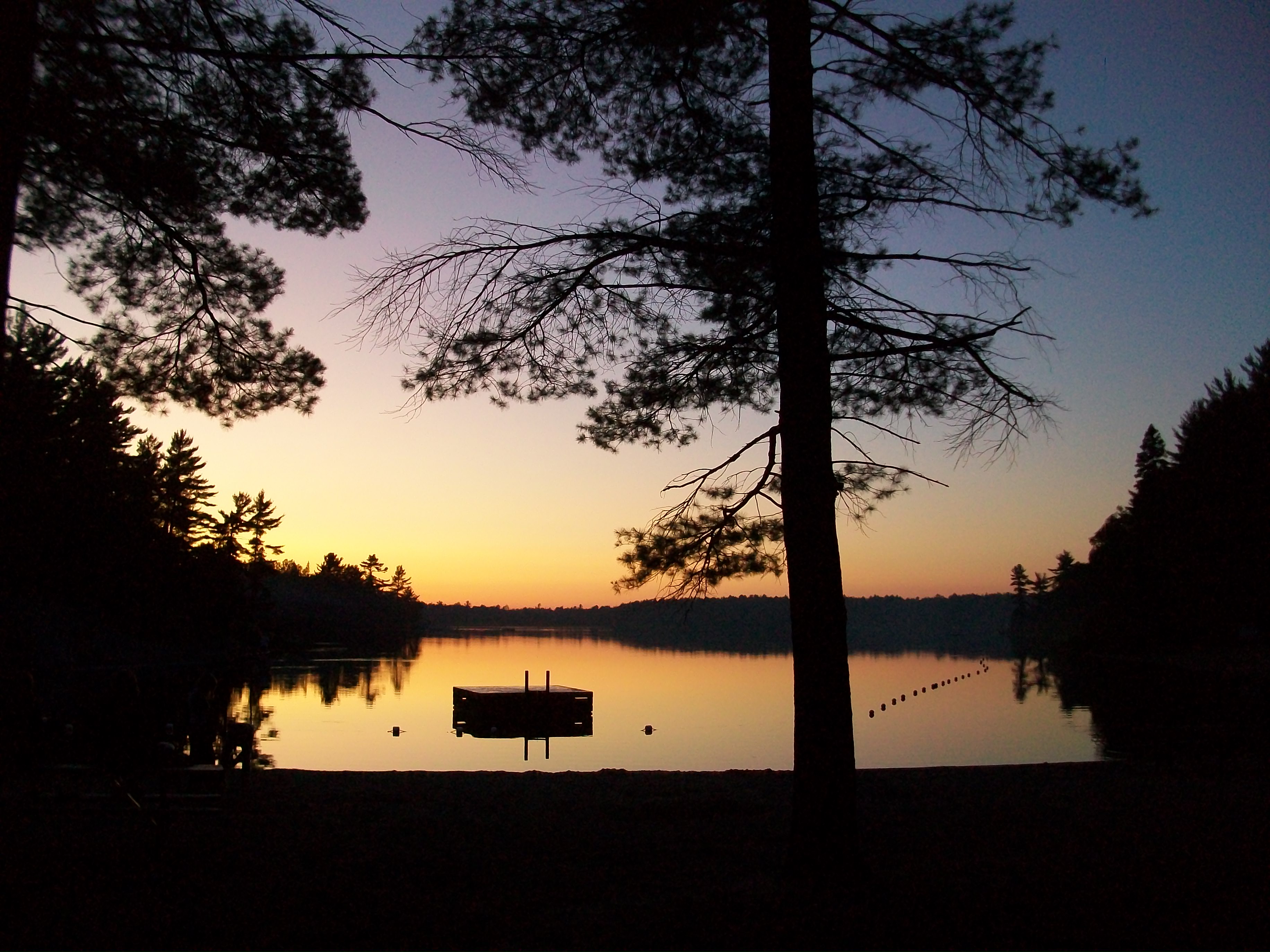
Ontario, CA
You might spot Painted Turtle, Common Watersnake, and Pickerelweed.
View guide →

South Dakota, US
You might spot Brittle Pricklypear and Eastern Redcedar.
View guide →

Connecticut, US
You might spot Ilia and Umber Underwings and Large Yellow Underwing.
View guide →
Take the discovery with you
Snap it with Snappit to identify it, learn what makes it special, and add the discovery to your collection.








.jpg&width=800)



_001.jpg&width=800)

