





Bee-mimic Robber Flies
Laphria
Bee-mimic Robber Flies are cool insects that look like bees! They are fast fliers and love to catch other insects for food. They help keep nature balanced by controlling insect populations.
Habitat: Grasslands
The Bee-mimic Robber Flies has a robust, hairy body often patterned with black and bright yellow or orange, closely resembling a bumblebee. Unlike true bees, they possess only two wings and feature a distinctive bristly 'beard' around their mouthparts, aiding in prey capture.
Category
InsectsRarity
Common
Danger
1/5 · Very low
Snaps
Be the first to snap!
Even though they look tough, Bee-mimic Robber Flies cannot sting like a real bee!
Their babies, called larvae, live in the ground and munch on other insect grubs!
Wow! These flies can inject venom into their prey, paralyzing them almost instantly!
You can find robber flies on every continent in the world, except chilly Antarctica!
Bee-mimic Robber Flies has colors and fuzz that helps them look like dangerous bees, scaring away predators.
Bee-mimic Robber Flies can catch other insects mid-flight with their powerful legs because it helps them secure fast-moving prey.
Bee-mimic Robber Flies has a bristly 'beard' (mystax) that helps protect their face from struggling prey and stings.
Bee-mimic Robber Flies has large compound eyes that help them spot tiny moving insects from far away.
These fierce aerial hunters feast on other insects, catching them with powerful legs mid-flight.
Age differences: Larvae consume other insect larvae in soil or decaying wood, while adults are active aerial hunters.
Apis mellifera
Preys on these bees, despite mimicking them.
Vespula germanica
Captures and consumes these stinging insects.
Musca domestica
An effective predator of common flies.
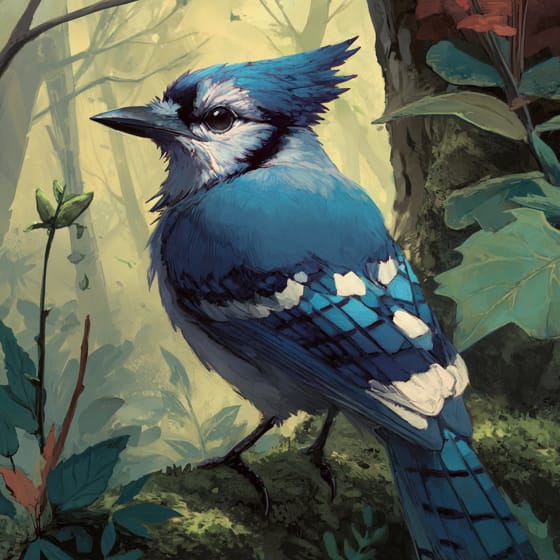
Cyanocitta cristata
Can become a meal for insectivorous birds.
Furry describes animals possessing a dense covering of soft hair or fur.
Solitary animals live alone for most of their lives, only interacting with others for mating or parental care.
Aerial creatures spend a significant portion of their lives airborne, utilizing flight for various activities such as hunting, migration, or nesting.
Grassland habitats are terrestrial biomes dominated by grasses and herbaceous plants, supporting a variety of grazing animals.

An ambush predator hunts by patiently waiting and concealing itself, then launching a sudden attack when unsuspecting prey comes within range.

This trait identifies organisms whose diet consists entirely or primarily of animal tissue.

Diurnal animals are primarily active during daylight hours, typically resting or sleeping at night.

Describes a species whose presence and role have a disproportionately large effect on its environment.

This trait identifies organisms that exhibit exceptional swiftness in movement for hunting, escape, or travel.

Describes organisms that transfer pollen, enabling the fertilization and reproduction of plants.
Danger
1/5 · Very low
Don't touch insects unless you know they are safe. Always observe from a distance.
The easiest way to identify Bee-mimic Robber Flies is to use the Snappit nature identifier app.
20-50 mm
10-25 mm
14-28 days
30 km/h
These fierce aerial hunters feast on other insects, catching them with powerful legs mid-flight.
Grasslands
Ambush
Zoom in to split clusters and explore where this object has been snapped.
Recent snaps will appear here as new observations are added.
Take the discovery with you
Snap it with Snappit to identify it, learn what makes it special, and add the discovery to your collection.






.jpg&width=800)



