





Bell's hinge-back tortoise
Kinixys belliana
Bell's hinge-back tortoise is a special turtle that can hide inside its shell! It has a unique hinge on its back that lets it close up tight when it feels scared. These tortoises are gentle and love to munch on plants.
Habitat: Forests
The Bell's hinge-back tortoise has an elongated, somewhat flattened shell that is usually yellow-brown to dark brown, often with radiating black patterns. Its most distinguishing feature is a unique hinge on the rear of its upper shell (carapace), allowing it to move that section. The skin is yellowish-brown, sometimes speckled.
Category
ReptilesRarity
Common
Danger
1/5 · Very low
Snaps
Be the first to snap!
Bell's hinge-back tortoises can drink water by sucking it up through their nostrils!
Its shell looks like a puzzle with unique patterns that vary greatly between individuals!
They are one of the most widespread tortoises in Africa, living in many different habitats.
This tortoise helps plant new trees by spreading seeds from the fruits it eats.
Bell's hinge-back tortoise can pull down the rear of its shell using a special hinge, protecting its back legs and tail.
Bell's hinge-back tortoise has a varied shell pattern that helps them blend perfectly into dry grasses and leafy environments.
Bell's hinge-back tortoise can burrow into the ground to estivate, helping them survive long periods of drought.
They munch on plants, tasty fruits, and even tiny insects to stay healthy!
Aquila rapax
Juveniles are prey for large birds of prey.
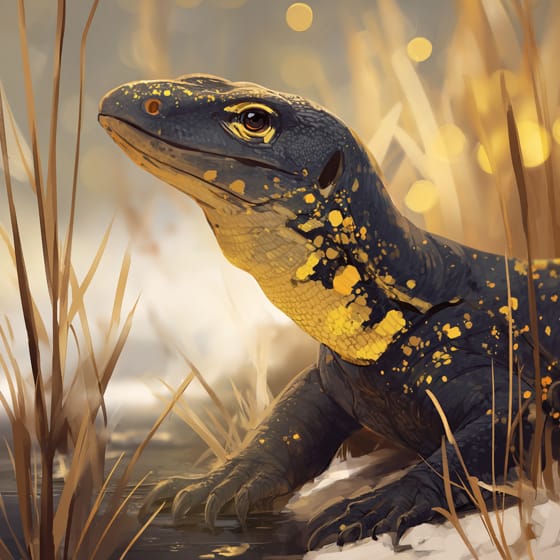
Varanus niloticus
Eggs and young tortoises can be hunted.
Ficus sycomorus
Feeds on fallen fruits and leaves.
Termitomyces schimperi
Known to eat various fungi species.
Solitary animals live alone for most of their lives, only interacting with others for mating or parental care.
Camouflaged describes organisms that possess coloring or patterns that allow them to blend into their environment.
This trait characterizes organisms whose diet consists entirely or primarily of plant material.
Forest habitats are terrestrial environments dominated by dense tree cover, supporting a high diversity of plant and animal life.

This trait characterizes organisms with an exceptionally long lifespan compared to others of their kind.

Armored describes animals protected by a hard, external covering or shell for defense.

Diurnal animals are primarily active during daylight hours, typically resting or sleeping at night.

Endangered status indicates a species is at a very high risk of extinction in the wild in the near future.
No aliases listed yet.
Danger
1/5 · Very low
Always watch from a distance and never touch wild tortoises.
The easiest way to identify Bell's hinge-back tortoise is to use the Snappit nature identifier app.
15-22.5 cm
1-2 kg
20-70 years
0.5 km/h
They munch on plants, tasty fruits, and even tiny insects to stay healthy!
Forests
Foraging
Zoom in to split clusters and explore where this object has been snapped.
Recent snaps will appear here as new observations are added.
Take the discovery with you
Snap it with Snappit to identify it, learn what makes it special, and add the discovery to your collection.













