





Bibio
bibio
Bibio are fascinating little flies that often appear in the spring. They have shiny black bodies and can be seen buzzing around flowers!
Habitat: Bibio can be found in gardens, meadows, and near water sources.
The Bibio is a stout, hairy fly, typically black or dark brown with robust bodies and distinctively smoky or clear wings. Some species have bright orange or red markings on their legs or thorax. They are visually different from houseflies due to their thicker build and often darker wing coloration.
Category
InsectsRarity
Common
Danger
0/5 · No known danger
Snaps
Be the first to snap!
Bibio larvae can live underground for up to a whole year before transforming into adults!
Even though many Bibio fly in spring, some unique species emerge to fly in autumn instead!
Male Bibio often swarm together, looking like tiny flying clouds in the spring!
Some Bibio species are called 'hawthorn flies' after their favorite springtime plant!
Bibio males can gather in huge aerial swarms because this helps them find mates quickly during their short adult lives.
Bibio larvae have strong mouthparts that help them break down dead leaves and plants in the soil, enriching it.
Bibio adults brave cool spring weather to pollinate early flowering plants that other insects might miss.
Adult Bibio usually don't eat, but their larvae are vital decomposers, munching on dead plants.
Age differences: Adults typically do not feed, focusing entirely on reproduction. Larvae are detritivores.

Prunus spinosa
Bibio help pollinate its early spring flowers.
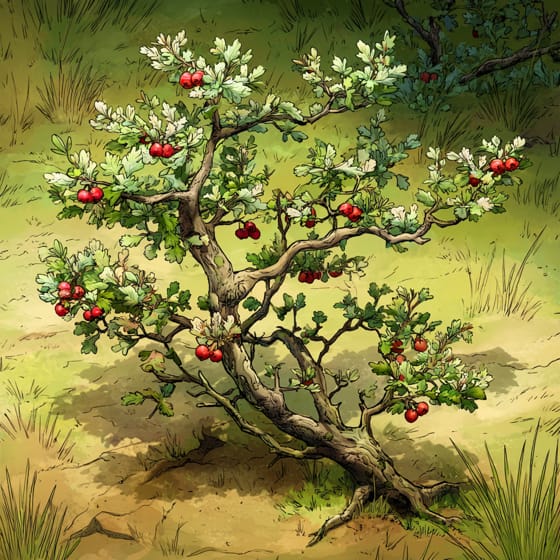
Crataegus monogyna
Bibio are important early pollinators of hawthorn trees.
Salix caprea
Bibio visit and pollinate early spring willow catkins.
%2C_Parc_de_Woluw%C3%A9%2C_Brussels_(13042792905).jpg&width=800)
Parus major
Adult Bibio are a food source for many insectivorous birds.
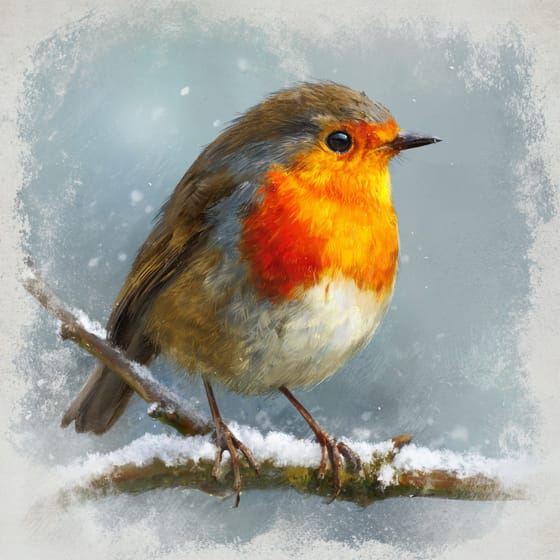
Erithacus rubecula
Robins feed on Bibio, especially during their spring emergence.
Social animals live in organized groups, cooperating for survival benefits such as foraging, defense, and raising offspring.
Colorful describes organisms or objects displaying a wide range of bright and distinct colors.
Forest habitats are terrestrial environments dominated by dense tree cover, supporting a high diversity of plant and animal life.
Diurnal animals are primarily active during daylight hours, typically resting or sleeping at night.

Describes organisms that transfer pollen, enabling the fertilization and reproduction of plants.
Danger
0/5 · No known danger
No special safety notes yet.
The easiest way to identify Bibio is to use the Snappit nature identifier app.
8-25 mm
4-12 mm
3-10 days
8 km/h
Adult Bibio usually don't eat, but their larvae are vital decomposers, munching on dead plants.
Bibio can be found in gardens, meadows, and near water sources.
Foraging
Zoom in to split clusters and explore where this object has been snapped.
Recent snaps will appear here as new observations are added.
Take the discovery with you
Snap it with Snappit to identify it, learn what makes it special, and add the discovery to your collection.








.jpg&width=800)


