





Double-striped Bluet
Enallagma basidens
The Double-striped Bluet is a small, beautiful dragonfly with bright blue colors and two black stripes on its body. These friendly insects love to flutter around ponds and streams, making them fun to watch!
Habitat: Wetlands
The Double-striped Bluet is a slender damselfly, usually with a bright blue and black body. Males are predominantly blue with two distinct pale stripes along their black thorax. Females often appear duller, with greenish or brownish markings instead of bright blue.
Category
InsectsRarity
Common
Danger
1/5 · Very low
Snaps
8
A Double-striped Bluet can swivel its head almost 180 degrees to spot tiny flying bugs!
Their babies, called nymphs, live underwater for months or even years before transforming!
These damselflies form a unique 'mating wheel' shape during reproduction!
They are excellent pest controllers, gobbling up hundreds of mosquitos in their lifetime!
Double-striped Bluet has huge compound eyes that help them spot tiny flying prey from far away with incredible detail.
Double-striped Bluet nymphs can breathe underwater using special gills, allowing them to hunt and grow in aquatic habitats.
Double-striped Bluet can hover and dart quickly because of its four independently controlled wings, making it a master flyer.
They gobble up tiny flying insects like mosquitos, and their young eat underwater bugs!
Age differences: Nymphs hunt small aquatic invertebrates, while adults prey on flying insects.
Culex pipiens
Adults prey on this mosquito.
Chironomus plumosus
Adults hunt these soft-bodied insects.
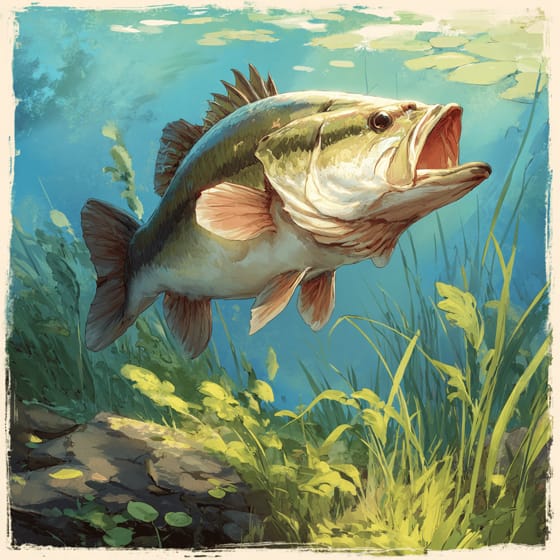
Micropterus salmoides
Nymphs are a food source for fish.
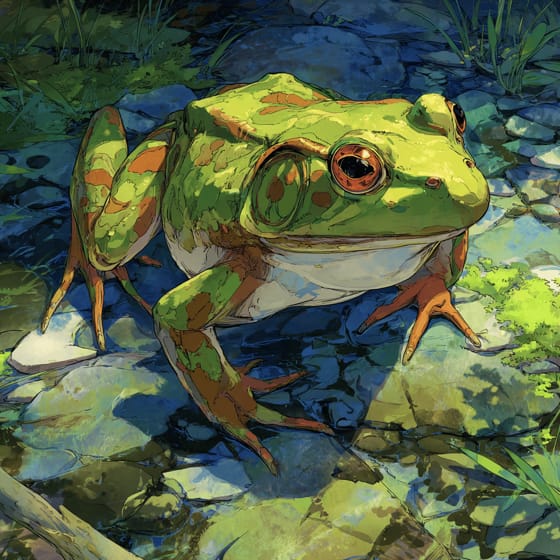
Lithobates catesbeianus
Adults are preyed upon by frogs.
Marked with parallel bands or lines of color.
Social animals live in organized groups, cooperating for survival benefits such as foraging, defense, and raising offspring.
Aerial creatures spend a significant portion of their lives airborne, utilizing flight for various activities such as hunting, migration, or nesting.
Colorful describes organisms or objects displaying a wide range of bright and distinct colors.

This trait identifies organisms whose diet primarily consists of insects and other small invertebrates.

This habitat trait identifies species found in wetlands, which are areas of land saturated with water, either permanently or seasonally, including marshes, swamps, and bogs.

Diurnal animals are primarily active during daylight hours, typically resting or sleeping at night.

Freshwater habitats include non-saline aquatic environments such as rivers, lakes, ponds, and wetlands, vital for numerous species.

This trait identifies organisms that exhibit exceptional swiftness in movement for hunting, escape, or travel.

Describes organisms that transfer pollen, enabling the fertilization and reproduction of plants.
No aliases listed yet.
Danger
1/5 · Very low
Be gentle and watch from a distance. Don't try to catch them!
The easiest way to identify Double-striped Bluet is to use the Snappit nature identifier app.
30-45 mm
25-35 mm
20-60 days
5-10 km/h
They gobble up tiny flying insects like mosquitos, and their young eat underwater bugs!
Wetlands
Pursuit
Zoom in to split clusters and explore where this object has been snapped.
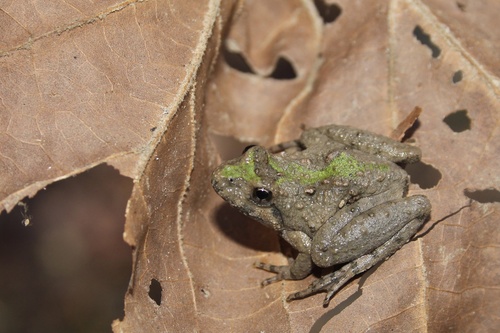
Maryland, US
You might spot Northern Cricket Frog and Common Whitetail.
View guide →

Ohio, US
You might spot Widow Skimmer, Eastern Pondhawk, and Bee.
View guide →

New Mexico, US
You might spot Vermilion Flycatcher, Turkey, and American Rubyspot.
View guide →

Ohio, US
You might spot Pond Slider, Spotted Spreadwing, and Monarch.
View guide →

Texas, US
You might spot Leonora's Dancer and Ornate Tree Lizard.
View guide →

Virginia, US
You might spot Common Five-Lined Skink and Eastern Carpenter Bee.
View guide →
Take the discovery with you
Snap it with Snappit to identify it, learn what makes it special, and add the discovery to your collection.








.jpg&width=800)



