_Bog_River%2C_St_Lawrence_Co%2C_N_Y%2C_July%2C_1912.jpeg&width=800)





Big Water Crayfish
cambarus robustus
The Big Water Crayfish is a fun and colorful creature that loves to hide under rocks in streams! They're great at cleaning up the water by eating dead plants and animals.
Habitat: Freshwater rivers and streams, often hiding under rocks and logs.
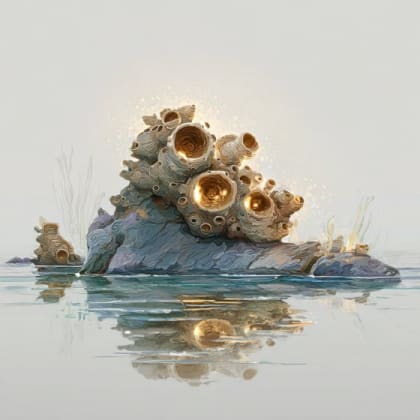
The Big Water Crayfish has a robust, dark brown to olive body, often with reddish tints, and can grow quite large. It is easily recognized by its powerful, often reddish-tipped claws that are proportionally bigger than other crayfish species.
Category
InvertebrateRarity
Common
Danger
1/5 · Very low
Snaps
Be the first to snap!
Crayfish blood is colorless until it touches air, then it dramatically turns blue!
Some crayfish eat their own molted shells to regain lost calcium and nutrients!
They build elaborate burrows in mud, sometimes with multiple escape tunnels for safety!
They walk forward, but can swim backwards incredibly fast with a powerful tail flip!
Big Water Crayfish can regrow lost claws or legs because of their incredible regenerative cells that help them recover from injuries.
Big Water Crayfish has strong claws that help them crush small prey, defend against predators, and even dig burrows effectively.
Big Water Crayfish can quickly arch and snap their tails because this rapid movement propels them backwards to escape danger fast.
This omnivore eats almost anything it finds, from plants to tiny creatures and decaying bits!
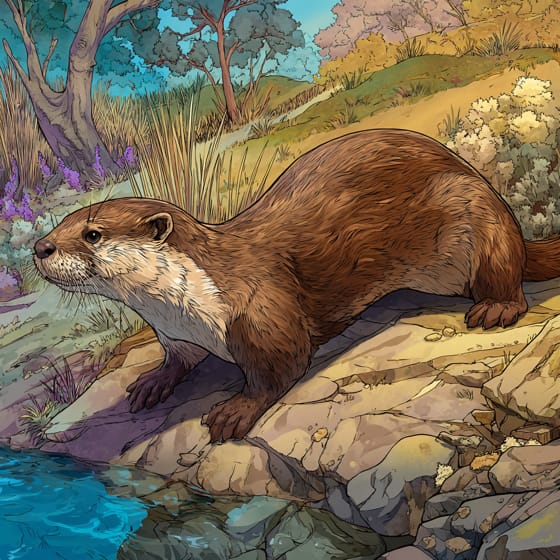
Lontra canadensis
A favorite food for river otters.
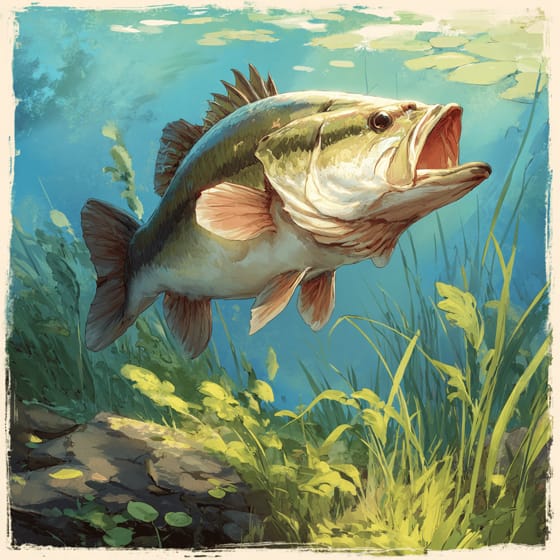
Micropterus salmoides
A primary prey item for large bass.

Procyon lotor
Raccoons often hunt them along water edges.
Chironomus plumosus
Consumes many types of aquatic insect larvae.
Solitary animals live alone for most of their lives, only interacting with others for mating or parental care.
Colorful describes organisms or objects displaying a wide range of bright and distinct colors.
This trait identifies organisms whose diet consists entirely or primarily of animal tissue.
Freshwater habitats include non-saline aquatic environments such as rivers, lakes, ponds, and wetlands, vital for numerous species.

Aquatic habitats encompass environments where organisms live predominantly in water, including oceans, rivers, lakes, and wetlands.
No aliases listed yet.
Danger
1/5 · Very low
Always wash your hands after touching any wild creature.
The easiest way to identify Big Water Crayfish is to use the Snappit nature identifier app.
10-18 cm
50-150 g
3-7 years
This omnivore eats almost anything it finds, from plants to tiny creatures and decaying bits!
Freshwater rivers and streams, often hiding under rocks and logs.
Foraging
Zoom in to split clusters and explore where this object has been snapped.
Recent snaps will appear here as new observations are added.
Take the discovery with you
Snap it with Snappit to identify it, learn what makes it special, and add the discovery to your collection.