





Black Locust Leafminer
Macrosaccus robiniella
The Black Locust Leafminer is a tiny insect that loves to munch on the leaves of black locust trees. It makes little tunnels inside the leaves, which can look like tiny mazes!
Habitat: Forests
The Black Locust Leafminer is a tiny moth, usually 3-5mm long, with silvery-white forewings adorned with dark spots and a coppery sheen. Its hindwings are slender and heavily fringed. This distinct pattern helps distinguish it from other small moths.
Category
InsectsRarity
Common
Danger
1/5 · Very low
Snaps
Be the first to snap!
Did you know leafminer larvae live their whole lives *inside* a leaf? Wow!
Some black locust trees can host hundreds of these tiny leafminers at once!
The adult moths are so small, you might mistake them for a speck of dust!
They create winding "galleries" inside leaves, like tiny secret tunnels!
Black Locust Leafminers can chew tunnels inside leaves because it helps them stay hidden from predators and eat safely.
Larvae have flat, pale bodies that help them blend perfectly with the inside of a leaf, making them hard to spot.
Black Locust Leafminers can digest the tough and slightly toxic leaves of black locust trees that many other insects avoid.
These tiny insects munch on the soft parts of black locust leaves as larvae.
Age differences: Larvae feed exclusively on leaves; adults do not feed or consume very little nectar.
Robinia pseudoacacia
Larvae feed inside the leaves of this tree.
Pnigalio flavipes
Larvae are often parasitized by tiny wasps.
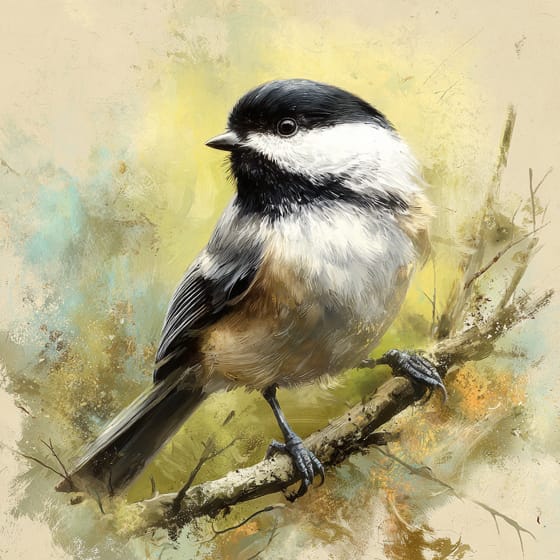
Poecile atricapillus
Small birds often pluck them from leaves.
Solitary animals live alone for most of their lives, only interacting with others for mating or parental care.
This trait characterizes organisms whose diet consists entirely or primarily of plant material.
Forest habitats are terrestrial environments dominated by dense tree cover, supporting a high diversity of plant and animal life.
Pertaining to species that are significantly smaller than typical or average for their kind.
No aliases listed yet.
Danger
1/5 · Very low
It's best to look at insects from a distance and not touch them, as they can be delicate.
The easiest way to identify Black Locust Leafminer is to use the Snappit nature identifier app.
4-7 mm
3-5 mm
30-60 days
These tiny insects munch on the soft parts of black locust leaves as larvae.
Forests
Foraging
6
Zoom in to split clusters and explore where this object has been snapped.
Recent snaps will appear here as new observations are added.
Take the discovery with you
Snap it with Snappit to identify it, learn what makes it special, and add the discovery to your collection.









.jpg&width=800)



