




Blow Flies
Calliphoridae
Blow flies are shiny, buzzing insects that help clean up nature by eating dead animals. They are often seen around garbage and can be found in many places!
Habitat: Urban areas
The Blow Fly has a robust body, often with a striking metallic sheen in shades of blue, green, or copper. Their large, reddish-brown compound eyes and bristly thorax make them easily distinguishable from other flies.
Category
InsectsRarity
Common
Danger
1/5 · Very low
Snaps
Be the first to snap!
Blow flies can help scientists figure out how long a crime victim has been deceased!
Blow flies help pollinate some plants, especially those with stinky flowers, like the corpse flower!
Some tiny blow fly larvae are used by doctors to clean wounds, eating only dead tissue!
Their amazing sense of smell is so good, it can detect a tiny bit of carrion from afar!
Blow Flies can locate decaying matter from surprising distances quickly, helping them find food and egg-laying sites efficiently.
Blow Flies have incredibly fast larval development, allowing maggots to grow and pupate in just a few days.
Blow Flies can perform agile maneuvers in flight, darting, hovering, and changing direction swiftly to avoid predators.
Adults sip nectar and decaying liquids, while larvae feast on rotting organic matter and carrion.
Age differences: Larvae eat decaying organic matter; adults feed on liquids like nectar or decaying fluids.
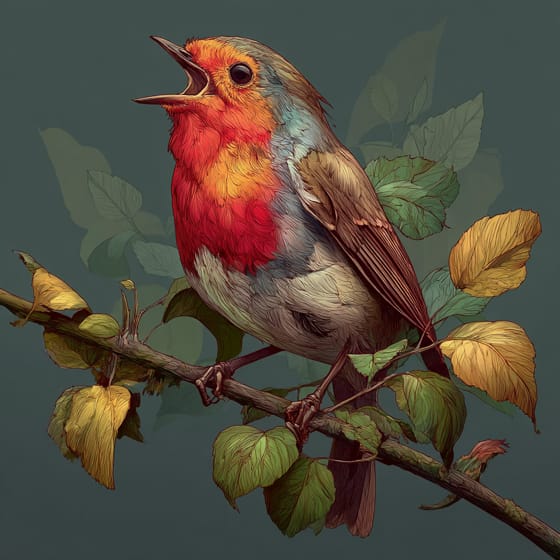
Turdus migratorius
Robins eat adult flies for protein.
Ovis aries
Some blow fly larvae cause 'sheep strike' by feeding on living tissue.
Rafflesia arnoldii
Flies are attracted to its smell and carry pollen.
Social animals live in organized groups, cooperating for survival benefits such as foraging, defense, and raising offspring.
Scavengers consume dead organic matter, helping to decompose carcasses and other waste in the ecosystem.
Colorful describes organisms or objects displaying a wide range of bright and distinct colors.
Describes organisms that break down dead organic material, recycling nutrients back into the ecosystem.

Diurnal animals are primarily active during daylight hours, typically resting or sleeping at night.

This trait identifies organisms that exhibit exceptional swiftness in movement for hunting, escape, or travel.

This habitat trait indicates species that can coexist with humans in urban and suburban environments, utilizing man-made structures and green spaces.

Describes organisms that transfer pollen, enabling the fertilization and reproduction of plants.
Danger
1/5 · Very low
Don't touch or bother flies, as they can carry germs.
The easiest way to identify Blow Flies is to use the Snappit nature identifier app.
12-30 mm
6-16 mm
15-45 days
24 km/h
Adults sip nectar and decaying liquids, while larvae feast on rotting organic matter and carrion.
Urban areas
Scavenging
Zoom in to split clusters and explore where this object has been snapped.
Recent snaps will appear here as new observations are added.
Take the discovery with you
Snap it with Snappit to identify it, learn what makes it special, and add the discovery to your collection.








.jpg&width=800)



