_couple_(32611106035).jpg&width=800)





blue crane
Anthropoides paradiseus
The blue crane is a tall and graceful bird with beautiful blue-gray feathers. It dances to impress its friends and can be found in open grasslands and wetlands.
Habitat: Grasslands and wetlands
The blue crane is a tall bird with a stately grey-blue body, a large head, and a long neck. It has elegant, trailing black primary feathers that sweep the ground, and a pinkish bill with grey-pink legs, giving it a distinctive dignified appearance.
Category
BirdsRarity
Rare
Danger
1/5 · Very low
Snaps
Be the first to snap!
Blue cranes spend almost all their time walking on the ground, even for sleeping!
Blue cranes swallow tiny stones called gastroliths to help them digest tough seeds!
The males and females look so alike that telling them apart is very tricky!
Their loud, trumpeting calls can be heard up to a mile away across the plains!
Blue cranes can perform intricate, high-jumping courtship dances that help them attract a mate and strengthen their pair bond.
Blue cranes have a long, coiled windpipe that acts like a natural amplifier, helping them produce loud, far-carrying calls.
The blue crane's grey-blue plumage helps it blend seamlessly into the open grasslands and fields where it hunts for food.
These birds are omnivores, eating a mix of seeds, grains, insects, and small vertebrates.
Canis mesomelas
predator of blue crane eggs and chicks
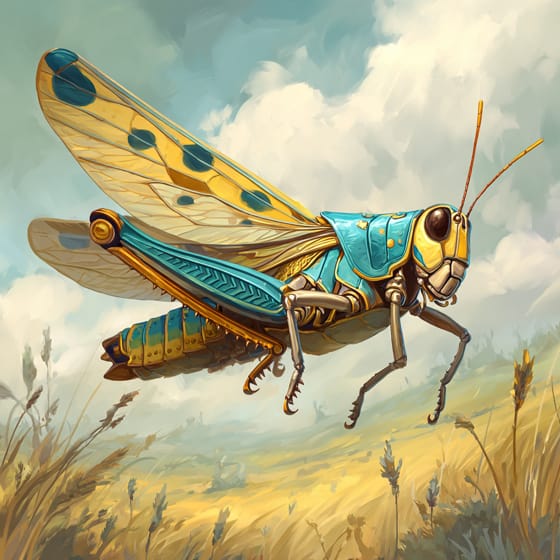
Locusta migratoria
feeds on this common grassland insect
Triticum aestivum
consumes fallen grains in farmlands
Aquila rapax
can prey on juvenile blue cranes
Feathered describes animals, primarily birds, possessing a covering of feathers.
Social animals live in organized groups, cooperating for survival benefits such as foraging, defense, and raising offspring.
Colorful describes organisms or objects displaying a wide range of bright and distinct colors.
Grassland habitats are terrestrial biomes dominated by grasses and herbaceous plants, supporting a variety of grazing animals.

This trait characterizes organisms whose diet consists entirely or primarily of plant material.

This trait characterizes organisms with an exceptionally long lifespan compared to others of their kind.

This habitat trait identifies species found in wetlands, which are areas of land saturated with water, either permanently or seasonally, including marshes, swamps, and bogs.

Diurnal animals are primarily active during daylight hours, typically resting or sleeping at night.

Migratory animals undertake seasonal movements from one region to another, typically in response to changes in climate or food availability.

Endangered status indicates a species is at a very high risk of extinction in the wild in the near future.
No aliases listed yet.
Danger
1/5 · Very low
Always watch birds from a distance and don't try to touch them.
The easiest way to identify blue crane is to use the Snappit nature identifier app.
100-120 cm
180-200 cm
3.6-6.2 kg
20-25 years
70 km/h
These birds are omnivores, eating a mix of seeds, grains, insects, and small vertebrates.
Grasslands and wetlands
Zoom in to split clusters and explore where this object has been snapped.
Recent snaps will appear here as new observations are added.
Take the discovery with you
Snap it with Snappit to identify it, learn what makes it special, and add the discovery to your collection.





.jpg&width=800)






