





Red-eyed Vireo
Vireo olivaceus
The Red-eyed Vireo is a small bird known for its bright red eyes and cheerful singing. It loves to hop around in trees and can often be found in forests and gardens.
Habitat: Forests
The Red-eyed Vireo has an olive-green back, white belly, and a distinctive gray cap. Its most striking feature is a prominent red eye, framed by a white stripe above and a dark line through the eye. This small bird's neat plumage makes it look quite tidy.
Category
BirdsRarity
Common
Danger
1/5 · Very low
Snaps
14
Dedicated parents make over 40 trips an hour to feed their hungry nestlings!
It's a vocal champion, singing over 20,000 songs daily to defend its territory!
Its striking red eyes are a unique feature, giving this bird its common name.
They journey thousands of miles to South America each fall, an epic migration feat!
Red-eyed Vireo has incredible stamina that helps them fly thousands of kilometers between continents each year.
Red-eyed Vireo can sing almost continuously because its complex song helps them defend territory and attract mates.
Red-eyed Vireo can expertly forage for insects among leaves because its keen eyesight helps them spot tiny prey.
Tiny insects, caterpillars, and tasty berries make up its main meals.
Age differences: Young birds eat mostly insects, while adults add more berries, especially before migration.
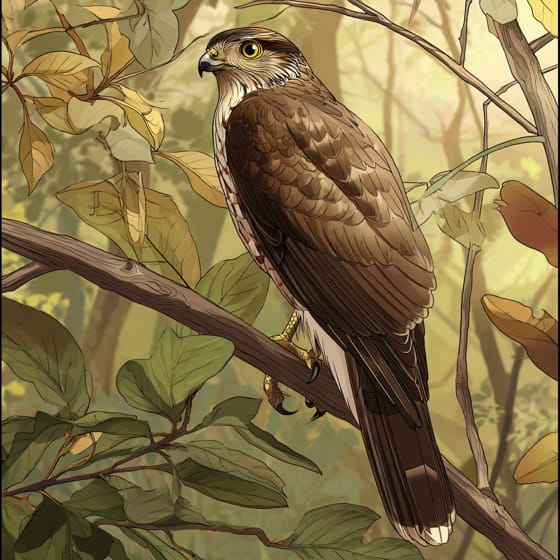
Accipiter cooperii
Hunts vireos and other small birds in woodlands.
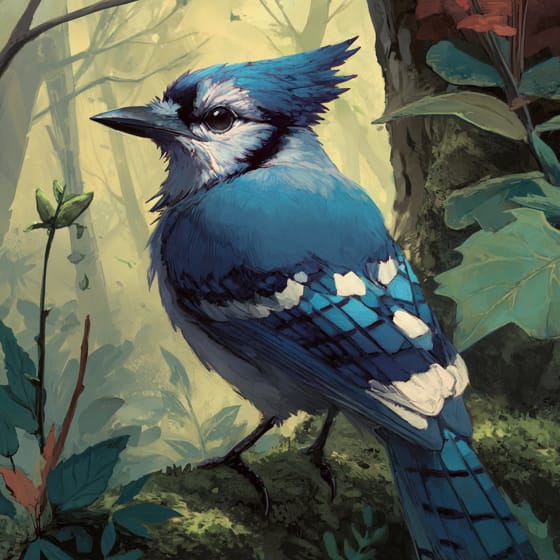
Cyanocitta cristata
Known to raid nests, eating eggs and nestlings.
Malacosoma americanum
Consumes many forest insects, helping to control pest populations.
.jpg&width=800)
Molothrus ater
Lays its eggs in vireo nests, tricking them into raising cowbird chicks.
Feathered describes animals, primarily birds, possessing a covering of feathers.
Social animals live in organized groups, cooperating for survival benefits such as foraging, defense, and raising offspring.
Singing animals produce complex vocalizations, often for purposes of attracting mates, defending territory, or communicating within their species.
This trait identifies organisms whose diet primarily consists of insects and other small invertebrates.

Forest habitats are terrestrial environments dominated by dense tree cover, supporting a high diversity of plant and animal life.

Diurnal animals are primarily active during daylight hours, typically resting or sleeping at night.

Migratory animals undertake seasonal movements from one region to another, typically in response to changes in climate or food availability.
No aliases listed yet.
Danger
1/5 · Very low
Always watch birds from a distance and don't try to touch them.
The easiest way to identify Red-eyed Vireo is to use the Snappit nature identifier app.
12-14 cm
23-25 cm
0.012-0.026 kg
5-8 years
35 km/h
Tiny insects, caterpillars, and tasty berries make up its main meals.
Forests
Zoom in to split clusters and explore where this object has been snapped.

New York, US
You might spot Allegheny Mountain Dusky Salamander.
View guide →
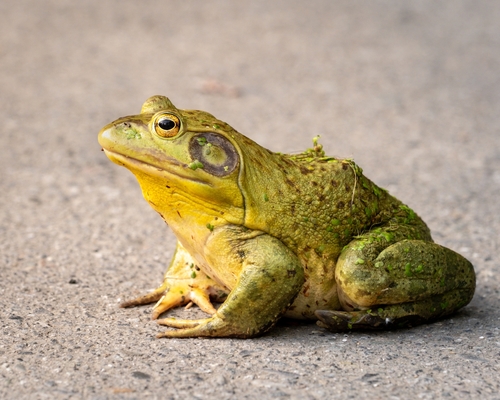
Virginia, US
You might spot American Bullfrog, Snapping Turtle, and Great Blue Heron.
View guide →

Kansas, US
You might spot American Robin, Monarch, and Italian Wall Lizard.
View guide →
Virginia, US
You might spot American Bullfrog, Snapping Turtle, and Great Blue Heron.
View guide →
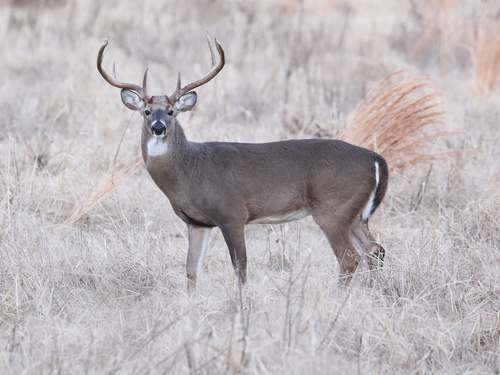
Ohio, US
You might spot White-Tailed Deer, Mayapple, and American Beech.
View guide →

Connecticut, US
You might spot Osprey, Monarch, and Common Reed.
View guide →
Take the discovery with you
Snap it with Snappit to identify it, learn what makes it special, and add the discovery to your collection.




.jpg&width=800)







