





Blue-fronted Lorikeet
Charmosyna toxopei
The Blue-fronted Lorikeet is a colorful bird with bright blue and green feathers. They love to eat nectar from flowers and can be found in the rainforests of New Guinea.
Habitat: Rainforests
The Blue-fronted Lorikeet is a small, vibrant green parrot with a distinctive bright blue forehead patch. It also has a yellow stripe on its back and a striking red underside to its wings, which is often visible in flight. This combination of colors helps it stand out among other small forest birds.
Category
BirdsRarity
Rare
Danger
1/5 · Very low
Snaps
Be the first to snap!
Baby lorikeets are born completely blind and featherless!
These tiny parrots can fly incredibly fast through dense forest canopies!
They help pollinate flowers as they dart between blooms drinking nectar!
They sleep huddled together in tree hollows for warmth and safety.
Blue-fronted Lorikeet has a special brush-tipped tongue that helps them sip nectar from flowers like a tiny, efficient straw.
Blue-fronted Lorikeet can cling upside down to flowers because of their strong claws, that helps them access sugary nectar.
Blue-fronted Lorikeet has bright green feathers that helps them blend perfectly with the lush leaves of their rainforest home.
These small, colorful birds primarily feast on sweet nectar and pollen from rainforest flowers.
Hibiscus tiliaceus
Visits flowers for nectar, inadvertently spreading pollen.
Eugenia reinwardtiana
Feeds on the sweet fruits and berries of this tree.
Accipiter hiogaster
A swift raptor that preys on small birds like lorikeets.
Feathered describes animals, primarily birds, possessing a covering of feathers.
Social animals live in organized groups, cooperating for survival benefits such as foraging, defense, and raising offspring.
Colorful describes organisms or objects displaying a wide range of bright and distinct colors.
This trait characterizes organisms whose diet consists entirely or primarily of plant material.

This habitat trait refers to species found in tropical rainforests, characterized by high annual rainfall, high biodiversity, and dense tree cover.

Diurnal animals are primarily active during daylight hours, typically resting or sleeping at night.

Threatened status denotes a species likely to become endangered in the foreseeable future without effective conservation interventions.

Describes organisms that transfer pollen, enabling the fertilization and reproduction of plants.
No aliases listed yet.
Danger
1/5 · Very low
Always watch birds from a distance and do not try to touch them.
The easiest way to identify Blue-fronted Lorikeet is to use the Snappit nature identifier app.
16-17 cm
25-28 cm
0.02-0.03 kg
10-15 years
These small, colorful birds primarily feast on sweet nectar and pollen from rainforest flowers.
Rainforests
Foraging
Zoom in to split clusters and explore where this object has been snapped.
Recent snaps will appear here as new observations are added.

Florida, US
You might spot Giraffes, European Rhinoceros Beetle, and Zebra.
View guide →

Kentucky, US
You might spot Polar Bear, Grizzly Bear, and Gorilla.
View guide →
Oklahoma, US
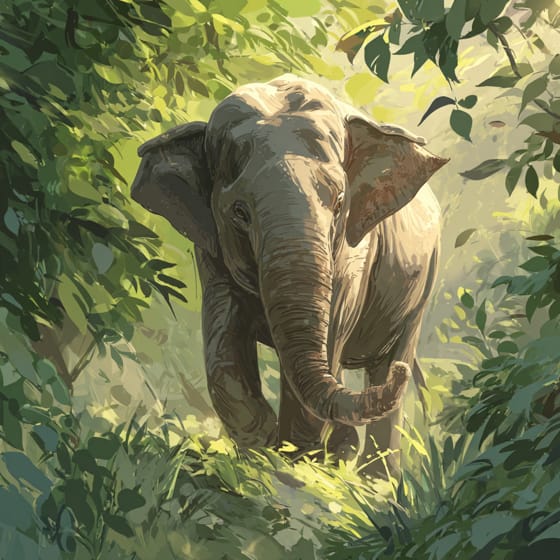
You might spot Asian Elephant, Giraffes, and African Lion.
View guide →
.jpeg&width=800)
Tennessee, US
You might spot Mainland Clouded Leopard, Spectacled Bear, and Tiger.
View guide →

US
You might spot Sea Otter, Magellanic Penguin, and Zebra Shark.
View guide →

Virginia, US
You might spot Clydesdale Horse, Highland Cattle, and Sheep.
View guide →
Take the discovery with you
Snap it with Snappit to identify it, learn what makes it special, and add the discovery to your collection.




.jpg&width=800)








