





Western Sandpiper
Calidris mauri
The Western Sandpiper is a small, quick bird that loves to run along the beach looking for tiny bugs and worms to eat. They have long legs and a pointed beak that helps them dig in the sand.
Habitat: Coastal areas
The Western Sandpiper is a small shorebird with dark legs and a short, slightly drooping black bill. In breeding season, it has reddish-brown patches on its back and streaky brown markings on its breast. In winter, it appears much plainer and grayer above with a white belly.
Category
BirdsRarity
Common
Danger
1/5 · Very low
Snaps
6
Their tiny chicks can leave the nest and find food just hours after hatching!
Their toes are slightly webbed, which helps them walk on soft mud!
They often forage with a distinctive 'sewing machine' head-bobbing motion!
Western Sandpipers make a high-pitched 'kreep' sound, like a squeaky toy!
Western Sandpiper can find hidden worms and crustaceans by feeling them with nerve endings in its bill, even without seeing them.
Western Sandpiper can drink salty water because specialized glands remove excess salt from its blood, helping it survive harsh coastal environments.
Western Sandpiper has incredible synchronized flight, helping large flocks confuse predators and efficiently find food.
Western Sandpipers feast on tiny worms and crustaceans found in mud and sand along the shore.
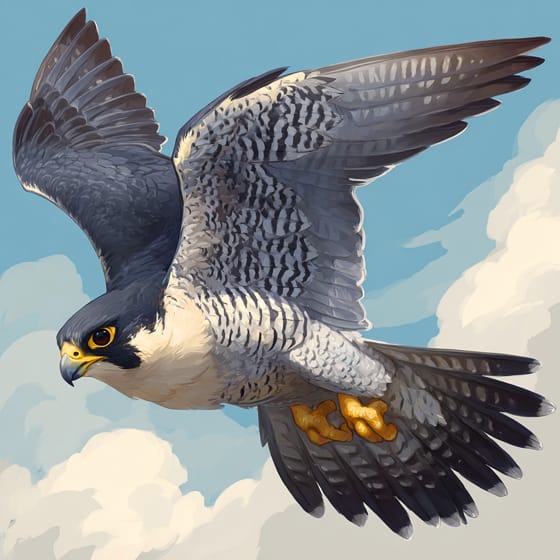
Falco peregrinus
A swift hunter, preying on migrating sandpipers along the coast.
Corophium volutator
Feeds on these small crustaceans hidden in the soft intertidal mud.

Zostera marina
Eelgrass beds provide shelter and food for the small invertebrates it eats.
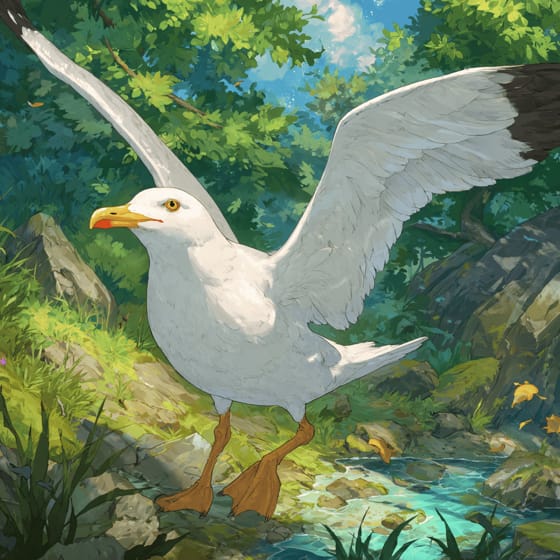
Larus argentatus
These opportunistic gulls may snatch sandpipers, especially injured ones.
Feathered describes animals, primarily birds, possessing a covering of feathers.
Social animals live in organized groups, cooperating for survival benefits such as foraging, defense, and raising offspring.
Camouflaged describes organisms that possess coloring or patterns that allow them to blend into their environment.
This trait identifies organisms whose diet primarily consists of insects and other small invertebrates.

Coastal habitats are dynamic environments located along the interface between land and sea, influenced by tides, waves, and saltwater.

This trait identifies organisms that exhibit exceptional swiftness in movement for hunting, escape, or travel.

Migratory animals undertake seasonal movements from one region to another, typically in response to changes in climate or food availability.
No aliases listed yet.
Danger
1/5 · Very low
Always watch birds from a distance and don't try to catch them.
The easiest way to identify Western Sandpiper is to use the Snappit nature identifier app.
13-17 cm
35-37 cm
0.02-0.035 kg
10-12 years
65 km/h
Western Sandpipers feast on tiny worms and crustaceans found in mud and sand along the shore.
Coastal areas
Zoom in to split clusters and explore where this object has been snapped.

California, US
You might spot Snowy Egret, Great Blue Heron, and Willet.
View guide →

California, US
You might spot American Avocet, Great Egret, and Snowy Egret.
View guide →

Louisiana, US
You might spot Pectoral Sandpiper, Sprague's Pipit, and Anole.
View guide →

California, US
You might spot Brown Pelican, Snowy Plover, and Sanderling.
View guide →

Oregon, US
You might spot Western Ponderosa Pine and Red-Winged Blackbird.
View guide →

British Columbia, CA
You might spot Greater Yellowlegs and Glaucous-Winged Gull.
View guide →
Take the discovery with you
Snap it with Snappit to identify it, learn what makes it special, and add the discovery to your collection.




.jpg&width=800)









