%2C_Kgalagadi%2C_South_Africa_(6526355327).jpg&width=800)





Lappet-Faced Vulture
torgos tracheliotos
The Lappet-Faced Vulture is a large bird with a unique and colorful appearance. They have a special role in nature by helping to clean up the environment by eating dead animals!
Habitat: Savannas and open grasslands in Africa.
The Lappet-Faced Vulture is a massive bird with dark brown to black feathers, contrasting with whitish underparts and leg feathers. Its most distinctive feature is the large, pinkish-red, bare head and neck. These are adorned with prominent fleshy folds or 'lappets' on the sides of its face, making it easily distinguishable.
Category
BirdsRarity
Common
Danger
1/5 · Very low
Snaps
Be the first to snap!
Their massive nests can be up to two meters wide and deep!
These vultures are solitary diners, rarely sharing a meal with others!
They have the strongest beak of all African vultures, tearing tough skin.
Young vultures have fuzzy white heads, not bare and red like adults!
Lappet-Faced Vultures have incredibly sharp eyesight that helps them spot carcasses from very high altitudes.
Lappet-Faced Vultures can tear through tough hides and muscle with their powerful beaks, helping them access meat others can't.
Lappet-Faced Vultures have a bare head and neck that helps them regulate body temperature in hot climates and stay clean.
Lappet-Faced Vultures have an imposing size and aggressive nature that helps them dominate at feeding sites.
These powerful vultures eat mostly dead animals, tearing through tough hides that other scavengers can't.

Loxodonta africana
Scavenges carrion from deceased individuals.
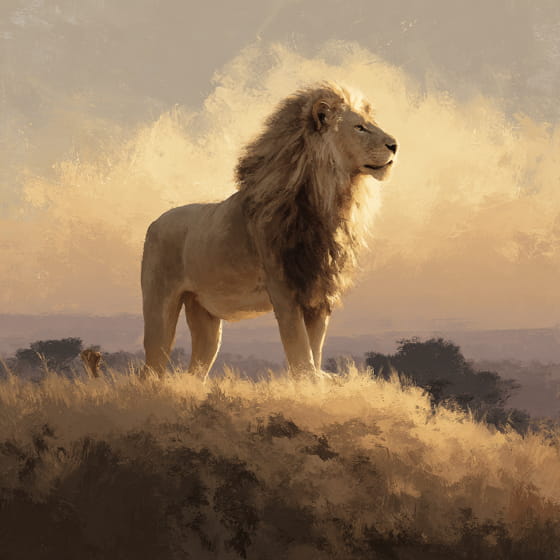
Panthera leo
Benefits from lion kills as a major food source.
Gazella thomsonii
Feeds on carrion from various natural causes.
Social animals live in organized groups, cooperating for survival benefits such as foraging, defense, and raising offspring.
Colorful describes organisms or objects displaying a wide range of bright and distinct colors.
Grassland habitats are terrestrial biomes dominated by grasses and herbaceous plants, supporting a variety of grazing animals.
This trait identifies organisms whose diet consists entirely or primarily of animal tissue.

Diurnal animals are primarily active during daylight hours, typically resting or sleeping at night.
Danger
1/5 · Very low
Always observe wild animals from a distance.
The easiest way to identify Lappet-Faced Vulture is to use the Snappit nature identifier app.
95-115 cm
250-290 cm
4.4-9.4 kg
20-30 years
60 km/h
These powerful vultures eat mostly dead animals, tearing through tough hides that other scavengers can't.
Savannas and open grasslands in Africa.
Zoom in to split clusters and explore where this object has been snapped.
Recent snaps will appear here as new observations are added.
Take the discovery with you
Snap it with Snappit to identify it, learn what makes it special, and add the discovery to your collection.




.jpg&width=800)








