





Blue Orchard Bee
Osmia lignaria
The Blue Orchard Bee is a small, friendly bee that loves to visit flowers. They help plants grow by spreading pollen, making them super important for our gardens and farms!
Habitat: Urban areas, Gardens
The Blue Orchard Bee has a metallic, iridescent blue-black body covered in pale hairs. Its shiny, slightly plump appearance and small size make it easily distinguishable from common honeybees, which are typically golden-brown.
Category
InsectsRarity
Common
Danger
1/5 · Very low
Snaps
2
Each female builds her own nursery of mud or hollow stems for her babies.
Female Blue Orchard Bees carry pollen dry under their belly, not in leg baskets!
Males emerge from their nests first, often waiting for the females to hatch out!
They don't make honey, but they are champion pollinators for spring fruits!
Blue Orchard Bees can pollinate many fruit trees and flowers very efficiently because they carry pollen dry, helping more plants grow.
The female Blue Orchard Bee can build tough, protective nest cells using mud and plant materials that shelter her young.
Blue Orchard Bees have a strong body that allows them to forage for pollen and nectar even in cooler spring temperatures.
Blue Orchard Bees drink nectar for energy and gather pollen to feed their developing young.
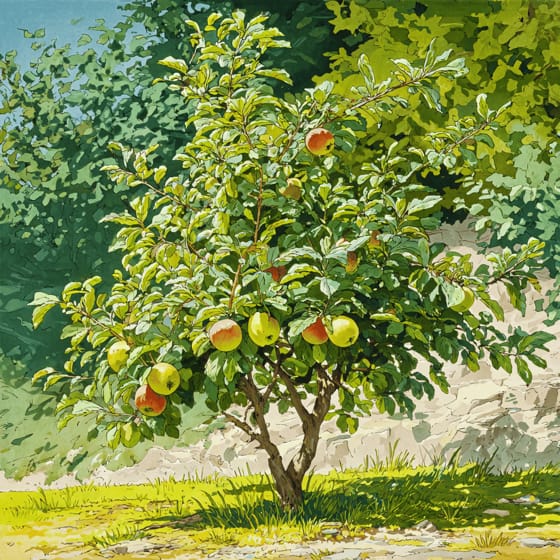
Malus domestica
vital for apple production
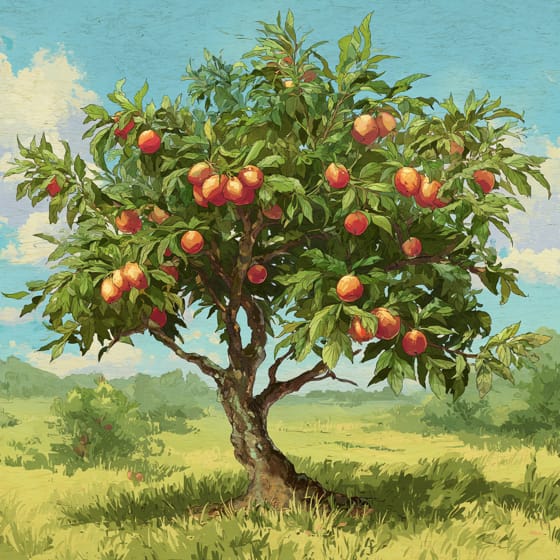
Prunus persica
helps peaches ripen
Vaccinium corymbosum
essential for blueberry harvests
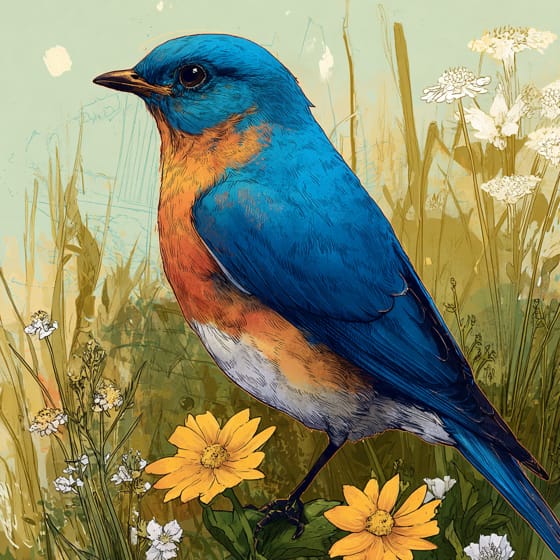
Sialia sialis
bluebirds might prey on adults
Furry describes animals possessing a dense covering of soft hair or fur.
Solitary animals live alone for most of their lives, only interacting with others for mating or parental care.
Colorful describes organisms or objects displaying a wide range of bright and distinct colors.
This trait characterizes organisms whose diet consists entirely or primarily of plant material.

Describes plants that are particularly attractive and beneficial to a wide range of pollinating organisms.

Diurnal animals are primarily active during daylight hours, typically resting or sleeping at night.

Describes a species whose presence and role have a disproportionately large effect on its environment.

This habitat trait indicates species that can coexist with humans in urban and suburban environments, utilizing man-made structures and green spaces.

Describes organisms that transfer pollen, enabling the fertilization and reproduction of plants.
No aliases listed yet.
Danger
1/5 · Very low
Bees are usually friendly, but it's best to watch them from a distance.
The easiest way to identify Blue Orchard Bee is to use the Snappit nature identifier app.
15-20 mm
8-12 mm
20-40 days
15 km/h
Blue Orchard Bees drink nectar for energy and gather pollen to feed their developing young.
Urban areas, Gardens
Foraging
Zoom in to split clusters and explore where this object has been snapped.
Take the discovery with you
Snap it with Snappit to identify it, learn what makes it special, and add the discovery to your collection.







.jpg&width=800)


