





Duck

Discover a tranquil escape at Martha Springer Botanical Garden.
Discover a tranquil escape at Martha Springer Botanical Garden.
This charming 1-acre botanical garden, nestled on the Willamette University campus in Salem, Oregon, offers a serene natural retreat often referred to as a "secret garden." Divided into twelve distinct smaller gardens, it provides a peaceful oasis for contemplation and a delightful journey through diverse plant collections. Visitors can explore a rich tapestry of flora, many native to Oregon, while enjoying the soothing presence of the Mill Race stream that flows alongside.
Among its unique offerings are a vibrant Butterfly Garden designed to attract pollinators, an aromatic Herb Garden, a rugged Alpine Rock Garden, and educational Ethnobotany Gardens that highlight the human-plant relationship. The garden also features English perennial plantings, various rose varieties, and a Fuller Japanese Garden demonstrating traditional garden art. Post-revitalization, new elements like a bee hotel and banana plants add to its appeal, promising fresh discoveries with each visit.
The Martha Springer Botanical Garden is a testament to natural beauty and educational enrichment, perfect for those seeking quiet reflection, botanical inspiration, or a picturesque stroll. Its free admission and accessible location make it an inviting destination for students and the public alike, providing a memorable connection with nature in the heart of Salem. Turn your visit into a safari! Use the Snappit app to scan and log wildlife sightings here.
The Martha Springer Botanical Garden was dedicated in 1988, honoring Professor Martha Springer, a beloved biologist at Willamette University. The garden was conceived as an educational space for students and the community, with Elaine Joines serving as its first curator. Over the years, the garden became a cherished "secret garden" on campus. However, it faced challenges, including significant damage from a large ice storm in 2021 and becoming overgrown during the COVID-19 pandemic. Recognizing its importance, a revitalization project was undertaken and completed this year (2025), aiming to restore its beauty, enhance its educational features, and incorporate new elements like sustainability goals, a bee hotel, and banana plants, ensuring its continued role as a vibrant community and learning space.
Stroll along the paths, find a quiet bench for reflection, observe pollinators like bees and butterflies, identify native Oregon plants, and admire the rock fountain and artificial waterfall. Look for ducks in the Mill Race and listen for birdsong.
Spring (April-May): Peak bloom for many flowers, including Meadowfoam and Lewisia. Good for observing early pollinators and spring foliage.
Summer (June-July): Abundant flowers, including Lagerstroemia (crape myrtle), Dahlias, and Sunflowers, attracting butterflies and hummingbirds.
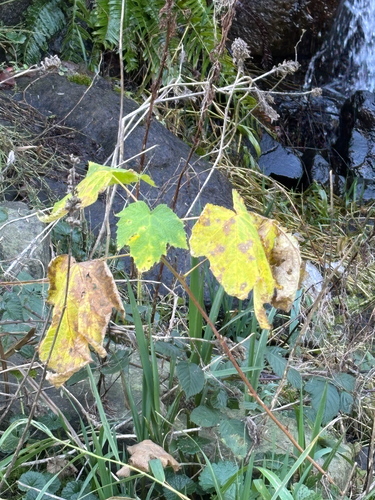
Fall (September-October): Enjoy autumn foliage and late-season blooms.
Winter: Provides a quiet, green space for contemplation, though fewer flowers are in bloom.
While specific accessibility details for the garden itself are limited, it is part of the Willamette University campus. The garden features benches for resting. The recent revitalization project included "adding more seating in the gardens" and repairing water features, suggesting improvements to the visitor experience.
A colorful display designed to attract and support local butterfly populations.
Features a wide array of plants indigenous to the state, such as Sword ferns, Vine Maple, and Showy Milkweed.
Explore a collection of plants traditionally used for culinary, medicinal, or aromatic purposes.
Showcases plants adapted to rocky, mountainous environments.
Each card links to a full Explore page with photos, traits, and fun facts.
Start with the big picture, then zoom in to explore individual wildlife observations around this place.
Seek out the "secret" entrance
The garden is known as a "secret garden" and is tucked away behind campus buildings, so look for it specifically behind the Sparks Recreation Center on the Willamette University campus.
Bring your camera
With diverse plant collections, the Mill Race, and various garden features, it's a very picturesque spot for photography.
Visit multiple times a year
The garden's flora changes with the seasons, offering a different experience in spring, summer, and fall.
Look for wildlife
Keep an eye out for butterflies, bees, hummingbirds, and ducks in the Mill Race, especially in warmer months.
Allow for quiet contemplation
Benches are provided throughout the garden, making it an ideal spot for peaceful reflection or reading.
Combine with a campus stroll
Since it's on the Willamette University campus, consider exploring the wider campus grounds and other nearby features like the Japanese Zen Garden (which is close by, possibly part of the Fuller Japanese Garden mentioned in context of Martha Springer).
Jan 23, 2026
Photo attribution
(c) Aden Sommerville, some rights reserved (CC BY)
License: CC BY 4.0 ↗
Image may be shown cropped inside the card frame.
May 6, 2026
May 6, 2026
May 6, 2026
May 6, 2026

Maryland, US
You might spot White-Tailed Deer and Eastern Gray Squirrel.
View guide →
.jpg)
District of Columbia, US
You might spot Eastern Gray Squirrel, Duck, and House Sparrow.
View guide →

Illinois, US
You might spot American Robin, Canada Goose, and House Sparrow.
View guide →

Virginia, US
You might spot Spotted Lanternfly and Northern Cardinal.
View guide →
Take the discovery with you
Identify the wildlife you spot, learn as you go, and keep a collection of the adventure.



















.jpg&width=800)





