





Bocage's Wall Lizard
Podarcis bocagei
Bocage's Wall Lizard is a small, colorful lizard that loves to bask in the sun. You can find them on rocks and walls, where they like to hide and play.
Habitat: Urban areas
The Bocage's Wall Lizard is a slender reptile with a brownish or greenish back, often marked with dark spots or stripes. Its belly is usually pale, sometimes yellow or reddish in males, and it has distinct dark markings on its flanks.
Category
ReptilesRarity
Common
Danger
1/5 · Very low
Snaps
Be the first to snap!
A lost tail can sometimes regrow, though it might look a bit different!
Some male Bocage's Wall Lizards have bright orange or red bellies!
They can wiggle into tiny cracks to hide from danger!
They perform 'push-ups' to show off and communicate with other lizards.
Bocage's Wall Lizard can shed its tail when grabbed, which helps them escape predators by leaving a wriggling distraction.
Bocage's Wall Lizard has excellent vision that helps them spot tiny insects from a distance and hunt them effectively.
Bocage's Wall Lizard has tiny claws and pads that help them cling to vertical walls and rocks to sunbathe or hunt.
These quick lizards mostly munch on various insects and small invertebrates, helping to control pest populations.
Falco tinnunculus
A common bird of prey that hunts small lizards.
Malpolon monspessulanus
A large snake native to the region that preys on lizards.
Formica rufa
A common insect often found in the lizard's habitat.
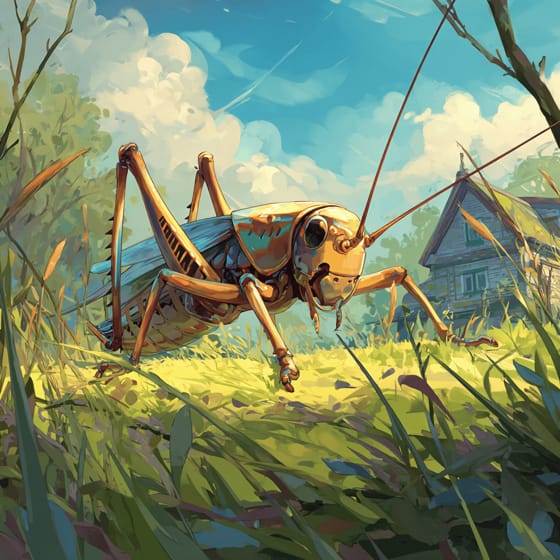
Acheta domesticus
These lizards actively hunt and consume various types of crickets.
Solitary animals live alone for most of their lives, only interacting with others for mating or parental care.
Camouflaged describes organisms that possess coloring or patterns that allow them to blend into their environment.
Colorful describes organisms or objects displaying a wide range of bright and distinct colors.
This trait identifies organisms whose diet primarily consists of insects and other small invertebrates.

Diurnal animals are primarily active during daylight hours, typically resting or sleeping at night.

This trait identifies organisms that exhibit exceptional swiftness in movement for hunting, escape, or travel.

This habitat trait indicates species that can coexist with humans in urban and suburban environments, utilizing man-made structures and green spaces.
No aliases listed yet.
Danger
1/5 · Very low
Always watch lizards from a distance and don't try to catch them.
The easiest way to identify Bocage's Wall Lizard is to use the Snappit nature identifier app.
15-20 cm
0.005-0.015 kg
3-5 years
12 km/h
These quick lizards mostly munch on various insects and small invertebrates, helping to control pest populations.
Urban areas
Foraging
Zoom in to split clusters and explore where this object has been snapped.
Recent snaps will appear here as new observations are added.
Take the discovery with you
Snap it with Snappit to identify it, learn what makes it special, and add the discovery to your collection.













