





bog cranberry
Vaccinium oxycoccos
The bog cranberry is a small, red fruit that grows in wet, marshy areas. It's tart and delicious, perfect for making jams and sauces!
Habitat: Wetlands
The bog cranberry is a delicate, low-growing vine with slender, trailing stems. It has tiny, leathery, dark green leaves and unique pink flowers with petals folded back, resembling a tiny bird's head. Its small, round berries ripen to a vibrant red.
Category
PlantsRarity
Common
Danger
1/5 · Very low
Snaps
1
Ancient cultures used cranberry juice to create vibrant red dyes for coloring fabrics and baskets.
Bog cranberries are super sour, but they actually taste sweeter after the first frost of autumn!
Some bog cranberry vines can live for hundreds of years, slowly spreading across their boggy homes!
The plant's scientific name means 'marsh red-berry', and its flowers look like a tiny crane's head!
Bog cranberry can thrive in highly acidic, nutrient-poor bogs where most plants cannot, thanks to specialized root adaptations.
This hardy plant can survive harsh subarctic winters, often staying green and alive even when buried under snow and ice.
Bog cranberry has tiny, thick, waxy leaves that help it conserve water and protect against strong winds in exposed bog environments.
Its long, creeping stems grow close to the ground, allowing it to spread widely and anchor itself firmly in soft, mossy terrain.
Ursus americanus
eats ripe, tart berries
Bombus terrestris
visits flowers for nectar
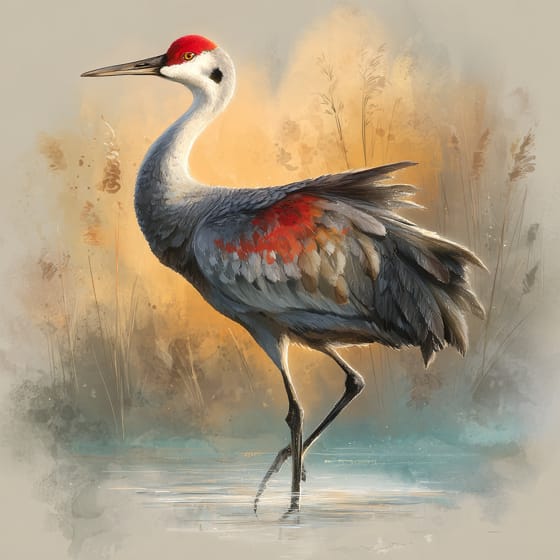
Grus canadensis
forages for fallen berries
Sphagnum magellanicum
grows on acidic moss beds
A shrub is a woody plant smaller than a tree, typically with multiple stems branching from or near the ground.
Fruit-bearing plants produce fruits, which are the mature ovaries of flowering plants containing seeds.
Medicinal plants possess chemical compounds that can be used for therapeutic purposes to treat illnesses or maintain health.
A fruit tree is a perennial tree that produces fruit, which is edible to humans or animals.

Edible plants are those parts of a plant that are considered safe for human consumption.

Fall color refers to the seasonal change in foliage pigmentation, primarily in deciduous plants, displaying vibrant hues.

This habitat trait identifies species found in wetlands, which are areas of land saturated with water, either permanently or seasonally, including marshes, swamps, and bogs.
No aliases listed yet.
Danger
1/5 · Very low
Always ask an adult before picking or eating wild berries.
The easiest way to identify bog cranberry is to use the Snappit nature identifier app.
5-20 cm
50-100 cm
0.5-1 cm
Late spring to early summer
Yes
None
Perennial
Zoom in to split clusters and explore where this object has been snapped.
Take the discovery with you
Snap it with Snappit to identify it, learn what makes it special, and add the discovery to your collection.










.jpg&width=800)



_001.jpg&width=800)



