





Large-leaved Avens
Geum macrophyllum
Large-leaved Avens is a beautiful plant with big, green leaves and lovely yellow flowers. It grows in cool, shady places and adds a splash of color to the forest floor.
Habitat: Forests
The Large-leaved Avens has striking, deeply lobed basal leaves that can be quite big, growing close to the ground. Its bright yellow, five-petaled flowers are borne on tall, slender stems above the foliage, creating a cheerful display.
Category
PlantsRarity
Common
Danger
1/5 · Very low
Snaps
3
Baby deer and elk love to nibble on its fresh, young leaves.
Early settlers sometimes used its roots to flavor a type of beer.
Its roots can smell like cloves or wintergreen when crushed!
This tough plant can even grow high up in mountain meadows!
Large-leaved Avens has tiny, hooked seeds that attach to animal fur, helping it spread far and wide to new locations.
Large-leaved Avens can spread underground using rhizomes, allowing it to form dense patches and colonize areas.
Large-leaved Avens has large leaves to efficiently capture sunlight in shaded forest understories, maximizing energy production.
Bombus bifarius
Collects nectar and pollen
Apis mellifera
Visits flowers for resources
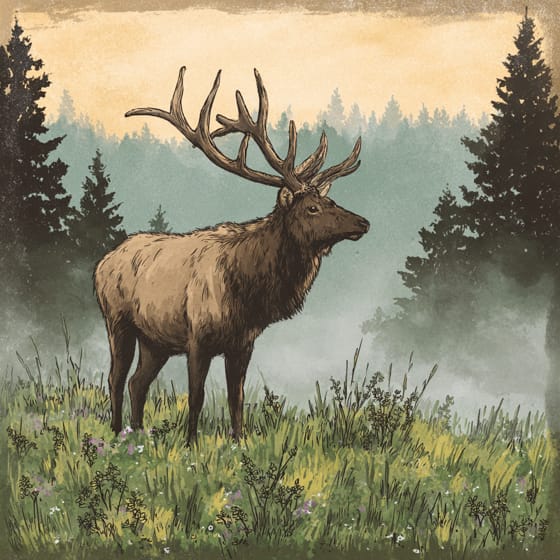
Cervus canadensis
Browses on leaves and stems
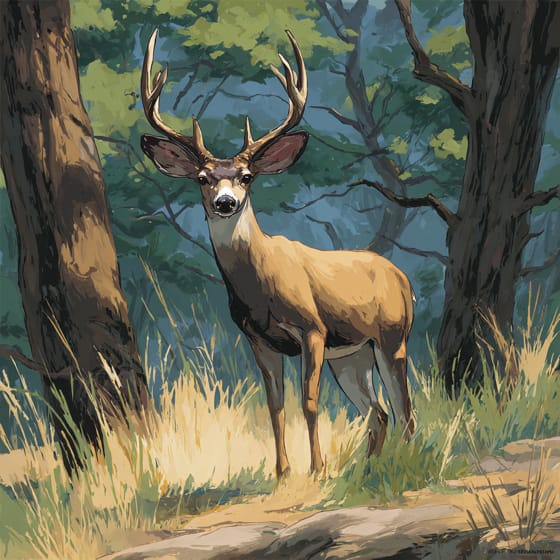
Odocoileus hemionus
Feeds on foliage
Flowering plants are any plants that produce flowers as part of their reproductive cycle.
Shade tolerant plants are adapted to grow and thrive in areas with low light levels, requiring less direct sunlight.
Spring blooming plants produce their flowers during the spring season, often signifying the end of winter and the start of new growth.
Medicinal plants possess chemical compounds that can be used for therapeutic purposes to treat illnesses or maintain health.

Edible plants are those parts of a plant that are considered safe for human consumption.

Describes plants that are particularly attractive and beneficial to a wide range of pollinating organisms.

Forest habitats are terrestrial environments dominated by dense tree cover, supporting a high diversity of plant and animal life.

This habitat trait identifies species found in wetlands, which are areas of land saturated with water, either permanently or seasonally, including marshes, swamps, and bogs.
No aliases listed yet.
Danger
1/5 · Very low
Always look but don't touch plants unless you know they are safe.
The easiest way to identify Large-leaved Avens is to use the Snappit nature identifier app.
30-90 cm
30-60 cm
1-2 cm
Late spring to mid-summer
Yes
None
Perennial
Zoom in to split clusters and explore where this object has been snapped.

Washington, US
You might spot Pacific Banana Slug and Oregon Forestsnail.
View guide →

Washington, US
You might spot Rock Pigeon, American Crow, and Pigeon Guillemot.
View guide →

US
You might spot Variable Carpet Moth, Bald Eagle, and Red Huckleberry.
View guide →

Washington, US
You might spot Rock Pigeon, Pigeon Guillemot, and American Crow.
View guide →

Washington, US
You might spot Tiger, Ring-Tailed Lemur, and Caribou.
View guide →
Take the discovery with you
Snap it with Snappit to identify it, learn what makes it special, and add the discovery to your collection.







.jpg&width=800)



_001.jpg&width=800)


