


Eastern White Pine

Black Tern Bog State Natural Area showcases a pristine quaking bog and rare northern plants.
Black Tern Bog State Natural Area showcases a pristine quaking bog and rare northern plants. This remarkable 20-acre protected wetland in Vilas County is centered around two small seepage lakes within a pitted outwash plain, preserving a fragile ecosystem rich in biodiversity. Its designation as State Natural Area No. 49 highlights its ecological significance, providing a crucial habitat for specialized flora and nesting birds, including the state-endangered Black Tern.
The bog is a living laboratory of unique plant life, featuring fascinating carnivorous species like the vibrant Pitcher Plant, Sundew, and Bladderwort, which thrive in its nutrient-poor environment. Visitors can also discover a variety of bog orchids such as the rare Swamp Pink, Rose Pogonia, and Grass Pink, alongside characteristic bog flora like Bog-laurel, Bog-rosemary, and Leather-leaf. The landscape is dotted with Dwarf White Pine and Black Spruce, creating a distinct Northwoods atmosphere. Birdwatchers will be delighted by the presence of nesting species such as the graceful Black Tern, American Bittern, Killdeer, and Mallards, making it a prime spot for avian observation.
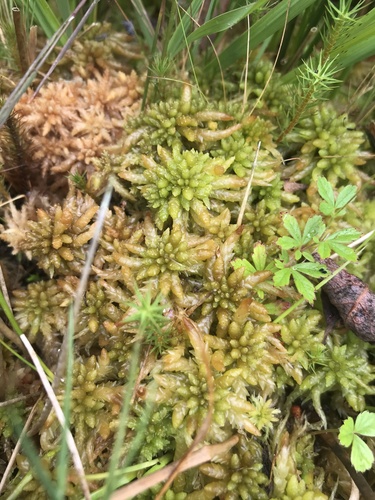
A visit to Black Tern Bog is an immersive experience into a specialized natural world, perfect for those seeking solitude and a deep connection with nature. Its "quaking" sphagnum mat, which trembles underfoot, offers a unique geological and botanical encounter. The area provides an unparalleled opportunity for photography, botany, and birdwatching, allowing enthusiasts to document its rare inhabitants and the serene beauty of a northern Wisconsin bog. It's a memorable destination for anyone eager to explore a unique and ecologically vital landscape. Turn your visit into a safari! Use the Snappit app to scan and log wildlife sightings here.
Black Tern Bog State Natural Area was officially designated as State Natural Area No. 49 in 1967. This designation by the Wisconsin Department of Natural Resources (DNR) was established to protect the area's outstanding flora and unique ecological features, ensuring the preservation of this significant northern bog ecosystem for research, education, and public appreciation.
Birdwatching: Look for Black Terns skimming over the water, along with American Bitterns, Killdeer, and other waterfowl and songbirds.
* **Botany: ** Observe and photograph the unique bog plants, especially the carnivorous species and rare orchids.
* **Hiking: ** Explore the undesignated footpaths, but be prepared for rugged, wet terrain.
* **Photography: ** Capture the distinctive landscapes and close-ups of specialized bog flora and fauna.
Spring/Early Summer: Peak bloom for many bog plants and arrival/nesting of migratory birds like the Black Tern.
Summer: Lush vegetation; be prepared for insects.
Fall: Fall foliage in surrounding hardwoods; fewer birds.
Winter: Access may be challenging due to unplowed parking and trails.
Black Tern Bog State Natural Area has very few public facilities. There are typically no developed trails, and footpaths are undesignated, meaning it is generally not suitable for wheelchairs or strollers. Rubber boots are recommended due to wet and potentially unstable bog conditions.
The quaking sphagnum bog itself, the diverse collection of carnivorous plants (Pitcher Plant, Sundew, Bladderwort), rare bog orchids (Swamp Pink, Rose Pogonia, Grass Pink), and the opportunity to spot the endangered Black Tern.
Each card links to a full Explore page with photos, traits, and fun facts.
Start with the big picture, then zoom in to explore individual wildlife observations around this place.
Wear appropriate footwear
Rubber boots are highly recommended due to the wet, spongy nature of the bog.
Navigate carefully
As trails are often undesignated, consider bringing a compass or GPS unit for exploration, especially in larger or less familiar areas.
Respect nature
Collecting plants, animals, rocks, or other natural materials is prohibited to protect the fragile ecosystem.
Practice Leave No Trace
Carry out everything you carry in, and stay on designated paths where possible to minimize impact.
Observe from a distance
Use binoculars for birdwatching and telephoto lenses for photography to avoid disturbing wildlife, especially nesting birds.
Be prepared for insects
Bogs are prone to mosquitoes and other biting insects, especially during warmer months, so insect repellent is advisable.
May 15, 2026
Photo attribution
(c) Brandon Corder, some rights reserved (CC BY)
License: CC BY 4.0 ↗
Image may be shown cropped inside the card frame.
May 15, 2026
Photo attribution
(c) Brandon Corder, some rights reserved (CC BY)
License: CC BY 4.0 ↗
Image may be shown cropped inside the card frame.
Aug 26, 2025
Aug 26, 2025
Aug 26, 2025

Maryland, US
You might spot White-Tailed Deer and Eastern Gray Squirrel.
View guide →
.jpg)
District of Columbia, US
You might spot Eastern Gray Squirrel, Duck, and House Sparrow.
View guide →

Illinois, US
You might spot American Robin, Canada Goose, and House Sparrow.
View guide →

Virginia, US
You might spot Spotted Lanternfly and Northern Cardinal.
View guide →
Take the discovery with you
Identify the wildlife you spot, learn as you go, and keep a collection of the adventure.