





Bog turtle
Glyptemys muhlenbergii
The Bog turtle is a tiny turtle that loves to live in wet, muddy places. They have beautiful orange and yellow markings on their shells, making them look very special!
Habitat: Wetlands
The Bog turtle is a small reptile with a dark brown or black domed shell that often has faint yellow or orange streaks. It has a distinctive bright orange or yellow patch on each side of its head behind the eye, making it easily recognizable. Its underside is typically dark brown with lighter yellow centers on the scutes.
Category
ReptilesRarity
Rare
Danger
1/5 · Very low
Snaps
Be the first to snap!
A single female bog turtle might only lay 1 to 6 eggs each year!
Bog turtles are one of North America's smallest and most critically endangered turtles!
These shy turtles love to splash around in muddy, sunny bogs and fens!
They have bright orange or yellow patches on their necks, like tiny painted masks!
Bog turtle can disappear into soft mud because of its dark shell and small size, helping it hide from predators.
Bog turtle can burrow into mud because it helps them regulate body temperature and safely hibernate through winter.
Bog turtle has a flexible diet because it helps them find enough food, eating both plants and small animals in wetlands.
Tiny turtles with a big appetite for small insects, worms, and tasty plant bits.
Chelydra serpentina
Juvenile bog turtles are prey for snapping turtles.
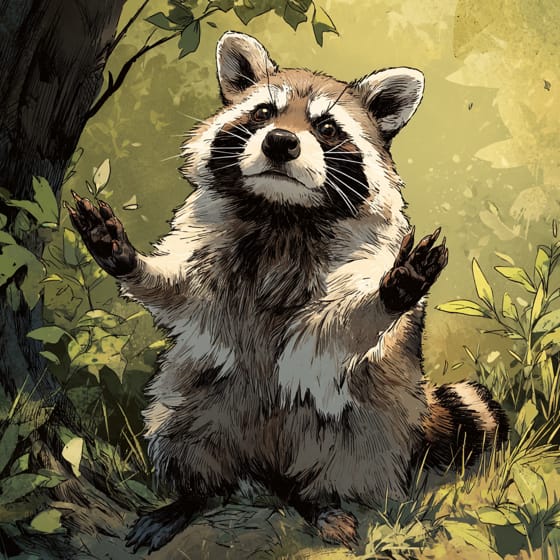
Procyon lotor
Raccoons often raid bog turtle nests for eggs and prey on adults.
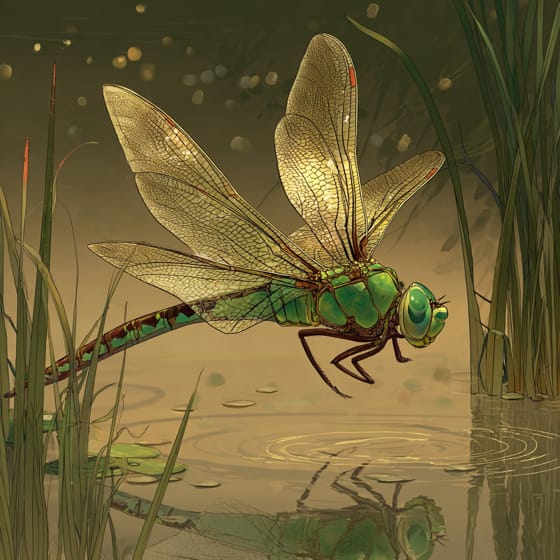
Anax junius
Bog turtles prey on the larvae of this common dragonfly in their ponds.

Vaccinium macrocarpon
Bog turtles may eat the berries of cranberries found in their habitat.

Sphagnum palustre
This moss forms crucial bog habitat and provides shelter from predators.
Solitary animals live alone for most of their lives, only interacting with others for mating or parental care.
Colorful describes organisms or objects displaying a wide range of bright and distinct colors.
This trait identifies organisms whose diet primarily consists of insects and other small invertebrates.
Hibernating animals enter a state of metabolic depression during cold periods or when food is scarce, characterized by reduced body temperature and activity.

This trait characterizes organisms with an exceptionally long lifespan compared to others of their kind.

This habitat trait identifies species found in wetlands, which are areas of land saturated with water, either permanently or seasonally, including marshes, swamps, and bogs.

Describes a species whose presence and role have a disproportionately large effect on its environment.

Pertaining to species that are significantly smaller than typical or average for their kind.

Endangered status indicates a species is at a very high risk of extinction in the wild in the near future.
No aliases listed yet.
Danger
1/5 · Very low
If you see a turtle, watch it from a distance and don't touch it. They need their space!
The easiest way to identify Bog turtle is to use the Snappit nature identifier app.
7.5-11.5 cm
0.06-0.2 kg
30-50 years
0.5 km/h
Tiny turtles with a big appetite for small insects, worms, and tasty plant bits.
0.5 km/h
Wetlands
Zoom in to split clusters and explore where this object has been snapped.
Recent snaps will appear here as new observations are added.
Take the discovery with you
Snap it with Snappit to identify it, learn what makes it special, and add the discovery to your collection.
















