_playing_dead_(14178349634).jpg&width=800)





barred grass snake
Natrix helvetica
The barred grass snake is a friendly snake that loves to swim and bask in the sun. It has beautiful stripes and is often found near water, making it a fun creature to spot in nature!
Habitat: Wetlands
The barred grass snake has a grey-brown to olive-green body with distinct dark bars or spots along its sides. Its most striking feature is a bright yellow and black collar just behind its head, making it unique.
Category
ReptilesRarity
Common
Danger
1/5 · Very low
Snaps
Be the first to snap!
Even though they have 'grass' in their name, they are excellent swimmers and often hunt underwater.
They love composting! Females often lay their eggs inside warm, rotting heaps of leaves and plant material.
When threatened, this snake might hiss very loudly and even pretend to strike, but it rarely bites!
Young barred grass snakes start life eating tiny slugs and worms before growing big enough for frogs!
barred grass snake can act completely dead, even lying upside down, to trick predators into thinking it's not worth eating.
barred grass snake has glands that release a foul-smelling liquid when scared, making predators quickly lose their appetite.
barred grass snake can swim very well and quickly catch fish underwater, thanks to its streamlined body.
They love feasting on amphibians like frogs and newts, plus fish, which they cleverly hunt in water.
Age differences: Young snakes start with smaller prey like tadpoles, slugs, and worms, gradually moving to larger amphibians and fish as they grow.
Rana temporaria
A favorite meal for both young and adult snakes.
Bufo bufo
Often eaten by larger barred grass snakes.
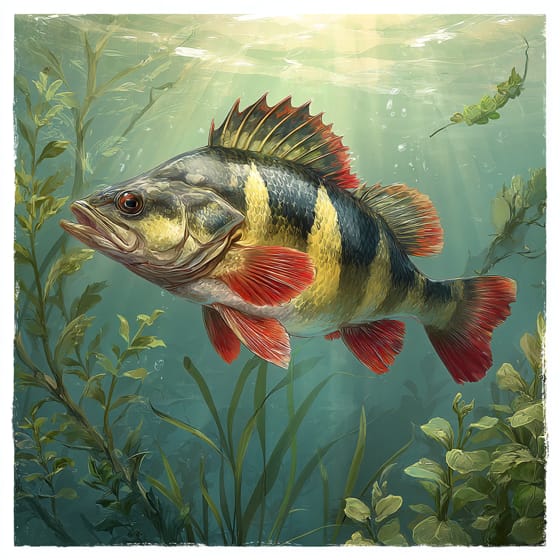
Perca fluviatilis
Skilled underwater hunters catch this fish.
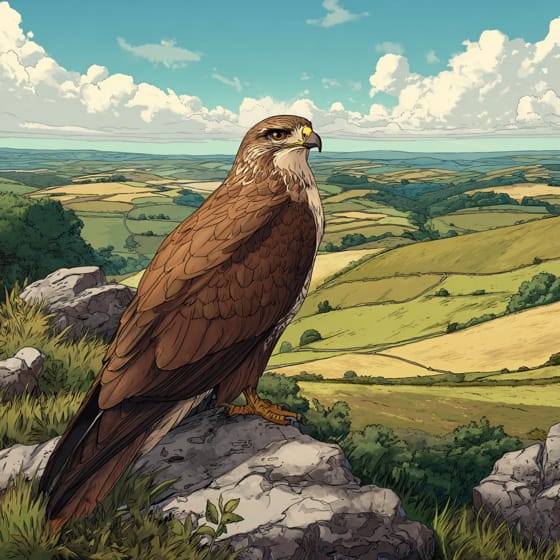
Buteo buteo
These birds of prey are a main predator.

Meles meles
Badgers sometimes hunt snakes in their habitat.
Marked with parallel bands or lines of color.
Solitary animals live alone for most of their lives, only interacting with others for mating or parental care.
Piscivorous organisms are animals that primarily subsist on a diet of fish.
This habitat trait identifies species found in wetlands, which are areas of land saturated with water, either permanently or seasonally, including marshes, swamps, and bogs.

This trait identifies organisms whose diet consists entirely or primarily of animal tissue.

Diurnal animals are primarily active during daylight hours, typically resting or sleeping at night.

Aquatic habitats encompass environments where organisms live predominantly in water, including oceans, rivers, lakes, and wetlands.
No aliases listed yet.
Danger
1/5 · Very low
If you see a snake, it's best to watch from a distance and not touch it.
The easiest way to identify barred grass snake is to use the Snappit nature identifier app.
70-140 cm
0.2-1 kg
10-15 years
8 km/h
They love feasting on amphibians like frogs and newts, plus fish, which they cleverly hunt in water.
2 km/h
Wetlands
Zoom in to split clusters and explore where this object has been snapped.
Recent snaps will appear here as new observations are added.
Take the discovery with you
Snap it with Snappit to identify it, learn what makes it special, and add the discovery to your collection.














