bonnethead
Sphyrna tiburo
The bonnethead is a small shark that looks like a hammerhead but has a rounder head! They swim in warm waters and are known for their playful nature, often seen gliding gracefully through the ocean.
Habitat: Coastal areas
The bonnethead has a distinct, shovel-shaped head, much like a wide spade, making it easily identifiable among sharks. Its body is typically grey-brown on top, fading to a lighter underside, providing camouflage in coastal waters. Unlike other hammerheads, its head is smooth and broadly rounded.
Category
FishRarity
Common
Danger
2/5 · Low
Snaps
Be the first to snap!
Bonnetheads have a surprisingly large brain for their body size, especially for smell and vision!
Female bonnetheads can sometimes have babies all on their own, without a male shark!
Their wide, shovel-like head helps them 'sweep' the ocean floor, flushing out hidden crabs!
These sharks sometimes travel in huge groups, with hundreds of individuals cruising together!
Bonnethead sharks can detect the faint electrical signals of hidden prey thanks to special sensors on their unique head shape.
The bonnethead has widely spaced nostrils that help them pinpoint the direction of smells like food with incredible accuracy.
Bonnetheads have unique enzymes to digest seagrass, helping them get nutrients from plants, which is rare for a shark.
These small sharks primarily eat shellfish, crabs, and some fish, but also surprisingly consume seagrass.
Age differences: Younger bonnetheads eat more small crustaceans, while adults incorporate more seagrass into their diet.
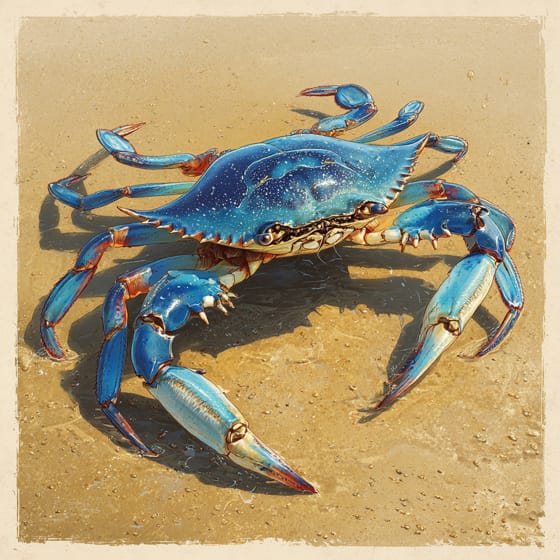
Callinectes sapidus
A primary food source in coastal waters.
Litopenaeus setiferus
A common prey item found on the seafloor.
Thalassia testudinum
Provides plant matter and nutrients to their diet.
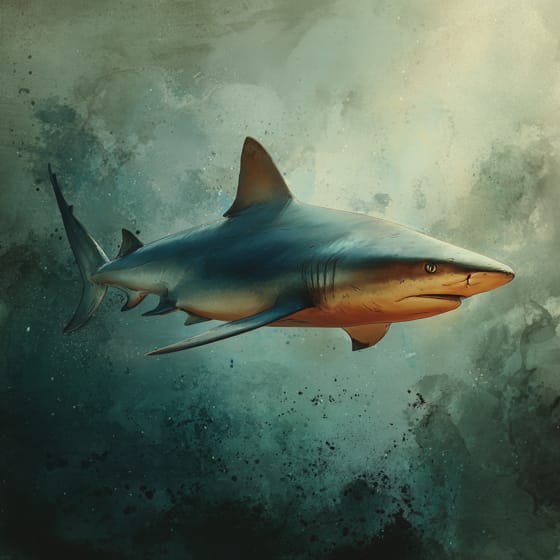
Carcharhinus leucas
Larger predatory shark that can prey on bonnetheads.
Social animals live in organized groups, cooperating for survival benefits such as foraging, defense, and raising offspring.
This trait identifies organisms whose diet includes both plant and animal matter.
This trait characterizes organisms whose diet consists entirely or primarily of plant material.
Piscivorous organisms are animals that primarily subsist on a diet of fish.

Coastal habitats are dynamic environments located along the interface between land and sea, influenced by tides, waves, and saltwater.

This trait identifies organisms whose diet consists entirely or primarily of animal tissue.

Describes a species whose presence and role have a disproportionately large effect on its environment.

Pertaining to species that are significantly smaller than typical or average for their kind.

Marine habitats encompass all saltwater environments of the Earth's oceans, supporting an immense diversity of aquatic life.
Danger
2/5 · Low
Always stay close to an adult when swimming in the ocean and watch for sharks from a safe distance.
The easiest way to identify bonnethead is to use the Snappit nature identifier app.
60-150 cm
2.5-12 kg
5-12 years
These small sharks primarily eat shellfish, crabs, and some fish, but also surprisingly consume seagrass.
15 km/h
Coastal areas
Foraging
Zoom in to split clusters and explore where this object has been snapped.
Recent snaps will appear here as new observations are added.
Take the discovery with you
Snap it with Snappit to identify it, learn what makes it special, and add the discovery to your collection.