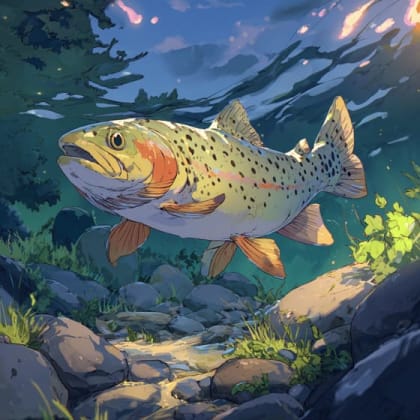
Opsanus beta
Opsanus beta
The Opsanus beta, also known as the Gulf toadfish, is a funny-looking fish that makes silly sounds! It lives in warm waters and loves to hide in the mud and sand.
Habitat: Coastal areas
The Opsanus beta is a mottled brown to olive-green fish with cryptic blotches, allowing it to blend seamlessly with the seafloor. It has a broad, flattened head, a wide mouth, and small skin flaps and fringes on its body, enhancing its camouflage.
Category
FishRarity
Common
Danger
2/5 · Low
Snaps
Be the first to snap!
Male toadfish are super dads; they guard their eggs in nests under rocks and shells!
Their tough teeth can easily crush the shells of crabs and other hard-shelled snacks!
These fish can live in surprisingly murky or polluted water where other fish cannot survive!
They are masters of hiding, often burrowing into soft mud or sand until only their eyes stick out!
Opsanus beta has excellent camouflage that helps them hide from predators and ambush prey on the ocean floor.
Opsanus beta can produce loud, croaking sounds because of special muscles that vibrate its swim bladder to communicate.
Opsanus beta can tolerate low oxygen levels and even survive for short periods out of water that helps them live in harsh habitats.
This fish is an opportunistic hunter, eating crabs, shrimp, and anything else small enough to catch!
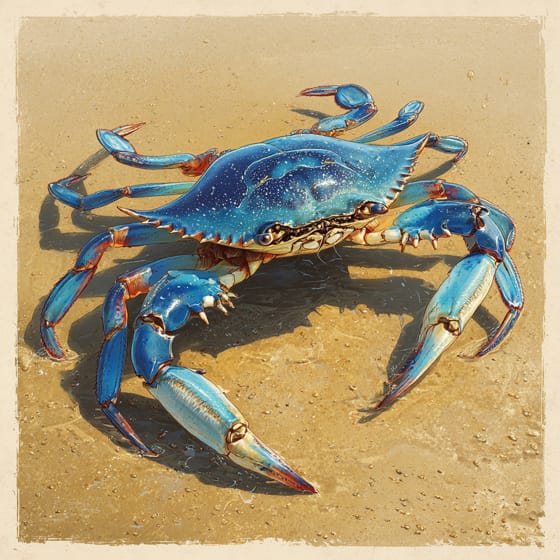
Callinectes sapidus
Opsanus beta preys on blue crabs found on the seafloor.
Litopenaeus setiferus
It ambushes and consumes white shrimp hiding in the sandy substrate.
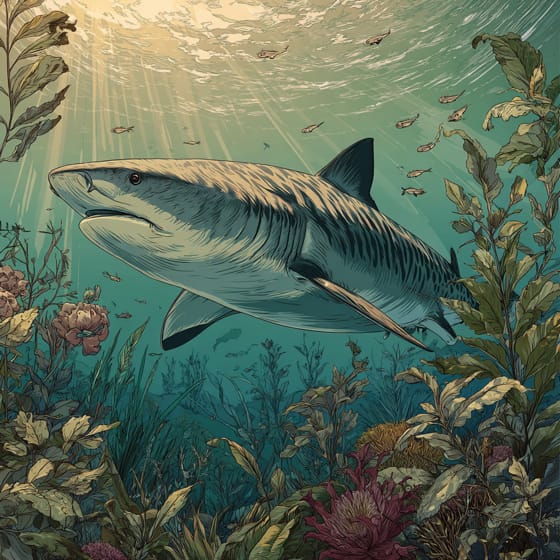
Galeocerdo cuvier
Larger sharks, like the tiger shark, sometimes prey on Gulf toadfish.

Crassostrea virginica
Toadfish often hide and make nests within oyster reefs for protection.
Marked with spots or patches of a different color.
Social animals live in organized groups, cooperating for survival benefits such as foraging, defense, and raising offspring.
Solitary animals live alone for most of their lives, only interacting with others for mating or parental care.
Camouflaged describes organisms that possess coloring or patterns that allow them to blend into their environment.

An ambush predator hunts by patiently waiting and concealing itself, then launching a sudden attack when unsuspecting prey comes within range.

Coastal habitats are dynamic environments located along the interface between land and sea, influenced by tides, waves, and saltwater.

This trait identifies organisms whose diet consists entirely or primarily of animal tissue.

Marine habitats encompass all saltwater environments of the Earth's oceans, supporting an immense diversity of aquatic life.

Nocturnal animals are primarily active during the nighttime hours, typically resting or sleeping during the day.
Danger
2/5 · Low
Always stay close to an adult when near the water and never touch fish without permission.
The easiest way to identify Opsanus beta is to use the Snappit nature identifier app.
15-30 cm
0.2-0.5 kg
3-7 years
This fish is an opportunistic hunter, eating crabs, shrimp, and anything else small enough to catch!
1 km/h
Coastal areas
Ambush
Zoom in to split clusters and explore where this object has been snapped.
Recent snaps will appear here as new observations are added.
Take the discovery with you
Snap it with Snappit to identify it, learn what makes it special, and add the discovery to your collection.