





Bow-winged Grasshopper
Chorthippus biguttulus
The Bow-winged Grasshopper is a small, green insect that loves to jump around in grassy areas. It has unique bow-shaped wings that help it glide through the air, making it a fun little creature to watch!
Habitat: Grasslands
The Bow-winged Grasshopper is typically brown, green, or grey, blending well with vegetation. Males often display darker sides and distinctive bowed (curved) antennae. Its short, broad hindwings in males have a characteristic 'bow' shape, giving it its common name.
Category
InsectsRarity
Common
Danger
1/5 · Very low
Snaps
Be the first to snap!
Grasshopper nymphs, the young, look like tiny adults but don't have full wings yet!
It's named for the curved shape of its male's wing veins, not its antennae!
Male Bow-winged Grasshoppers sing a specific 'song' to attract females for mating!
These amazing insects can hear with special 'ears' located on their abdomen, not their head!
Bow-winged Grasshopper has expert camouflage with mottled brown and green patterns that help them blend perfectly into their grassy habitats.
Bow-winged Grasshopper can produce distinct sounds by rubbing its wings together, which helps them communicate with other grasshoppers for mating.
They munch on grasses and small plants, helping keep meadows tidy!
Turdus merula
Birds often hunt grasshoppers
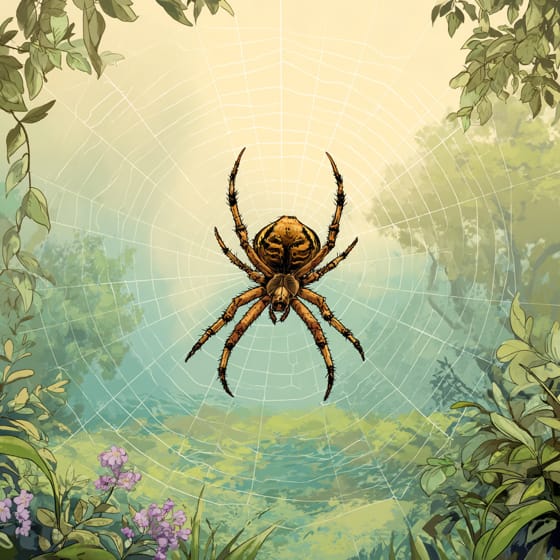
Araneus diadematus
Spiders catch them in their webs
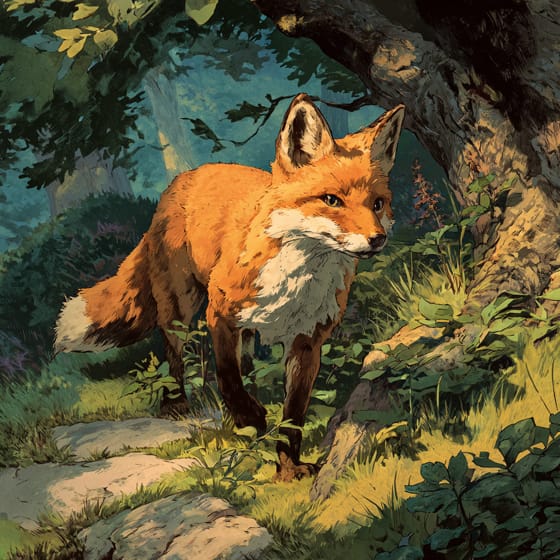
Vulpes vulpes
Small mammals prey on them
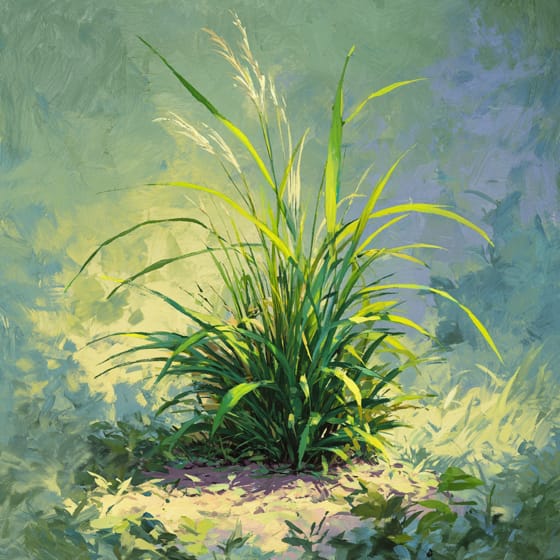
Poa pratensis
A common food source for them
Festuca rubra
They graze on this type of grass
Social animals live in organized groups, cooperating for survival benefits such as foraging, defense, and raising offspring.
Singing animals produce complex vocalizations, often for purposes of attracting mates, defending territory, or communicating within their species.
Camouflaged describes organisms that possess coloring or patterns that allow them to blend into their environment.
Gliding animals move through the air by launching themselves and maintaining flight with specialized body structures, without flapping wings.

Grassland habitats are terrestrial biomes dominated by grasses and herbaceous plants, supporting a variety of grazing animals.

This trait characterizes organisms whose diet consists entirely or primarily of plant material.

Diurnal animals are primarily active during daylight hours, typically resting or sleeping at night.

Pertaining to species that are significantly smaller than typical or average for their kind.

Describes organisms that transfer pollen, enabling the fertilization and reproduction of plants.
No aliases listed yet.
Danger
1/5 · Very low
Grasshoppers are safe to watch, but be gentle if you try to catch one.
The easiest way to identify Bow-winged Grasshopper is to use the Snappit nature identifier app.
11-22 mm
60-90 days
They munch on grasses and small plants, helping keep meadows tidy!
Grasslands
Grazing
6
Zoom in to split clusters and explore where this object has been snapped.
Recent snaps will appear here as new observations are added.
Take the discovery with you
Snap it with Snappit to identify it, learn what makes it special, and add the discovery to your collection.






.jpg&width=800)




