





Box Sucker
Psylla buxi
The Box Sucker is a tiny insect that loves to munch on boxwood plants. They are small and can be found hopping around on leaves, making them fun to spot in gardens.
Habitat: Urban areas
The Box Sucker is a tiny, greenish-yellow insect, somewhat flattened with clear, veined wings held roof-like over its body. It has short, stout antennae and resembles a miniature cicada or leafhopper, visually distinct from flies or moths.
Category
InsectsRarity
Common
Danger
1/5 · Very low
Snaps
Be the first to snap!
Baby Box Suckers make a fluffy white 'wax house' around themselves!
Box Suckers produce sticky 'honeydew' that ants absolutely love to eat!
They look like tiny cicadas, small enough to easily fit on your pinky nail!
When many Box Suckers feed, they can make boxwood leaves curl like spoons!
Box Sucker can drink plant sap using a special straw-like mouthpart that helps them get nutrients directly from boxwood leaves.
Box Sucker can quickly jump surprising distances for its size, which helps them escape from predators or move between leaves.
Box Sucker nymphs can produce white, waxy strands that help them hide and protect their soft bodies from danger.
These tiny insects drink the nutritious sap from boxwood plants using a special straw-like mouthpart.
Buxus sempervirens
Box Suckers feed exclusively on its sap.
Coccinella septempunctata
Ladybug larvae and adults prey on Box Suckers.
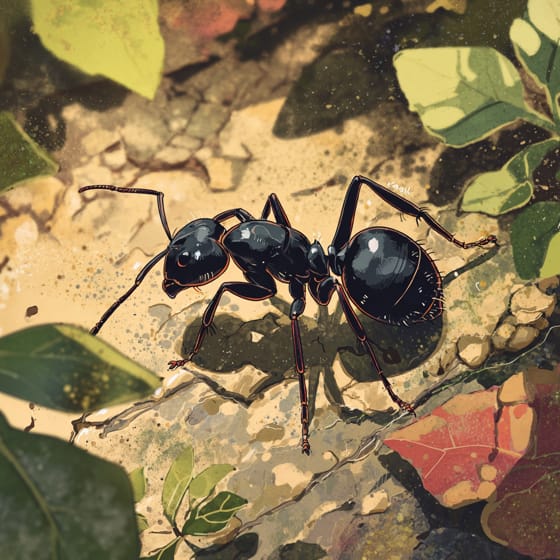
Lasius niger
Ants tend Box Suckers for their sweet honeydew.
Psyllaephagus procerus
Female wasps lay eggs inside Box Sucker nymphs.
Social animals live in organized groups, cooperating for survival benefits such as foraging, defense, and raising offspring.
Camouflaged describes organisms that possess coloring or patterns that allow them to blend into their environment.
This trait characterizes organisms whose diet consists entirely or primarily of plant material.
Diurnal animals are primarily active during daylight hours, typically resting or sleeping at night.

Pertaining to species that are significantly smaller than typical or average for their kind.

This habitat trait indicates species that can coexist with humans in urban and suburban environments, utilizing man-made structures and green spaces.

Describes organisms that transfer pollen, enabling the fertilization and reproduction of plants.
No aliases listed yet.
Danger
1/5 · Very low
It's best to look at insects from a distance and not touch them.
The easiest way to identify Box Sucker is to use the Snappit nature identifier app.
4-6 mm
2-3 mm
30-90 days
0.1-0.5 km/h
These tiny insects drink the nutritious sap from boxwood plants using a special straw-like mouthpart.
Urban areas
Foraging
Zoom in to split clusters and explore where this object has been snapped.
Recent snaps will appear here as new observations are added.
Take the discovery with you
Snap it with Snappit to identify it, learn what makes it special, and add the discovery to your collection.








.jpg&width=800)




