





Tulip-tree Beauty
Epimecis hortaria
The Tulip-tree Beauty is a lovely moth that has beautiful patterns on its wings. It likes to rest on tree trunks and is often found in forests where tulip trees grow.
Habitat: Forests
The Tulip-tree Beauty moth has intricate mottled patterns of grey, brown, and white, perfectly mimicking tree bark. Its broad, triangular forewings, when at rest, blend seamlessly with its woody environment, making it incredibly hard to spot.
Category
InsectsRarity
Common
Danger
1/5 · Very low
Snaps
25
Adult Tulip-tree Beauties often don't eat at all, living solely to lay eggs!
It finds mates by releasing invisible perfume signals called pheromones!
Its amazing camouflage makes it seem to vanish right before your eyes!
This moth's caterpillars can eat over ten times their body weight in leaves daily!
Tulip-tree Beauty has wing patterns that perfectly mimic tree bark, helping them disappear from predators.
Tulip-tree Beauty can fly and navigate in darkness because of its specialized eyes, helping them find food and mates.
Tulip-tree Beauty can completely transform from a leaf-eating caterpillar into a winged moth through metamorphosis.
Caterpillars munch tree leaves; adults sip nectar or may not feed at all.
Age differences: Larvae (caterpillars) eat tree leaves; adults primarily seek nectar or don't feed.
Solitary animals live alone for most of their lives, only interacting with others for mating or parental care.
Camouflaged describes organisms that possess coloring or patterns that allow them to blend into their environment.
This trait characterizes organisms whose diet consists entirely or primarily of plant material.
Forest habitats are terrestrial environments dominated by dense tree cover, supporting a high diversity of plant and animal life.

Nocturnal animals are primarily active during the nighttime hours, typically resting or sleeping during the day.

Describes organisms that transfer pollen, enabling the fertilization and reproduction of plants.
No aliases listed yet.
Danger
1/5 · Very low
Don't touch moths, as they can be delicate and may fly away quickly.
The easiest way to identify Tulip-tree Beauty is to use the Snappit nature identifier app.
40-70 mm
20-30 mm
10-20 days
Caterpillars munch tree leaves; adults sip nectar or may not feed at all.
Forests
Foraging
6
Zoom in to split clusters and explore where this object has been snapped.

Virginia, US
You might spot Eastern Box Turtle and White-Tailed Deer.
View guide →
Connecticut, US
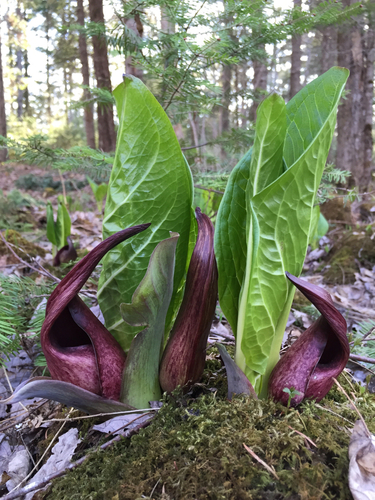
You might spot Eastern Skunk Cabbage and Eastern White Pine.
View guide →

Maryland, US
You might spot Osprey, Duck, and Spotted Lanternfly.
View guide →

Maryland, US
You might spot Duck, American Toad, and Eastern Bluebird.
View guide →

Delaware, US
You might spot American Toad, Eastern Tiger Swallowtail, and Red Fox.
View guide →
Kentucky, US
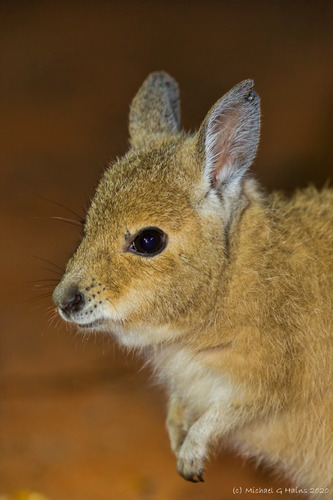
You might spot Kangaroos, Possums, Wombats, and Allies and Emu.
View guide →
Take the discovery with you
Snap it with Snappit to identify it, learn what makes it special, and add the discovery to your collection.








.jpg&width=800)



