





Branded Skippers
Hesperia
Branded Skippers are small butterflies that love to flutter around flowers. They have beautiful patterns on their wings and are often seen in sunny places, making them a delightful sight for nature lovers!
Habitat: Grasslands
The Branded Skipper has a stout, moth-like body and relatively small, triangular wings typically patterned with shades of orange, brown, and dark spots. Males feature a distinct dark 'brand' of scent scales on their forewings. Its antennae are uniquely clubbed with a tiny hook at the tip, setting it apart from true butterflies.
Category
InsectsRarity
Common
Danger
1/5 · Very low
Snaps
Be the first to snap!
Even though they are called butterflies, Branded Skippers have hooked antennae, unlike most other butterflies.
Female Branded Skippers lay their tiny, pearly white eggs one by one on individual grass blades.
Some Branded Skippers can overwinter as caterpillars, hiding under snow until spring.
Their caterpillars build small shelters by rolling leaves together with silk to stay safe.
Branded Skippers can fly with incredibly fast, erratic movements that helps them quickly escape predators.
Branded Skippers have mottled brown and orange patterns that help them blend perfectly into dry grasses and flowers.
Male Branded Skippers possess a special 'brand' on their wings that releases scents to attract a mate.
Adults sip sweet nectar from flowers, while their caterpillars munch on various types of grass.
Age differences: Larvae (caterpillars) eat grass, but adults only drink flower nectar.
Cirsium arvense
Adults sip nectar, helping pollinate these plants.
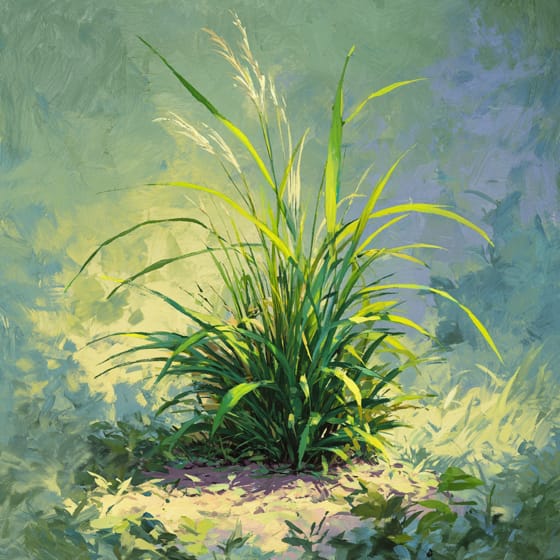
Poa pratensis
Caterpillars feed on the leaves of this common grass species.
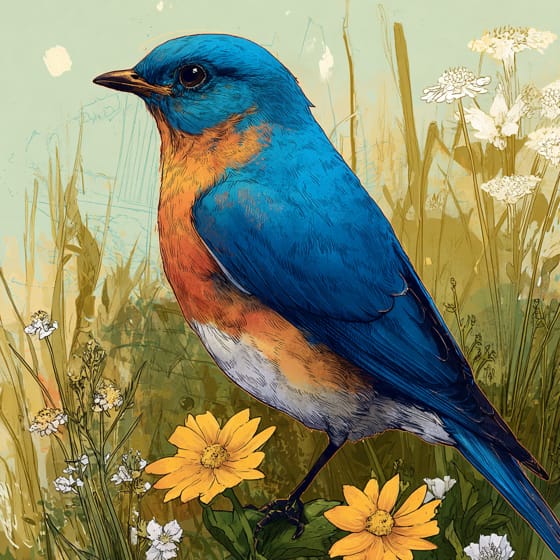
Sialia sialis
Small birds often catch Branded Skippers for food.
Camouflaged describes organisms that possess coloring or patterns that allow them to blend into their environment.
Colorful describes organisms or objects displaying a wide range of bright and distinct colors.
Grassland habitats are terrestrial biomes dominated by grasses and herbaceous plants, supporting a variety of grazing animals.
This trait characterizes organisms whose diet consists entirely or primarily of plant material.

Describes plants that are particularly attractive and beneficial to a wide range of pollinating organisms.

Diurnal animals are primarily active during daylight hours, typically resting or sleeping at night.

This trait identifies organisms that exhibit exceptional swiftness in movement for hunting, escape, or travel.

Describes organisms that transfer pollen, enabling the fertilization and reproduction of plants.
No aliases listed yet.
Danger
1/5 · Very low
Always watch butterflies from a distance and don’t try to catch them.
The easiest way to identify Branded Skippers is to use the Snappit nature identifier app.
25-40 mm
20-35 mm
10-20 days
18 km/h
Adults sip sweet nectar from flowers, while their caterpillars munch on various types of grass.
Grasslands
Foraging
Zoom in to split clusters and explore where this object has been snapped.
Recent snaps will appear here as new observations are added.
Take the discovery with you
Snap it with Snappit to identify it, learn what makes it special, and add the discovery to your collection.






.jpg&width=800)



