





Brittlebush
Encelia farinosa
Brittlebush is a bright yellow flowering plant that loves the sunny desert. Its leaves are soft and fuzzy, helping it stay cool in the hot sun.
Habitat: Desert
The Brittlebush has distinctive silvery-gray, oval leaves covered in fine hairs, contrasting sharply with its bright yellow, daisy-like flowers. Its woody stems are often visible, adding to its striking appearance in arid landscapes.
Category
PlantsRarity
Common
Danger
1/5 · Very low
Snaps
7
Ancient people used its sticky sap like glue or medicine!
It can grow on steep, rocky hillsides where little else survives!
Its name comes from how easily its dry branches snap!
The bright yellow flowers are like sunshine in the desert!
Brittlebush produces a fragrant resin coating its stems, protecting against water loss and deterring herbivores.
Brittlebush seeds only germinate after good rainfall, ensuring they have enough water to grow.
Apis mellifera
collects nectar and pollen
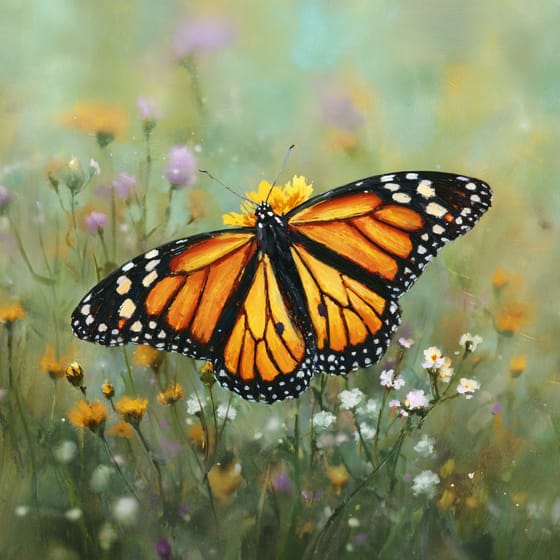
Danaus plexippus
feeds on nectar
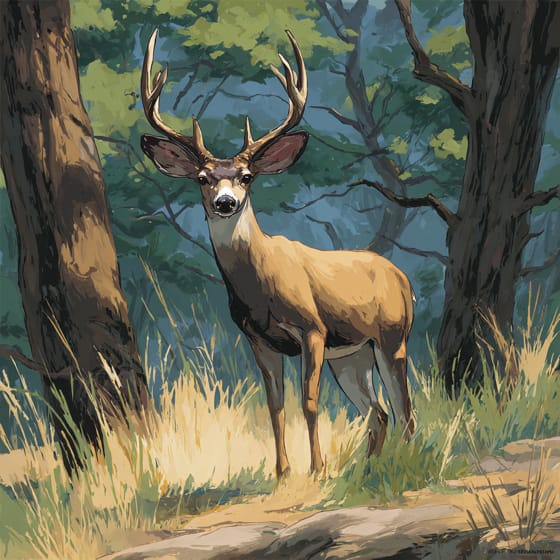
Odocoileus hemionus
browses on leaves and shoots
%2C_M%C3%A4nnchen.jpg&width=800)
Callipepla gambelii
uses for cover and nesting
Flowering plants are any plants that produce flowers as part of their reproductive cycle.
A shrub is a woody plant smaller than a tree, typically with multiple stems branching from or near the ground.
Medicinal plants possess chemical compounds that can be used for therapeutic purposes to treat illnesses or maintain health.
Drought-tolerant plants can survive and flourish in conditions with limited water availability.

Colorful describes organisms or objects displaying a wide range of bright and distinct colors.

Edible plants are those parts of a plant that are considered safe for human consumption.

Describes plants that are particularly attractive and beneficial to a wide range of pollinating organisms.

Desert habitats are arid regions characterized by extremely low precipitation and often extreme temperatures, supporting specialized flora and fauna.

Describes a species whose presence and role have a disproportionately large effect on its environment.
No aliases listed yet.
Danger
1/5 · Very low
Always look but don't touch plants unless you know they are safe.
The easiest way to identify Brittlebush is to use the Snappit nature identifier app.
50-150 cm
50-150 cm
2-3 cm
Late winter to spring
No
None
Perennial
Zoom in to split clusters and explore where this object has been snapped.

California, US
You might spot Western Fence Lizard, Eastern Fox Squirrel, and Duck.
View guide →

Nevada, US
You might spot Creosote Bush, Brittlebush, and Beavertail Pricklypear.
View guide →

Arizona, US
You might spot Stinknet, Eurasian Collared-Dove, and Phoenix Talussnail.
View guide →

Arizona, US
You might spot Saguaro, Fishhook Barrel Cactus, and Desert Spiny Lizard.
View guide →

Arizona, US
You might spot Common Raven, Gambel Oak, and Vulture.
View guide →

California, US
You might spot Creosote Bush, Brittlebush, and Beavertail Pricklypear.
View guide →
Take the discovery with you
Snap it with Snappit to identify it, learn what makes it special, and add the discovery to your collection.








.jpg&width=800)



_001.jpg&width=800)



