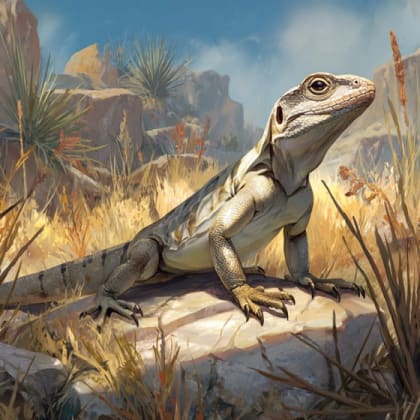
Common Side Blotched Lizard

The Living Desert Zoo and Gardens is a vibrant conservation-focused desert zoo and botanical garden celebrating species from across the globe.
The Living Desert Zoo and Gardens is a vibrant conservation-focused desert zoo and botanical garden celebrating species from across the globe. Nestled near Palm Springs in Palm Desert, California, it offers a unique opportunity to explore desert habitats and encounter diverse wildlife in a beautiful, expansive setting. Consistently ranked among the top zoos in the nation, it's a testament to the resilience of life in arid landscapes.
Spanning 1,200 acres, with 80 developed as zoo and gardens, The Living Desert is home to over 500 animals representing over 150 species, along with an incredible array of over 1,400 species of cacti, yucca, and other desert plants. Visitors can embark on a journey through recreated desert ecosystems, from the Wilds of North America with jaguars and bighorn sheep to the African Safari, where giraffes and cheetahs roam, and the immersive Australian Adventures with wallabies and kookaburras. The naturalistic design of its exhibits provides an immersive experience that feels more like an expedition than a typical zoo visit.
This extraordinary venue is not just about observing animals and plants; it's a living tribute to arid lands and a hub for conservation and education. Visitors can engage with interactive exhibits, participate in animal encounters like feeding giraffes, and learn about vital conservation efforts for endangered species such as the Arabian oryx and peninsular bighorn sheep. The combination of stunning landscapes, diverse wildlife, and a strong educational mission makes a visit to The Living Desert an enriching and memorable experience for all ages. Explore the grounds like a pro—download the Snappit app to instantly identify animals and plants.
The Living Desert Zoo and Gardens has a unique conservation-focused history rooted in preserving the delicate ecology of desert ecosystems. It was established in 1970 by trustees of the Palm Springs Desert Museum, including visionary Philip L. Boyd, who anticipated the impact of resort development on the Coachella Valley's natural habitat. Initially set aside as a 360-acre wilderness preserve, the goal was to create a place where people could learn about and enjoy the desert. Under the leadership of Karen Sausman, a resident naturalist hired in 1970 and later the first President and CEO, The Living Desert evolved into the comprehensive zoo and botanical garden it is today. She envisioned a more ambitious project, expanding the focus beyond local flora and fauna to include species and habitats from deserts worldwide, particularly Africa and the Middle East. Over the years, additional facilities and exhibits were constructed, and the institution became accredited by the Association of Zoos and Aquariums (AZA) in 1983, signifying its commitment to animal welfare and conservation.
Stroll through lush gardens, observe animals in expansive habitats, attend keeper-hosted animal encounters, visit the Petting Kraal, explore the various desert ecosystems, and learn about conservation efforts. Don't miss the Wildlife Wonders show for live animal presentations.
Fall/Winter/Spring (October - May): Cooler temperatures, ideal for walking and seeing active animals. The WildLights Holiday Festival transforms the zoo with millions of lights in winter. Hiking trails are open.
Summer (June - September): Hotter temperatures, with early morning visits recommended. The park opens earlier and closes in the early afternoon. Nocturnal animals are more active in the late afternoon. The Oasis Garden provides a cooler respite.
Spring: Features colorful blooms and the Butterfly Pavilion.
The zoo offers paved paths and is wheelchair and stroller friendly. Wheelchair rentals are available, and there are shaded areas. A shuttle service is available for a fee, which can be helpful for navigating the sprawling complex, especially for families with young children.
Features black rhinos, giraffes, Grévy's zebras, cheetahs, and African wild dogs.
Home to jaguars, Mexican wolves, bighorn sheep, mountain lions, and desert tortoises.
An immersive walk-through habitat where you can see Bennett's wallabies, yellow-footed rock wallabies, emus, and listen to budgerigars and kookaburras.
A four-acre exhibit dedicated to black rhinos and other African animals.
Each card links to a full Explore page with photos, traits, and fun facts.
Start with the big picture, then zoom in to explore individual wildlife observations around this place.
Arrive Early
Animals are most active in the cooler morning hours, and you'll beat the crowds.
Hydrate and Protect from Sun
Bring plenty of water, wear hats, and use sunscreen, especially if visiting during warmer months.
Consider the Shuttle
The park is large, so utilize the shuttle service, especially if you have young children or mobility concerns.
Don't Miss Giraffe Feeding
For an unforgettable experience, participate in the giraffe feeding, often cited as a highlight by visitors.
Explore the Gardens
While the animals are a major draw, dedicate time to exploring the diverse botanical gardens and their impressive desert plant collections.
Check for Seasonal Events
The Living Desert hosts various special events throughout the year, such as WildLights in winter and the Butterfly Pavilion in spring, which can enhance your visit.
Jun 6, 2026
Jun 4, 2026
Jun 4, 2026
Jun 3, 2026
Jun 3, 2026

Maryland, US
You might spot White-Tailed Deer and Eastern Gray Squirrel.
View guide →
.jpg)
District of Columbia, US
You might spot Eastern Gray Squirrel, Duck, and House Sparrow.
View guide →

Illinois, US
You might spot American Robin, Canada Goose, and House Sparrow.
View guide →

Virginia, US
You might spot Spotted Lanternfly and Northern Cardinal.
View guide →
Take the discovery with you
Identify the wildlife you spot, learn as you go, and keep a collection of the adventure.










.jpg&width=800)